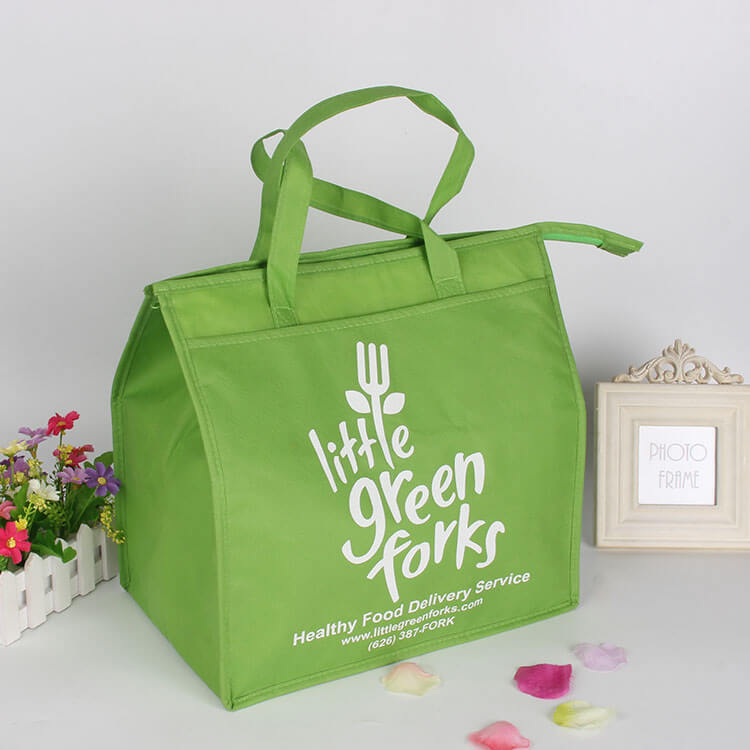
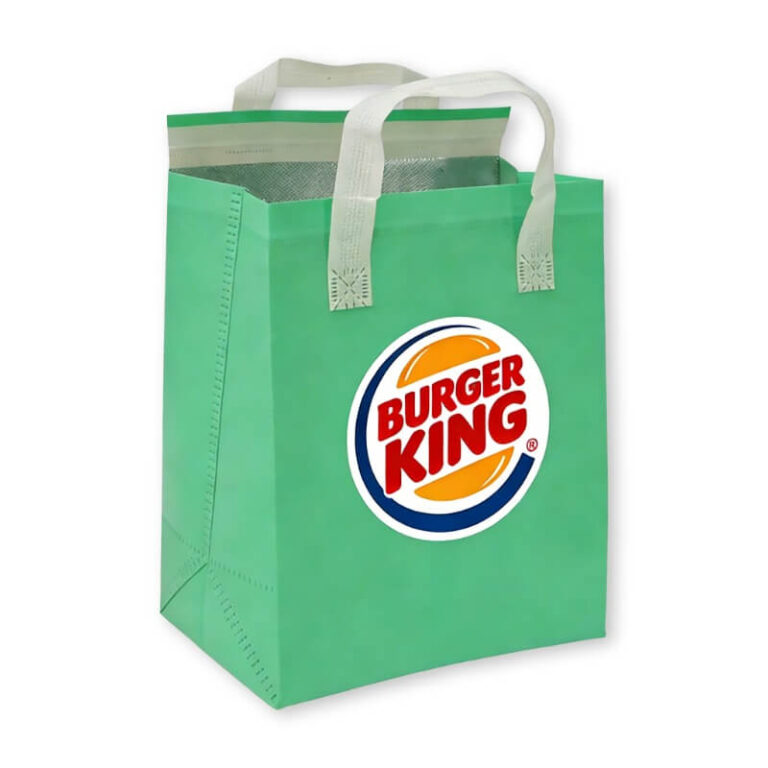
Let’s address the elephant in the room. When you propose an order for custom promotional bags, someone, somewhere, is going to ask: “What’s the ROI?” Unlike a digital ad campaign with precise click-through rates, the return on a physical item like a bag can feel intangible. This challenge often leaves marketers and procurement managers struggling to justify the budget.
However, dismissing promotional bags as mere “swag” underestimates their strategic power. The key is to shift from seeking a single, simplistic dollar-for-dollar return to measuring their impact as a multifaceted branding investment. A well-made bag isn’t an expense; it’s a durable marketing asset. Here’s a practical framework to measure the real ROI of your promotional bags.

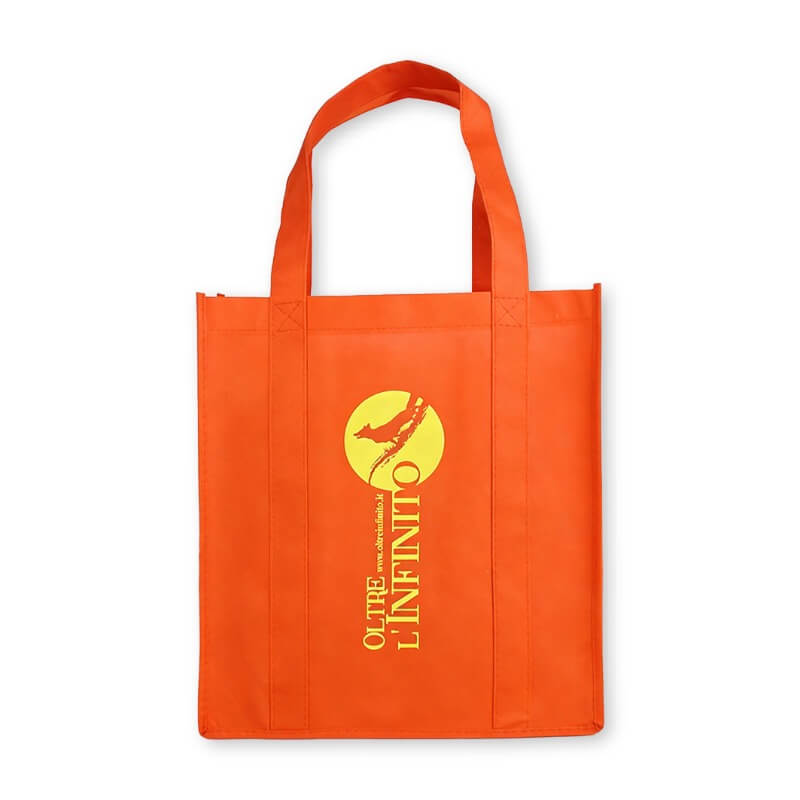
1. Track the Tangible: Cost-Per-Impression (CPI) & Direct Conversions
Start with the most straightforward metrics. A bag is a mobile billboard.
- Cost-Per-Impression (CPI): Calculate this by dividing the total cost of your bag order by the estimated number of impressions. If you order 1,000 bags at $5 each ($5,000 total), and each bag is used an estimated 50 times in public, you generate 50,000 impressions. Your CPI is $0.10. Compared to other advertising media, this is often remarkably low and continues for months or years.
- Direct Conversions: Use unique mechanisms on the bag to track sales.
- Dedicated QR Codes: Link to a specific landing page with an offer (e.g., “10% off your first order”).
- Unique Promo Codes: Print a code on the bag and track redemptions in your e-commerce system.
- “Bring-Back” Offers: Encourage return visits by offering a discount when the bag is presented in-store.
2. Quantify the Intangible: Brand Equity & Sentiment
This is where the deeper value lies. While harder to pin down, it’s crucial for long-term growth.
- Brand Recall & Perception: Conduct simple post-event surveys. Ask recipients: “Do you remember which company gave you this bag?” and “How did receiving this bag change your perception of our brand?” A positive shift in perception is a direct indicator of effective branding.
- Social Proof & Amplification: Encourage user-generated content. Create an event-specific hashtag and run a contest: “Show us where you’re using your [Brand] bag!” The number of shares, tags, and organic posts serves as a powerful metric for engagement and extended reach you didn’t pay for directly.
- Quality as a Brand Statement: A cheap, flimsy bag communicates neglect. A high-quality, useful bag communicates that you value quality and your customers’ experience. This perceived value directly enhances brand equity, which ultimately protects price points and fosters loyalty.
3. Measure Operational & Internal Value
Don’t forget internal benefits that contribute to overall business efficiency.
- Employee Morale & Advocacy: Custom bags for your team turn employees into proud brand ambassadors. This boosts morale and can aid in recruitment.
- Cost Savings: If you’re regularly shipping products or documents to clients, a durable, reusable branded mailer bag can replace disposable packaging, saving on recurring supply costs while reinforcing your brand with every delivery.
Building a Holistic ROI Picture: The Lifespan Multiplier
The true advantage of promotional bags is their longevity. A digital ad disappears in seconds; a well-made tote can last for 500+ uses. When evaluating ROI, factor in this extended lifespan. A $10 bag that lasts two years and is used weekly provides exponentially more value than a $3 bag that falls apart after a month. The cheapest option often has the worst long-term ROI.


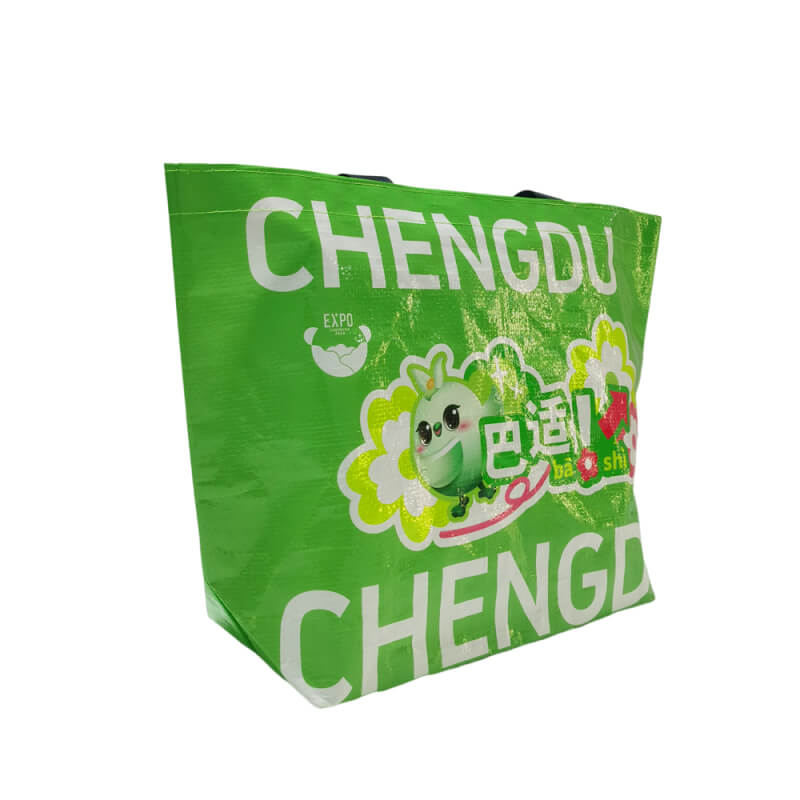
How to Start Measuring in Your Next Campaign
- Define Goals Before Ordering: Are you aiming for leads, social buzz, or brand lift? Your goal dictates your measurement tactic.
- Design for Trackability: Incorporate QR codes or unique URLs.
- Choose Quality for Longevity: Partner with a manufacturer (like us) who understands that material durability directly impacts impression count and brand perception.
- Ask and Analyze: Post-campaign, survey recipients and track your unique codes.
The Bottom Line
Viewing the ROI of promotional bags through this broader lens transforms them from a cost line item into a strategic, multi-touchpoint investment. You’re paying for sustained visibility, tangible brand utility, and an opportunity to create a positive, lasting impression that pure advertising often can’t match.
Ready to invest in bags that deliver measurable value? Contact us to discuss creating high-quality, trackable promotional bags designed to maximize your branding investment and provide the data you need to prove their worth.