Selling promotional bags into the European market has never been simple. But 2026 marks a genuine turning point. The rules have changed, buyer expectations have shifted, and the materials that worked five years ago may no longer be viable. If you’re sourcing custom bags for EU clients—or planning to enter the market—understanding these shifts isn’t optional. It’s the difference between winning contracts and losing them to competitors who adapted faster.
I’ve been tracking European bag regulations and procurement patterns closely over the past few years. What’s happening now is the most significant restructuring of the promotional bag market since the original plastic bag bans swept across the continent. Let me walk you through what’s actually changing and what it means for your sourcing strategy.
The PPWR Effect: Compliance Is Now Market Access
The EU’s Packaging and Packaging Waste Regulation (PPWR) formally entered into force in February 2025 and became generally applicable on August 12, 2026. This isn’t a gentle nudge toward sustainability. It’s a comprehensive framework that treats every bag placed on the EU market as regulated packaging—regardless of where it was manufactured.
Here’s the practical reality for promotional bag buyers: every packaging unit now requires a PPWR Declaration of Conformity backed by a technical file covering materials, weight, substance testing, and recyclability rationale. Food-contact packaging must meet strict PFAS limits. Heavy metal limits remain capped at 100 mg/kg. Producers must register in every member state where they place packaging on the market and appoint an EU Authorized Representative if based outside the EU.
For promotional bag sourcing, this changes the conversation. A brand that once ordered bags based on price and print quality alone now needs documented proof of material composition and traceable recycled content. Certification has moved from “nice to have” to the baseline requirement for market access.

Material Shifts: Non-Woven Bags Are Evolving Fast
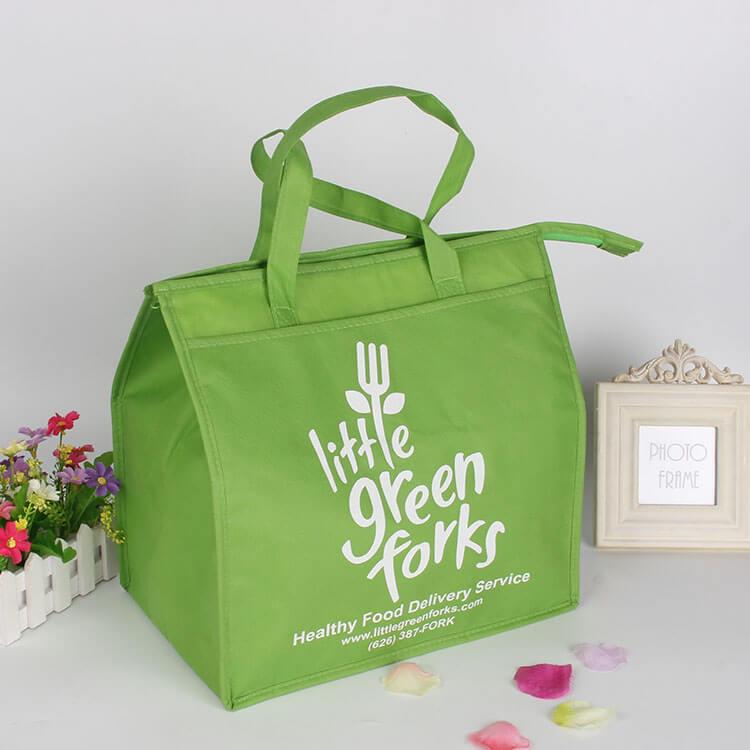
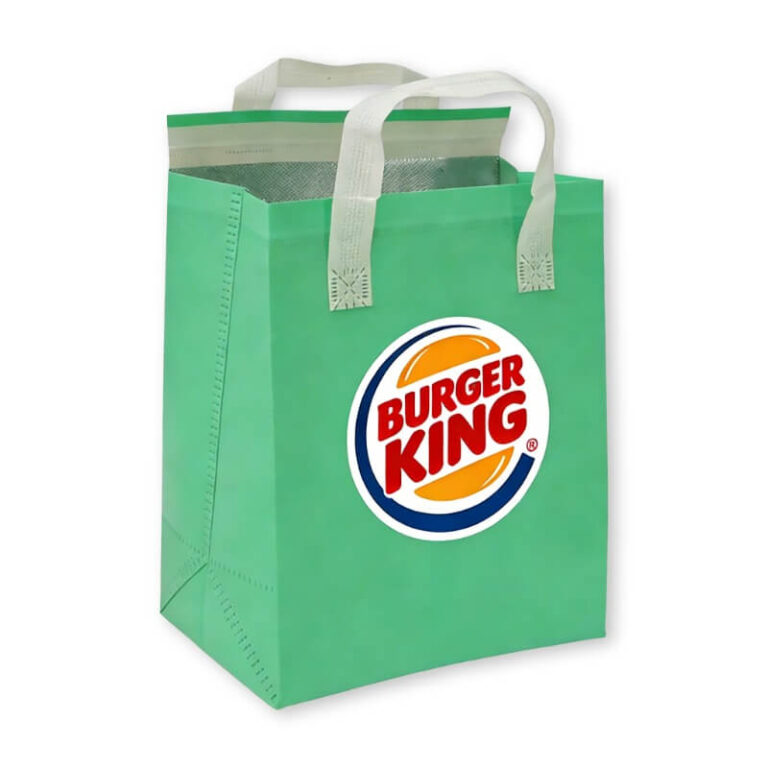
Non-woven bags have been the workhorse of European promotional campaigns for years. But the product itself is undergoing a significant transformation. According to industry reporting, reusable nonwoven bags have “evolved from low-cost promotional items into sophisticated retail packaging solutions designed to meet increasingly demanding sustainability, performance and regulatory requirements”.
What’s driving this evolution? Two things: regulation and automation.
On the regulation side, the PPWR introduces stricter requirements related to reuse, recyclability, and recycled content. Products designed for long service life and incorporating recycled content are likely to thrive. Low-quality products with limited lifespans, as well as multi-material laminated constructions that are difficult to recycle, may struggle to comply.
On the manufacturing side, advances in automation have significantly lowered the cost of producing durable reusable nonwoven bags at scale. This enables broader adoption across mass retail channels rather than limiting their use to premium or promotional applications. The industry is also shifting away from virgin polypropylene toward recycled alternatives, including recycled polypropylene (rPP) and recycled PET (rPET).
For buyers, the takeaway is clear: non-woven bags are still cost-effective, but the specification bar has risen. Thin, lightweight bags designed for one-time giveaways are being replaced by heavier-gauge products built for repeated use. The EU market reportedly saw demand growth of 11.3% for thicker non-woven bags designed for 50+ reuses in 2025, outpacing the global average.
Buyer Behavior: From “Products” to “Proven Value”
European promotional product distributors generated an estimated $14.83 billion in sales in 2025, a low single-digit increase from the previous year. But beneath that stable headline, purchasing behavior is shifting in ways that directly affect bag sourcing.
According to ASI Research, buyers are now purchasing “exactly what they need without any excess, as a cost-cutting measure.” Order counts are going up, but order value has gone down. Companies are also planning events and promo spend closer to execution than in the past.
More significantly, there’s a shift from selling products to proving value. As one industry veteran put it: “The winners will not be the guys who sell more types of products. The winners will be who delivers more value”.
What does this mean for promotional bags? It means a cheap tote with a one-color logo isn’t enough anymore. EU buyers want bags that reinforce sustainability values, support employee wellness, and align with hybrid-work readiness. They want measurable ROI, not just a unit price. The bag needs to be an asset, not an expense.
Design Trends: Durability, Modularity, and Local Sourcing
Three design trends are gaining momentum across the European promotional market.
Durability as the default. The PPWR’s reusable packaging rules require that any packaging labeled “reusable” satisfies nine conditions, from design intent and minimum trip counts to refillability and end-of-life recyclability. This means bags must be engineered to actually withstand repeated use—reinforced handles, sturdy gussets, and durable fabrics. The era of flimsy promotional totes is ending.
Modularity and repairability. European consumers—particularly in Germany, Scandinavia, and the Netherlands—are increasingly willing to purchase certified pre-owned or refinished bags. The regulatory tilt toward repairability favors brands that design bags with replaceable straps, buckles, and liners. For promotional bags, this translates into a preference for construction that can be maintained rather than discarded.
Local and responsibly sourced production. Exhibitors at European trade shows have noted rising demand for European-made, responsibly sourced products. While Asian manufacturing remains dominant for cost reasons, there’s a growing niche for bags produced closer to market—especially for brands with strong sustainability narratives. For manufacturers outside the EU, this means investing in transparent supply chains and credible certifications to compete.

What This Means for Your Sourcing Strategy
If you’re sourcing promotional bags for the European market in 2026 and beyond, here are four practical steps.
Know the regulatory timeline. The August 2026 application date is just the beginning. Harmonized material labeling arrives in August 2028, reusable-packaging labeling with QR codes in February 2029, and the first recyclability and recycled-content thresholds on January 1, 2030. Build compliance into your product roadmap now, not later.
Specify certified recycled content. GRS (Global Recycled Standard) certification is no longer a marketing bonus—it’s becoming a procurement requirement for many EU buyers. Ask your manufacturer for documentation that traces recycled content from raw material to finished bag.
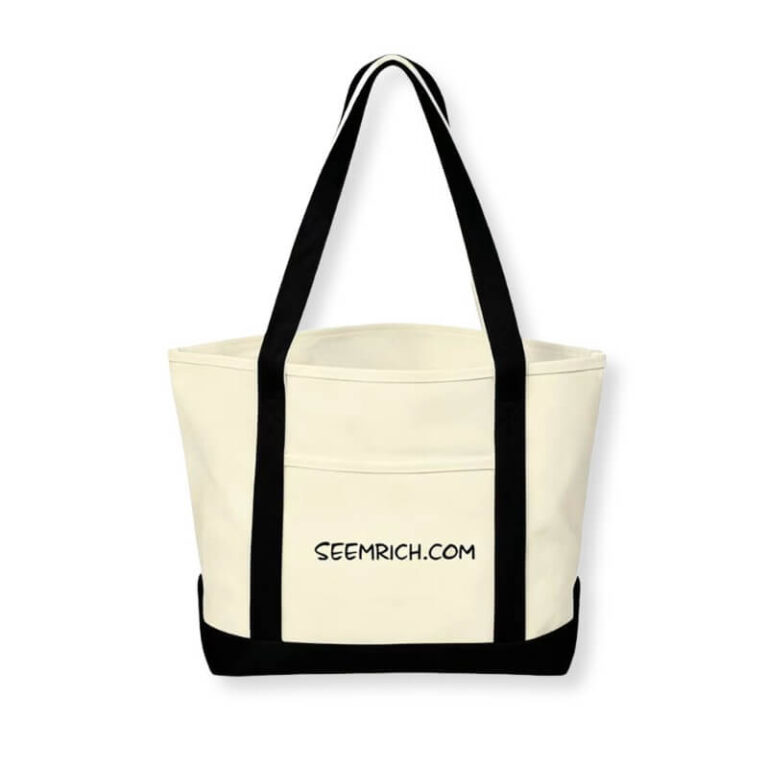
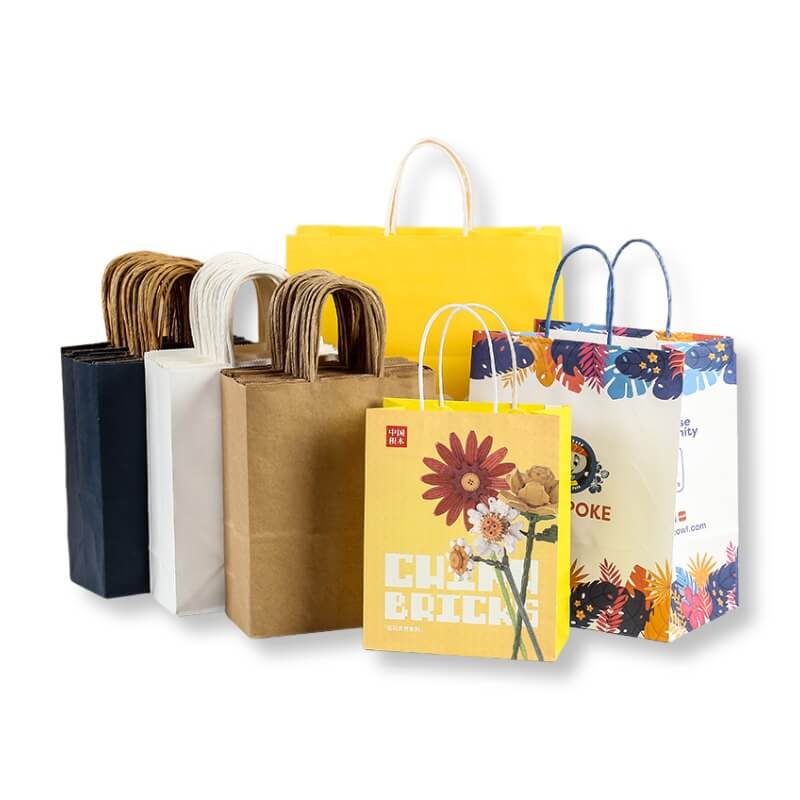
Choose materials that balance compliance and cost. Non-woven rPP and rPET offer a practical middle ground for many applications. Canvas and cotton remain viable for premium and promotional use, but verify that your supply chain can document responsible sourcing. Paper bags are gaining share in retail and takeaway applications, especially where compostability is valued.
Partner with manufacturers who understand EU compliance. The regulatory landscape is complex and fragmented across member states. A manufacturer who has invested in PPWR documentation, EPR registration support, and certification management will save you months of administrative headaches. Ask potential suppliers about their compliance infrastructure before you place an order.
The Bottom Line
The European promotional bag market is maturing. The era of cheap, disposable giveaways is giving way to an era of durable, certified, value-driven branded products. The regulations driving this shift are strict, and they’re only going to tighten. But for buyers who adapt early—specifying compliant materials, choosing manufacturers with the right documentation, and designing bags that people genuinely want to keep and reuse—the opportunity is significant.
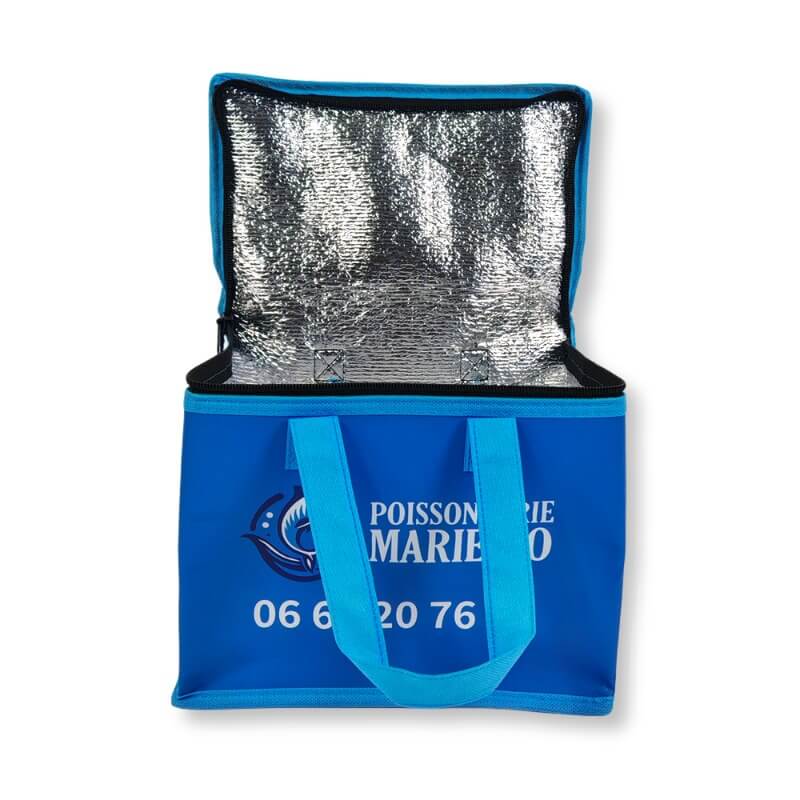
At EcoPromoBags, we’ve been preparing for these changes. We offer GRS-certified recycled non-wovens, FSC paper bags, and compliant thermal delivery bags—all backed by the documentation EU buyers need. Whether you’re sourcing 500 bags for a corporate campaign or 50,000 for retail distribution, we can help you navigate the regulatory landscape and deliver a product that performs.
Ready to source promotional bags that meet EU standards? Contact us today for samples, certification details, and a transparent quote.