If you’ve sourced promotional bags in the last few years, you’ve probably noticed something shifting. The materials your suppliers recommend are changing. The questions buyers ask are getting more specific. And the regulations you need to track seem to multiply every quarter. That’s not coincidence—it’s the direct result of a global legislative wave that is fundamentally reshaping how promotional bags are made, sold, and used.
Welcome to the era of the plastic ban. If you’re a procurement manager, marketer, or brand owner, understanding this landscape isn’t optional anymore—it’s essential to staying compliant, competitive, and credible. Let’s break down what’s happening, why it matters, and how you can adapt your sourcing strategy for the new reality.
The Global Legislative Landscape: A Tidal Wave of Regulation
Over 100 countries have now banned or restricted single-use plastic shopping bags in some form. However, what’s happening now goes far beyond simple bag bans. Governments are building comprehensive regulatory frameworks that touch every aspect of packaging—from design to disposal.
Let’s look at the major markets leading this charge.
The European Union has taken the most comprehensive approach. The EU’s Packaging and Packaging Waste Regulation (PPWR), which formally entered into force in February 2025, becomes practically applicable starting August 12, 2026. The legislation aims to make all packaging within the EU recyclable by 2030, increase the incorporation of recycled materials, limit unnecessary formats, and promote circular business models. Very lightweight plastic bags (wall thickness below 15 microns) will be largely eliminated, remaining permitted only for hygiene reasons or for transporting loose food to prevent waste. Additionally, PFAS in food-contact packaging will be banned.restaurants and hotels may no longer serve food and beverages in single-use plastic containers for consumption on the premises. From 2030, plastic packaging must contain at least 30% recycled material.
The United States lacks a federal ban, but states are filling the void. California passed SB 1053, which took effect January 1, 2026, banning all plastic shopping bags—including the thicker “reusable” ones that had previously been allowed—and permitting only recycled paper bags that meet strict standards. Retailers must charge a minimum of $0.10 per recycled paper bag, and by 2028, those paper bags must contain at least 50% post-consumer recycled material California also mandates 65% single-use plastic recycling and 25% reduction targets by 2032. New York extended its ban on polystyrene foam packaging to cold storage containers, and Maine and Virginia have enacted their own restrictions on PFAS and expanded polystyrene.
Canada’s Single-Use Plastics Prohibition Regulations remain in effect, covering checkout bags, cutlery, straws, and six-pack rings. A Federal Court of Appeal upheld the ban in January 2026.
Australia continues phasing out non-compostable barrier bags. From October 2025, bags used for loose fruit, vegetables, nuts, and confectionery must meet design standards. From October 2026, restrictions extend to bags for unpackaged meat, seafood, and dairy.
the Asia Market
India enforces recycled content quotas: 30% for rigid plastic packaging effective from 2025-26, rising to 40% for food-grade PET packaging from April 1, 2026. This will increase to 50% in FY2027-28 and 60% from FY2028-29 onward.
China has implemented its new ecological environment code and mandatory national standards for excessive packaging. Georgia banned the sale of single-use plastic cutlery and food containers from April 1, 2026. Tunisia has moved to ban single-use plastic bags nationwide, and Rwanda has become the first country in the region to issue a complete ban on all single-use plastics.
Meanwhile, global negotiations on a UN Plastics Treaty continue. While the August 2025 talks in Geneva adjourned without consensus, 175 nations remain committed to developing a legally binding instrument on plastic pollution. The direction of travel is clear—even if the timeline isn’t.

Six Ways Plastic Bans Are Changing the Promotional Bags Industry
These regulations aren’t just affecting supermarkets and packaging manufacturers. They are reshaping the promotional bags industry from the ground up. Here are the six most significant shifts we’re seeing.
1. The Death of “Lightweight” Plastic Bags
The classic thin poly bag—the kind given away at events or used for impulse purchases—is disappearing. Under PPWR, very lightweight plastic carrier bags (wall thickness below 15 microns) face near-total elimination. California’s ban eliminates even thicker “reusable” plastic bags from checkout counters. For promotional bag buyers, this means the cheapest, lowest-quality options are no longer viable for many markets.
2. The Rise of Recycled Content Mandates
Regulations now require specific percentages of post-consumer recycled (PCR) content. Under PPWR, single-use plastic beverage bottles and certain other plastic packaging must contain at least 30% recycled material by 2030. India mandates 30% recycled content for rigid packaging from 2025-26, rising to 40% from April 2026. This requirement is driving investment in food-grade PCR sourcing, despite a significant cost premium over virgin material.
3. The Surge in Sustainable Alternatives
Non-woven bags have emerged as a popular alternative due to their reusability, lightweight nature, and cost-effectiveness. Organic cotton, jute, hemp, and RPET (recycled polyester) are increasingly specified by brands seeking to appeal to environmentally conscious consumers. In 2026, sustainability is shifting from a “selling point” to a “baseline expectation”. The global tote bags market is projected to expand from USD 7.11 billion in 2025 to USD 10.84 billion by 2031, and bags remain the sixth-largest category in promotional products, with $1.92 billion in sales.
4. Bifurcated Markets and Compliance Complexity
Regulatory fragmentation creates a two-track market. Markets with single-use plastic restrictions—Japan, South Korea, parts of Australia, the EU—are accelerating adoption of recycled-content and compostable variants. Price-sensitive markets remain dominated by virgin materials. For multinational buyers, this creates compliance headaches: a bag compliant with Japan’s food contact standards may not meet India’s recycled-content mandates or Australia’s compostability certification requirements.
5. The End of Greenwashing
Consumers and regulators are demanding proof. Vague claims no longer cut it. Buyers need certifications like GRS (Global Recycled Standard), FSC, and BSCI to back up their environmental messaging. Under PPWR, packaging must be designed for recycling from August 12, 2026, and harmonized labelling will simplify sorting for consumers. Extended Producer Responsibility (EPR) assigns the financial costs of collection, sorting, and recycling to producers through modulated fees that reward eco-design.
6. Reusable Bags as Branding Tools
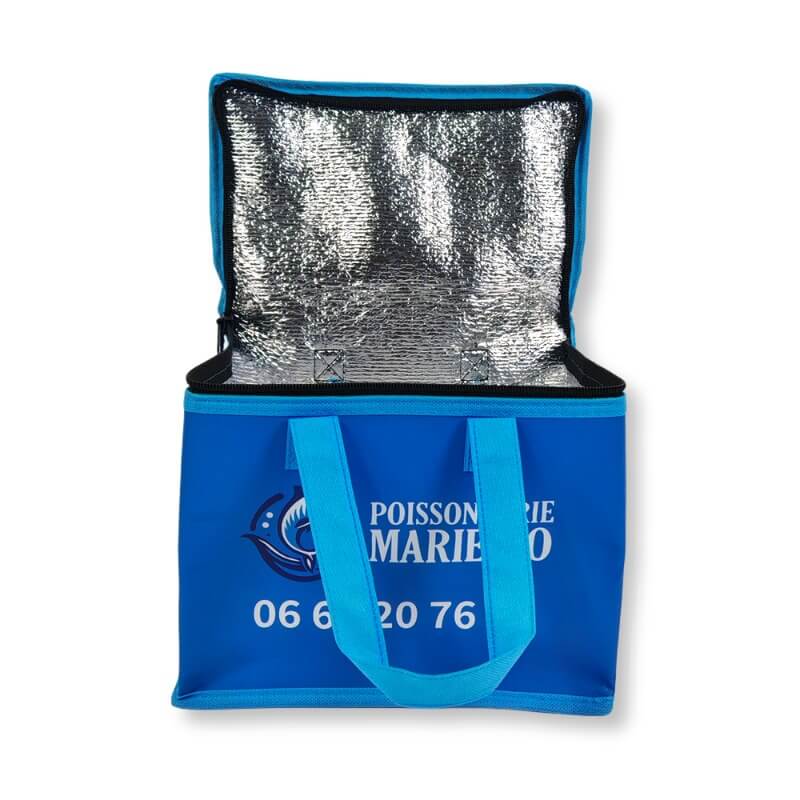
Germany’s plastic bag ban has driven an estimated 80% drop in single-use plastic bag use and a growing reliance on sturdier reusable carriers. In Australia, reusable carriers held 61.05% of the retail bags market share in 2025. This isn’t a threat to the promotional bags industry—it’s an opportunity. Bags designed for longevity become walking billboards that generate impressions for months or years. As one industry observer put it, reusable shopping bags are becoming powerful branding tools.
What This Means for Your Sourcing Strategy
How should you respond to these changes? Here are four practical steps to future-proof your promotional bag sourcing.
Know your market. If you’re selling into the EU, California, or Canada, you need to understand the specific regulations that apply. PPWR applies to any packaging placed on the EU market—regardless of where it’s manufactured.
Choose materials wisely. Non-woven PP bags above certain GSM thresholds may be permitted in some jurisdictions under strict conditions. However, in others, only paper, cotton, or certified compostable materials will pass muster. The global non-woven advertising bags market is projected to grow steadily, with trends pointing toward biodegradable materials like PLA.
Demand verification. Certifications like GRS, FSC, and BSCI aren’t optional extras—they’re becoming baseline requirements. If your supplier can’t provide them, find one who can.
Design for the future. Regulations will only tighten further. Bags that are recyclable, contain recycled content, and avoid harmful chemicals (like PFAS) are future-proofing your supply chain.
The Bottom Line
Global plastic bans aren’t a passing trend—they represent a fundamental restructuring of how the packaging and promotional products industries operate. For buyers, this means more complexity, but also more opportunity. The brands that adapt early—choosing sustainable materials, verifying their claims, and designing for longevity—will build trust, avoid regulatory penalties, and turn a compliance challenge into a competitive advantage.
At EcoPromoBags, we’ve been tracking these regulatory shifts closely. We offer materials that meet the latest standards—from GRS-certified recycled non-wovens to FSC paper and PFAS-free coatings. We can help you navigate the compliance landscape and choose the right bag for your market.
Ready to source promotional bags that meet global standards? Contact us today for a consultation and samples that are built for the future.