If you’ve ever ordered delivery and gotten lukewarm fries or a soggy salad, you know the feeling. The food might have left the kitchen perfect. But by the time it reached your door, something went wrong. For restaurants, ghost kitchens, and catering teams, that “something” is often the bag. Choosing the right insulated bags for food delivery is not a small detail. It directly affects food safety, customer satisfaction, and whether people order from you again.
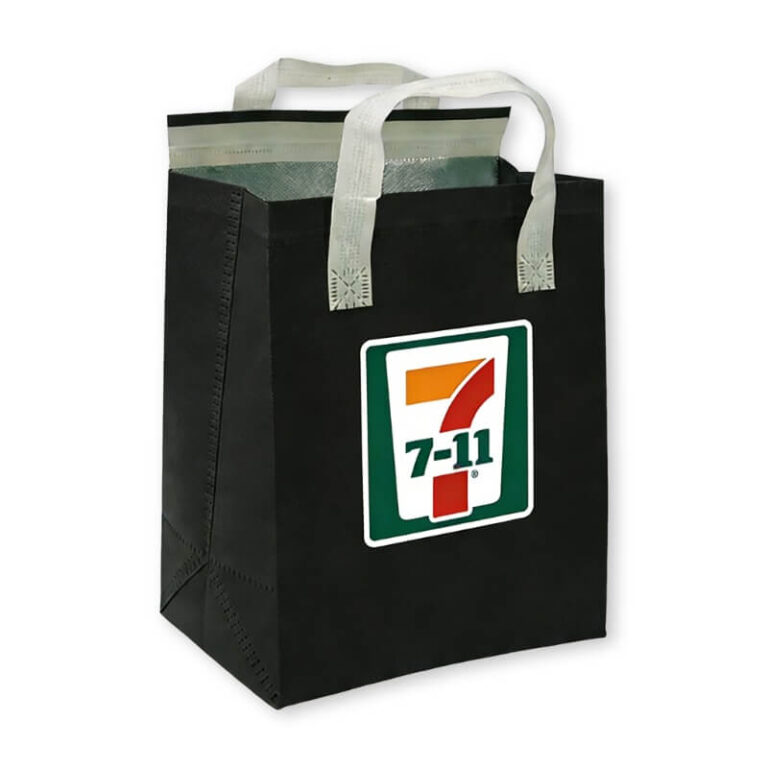
So how do you cut through the options and find bags that actually perform? Let’s focus on one proven material combination: laminated nonwoven fabric on the outside, aluminum foil on the inside. This structure is lightweight, affordable, and surprisingly effective. Here’s what to look for.
Why the Material Stack Matters
An insulated delivery bag is not just a single piece of fabric. It works as a system. The outer layer protects against rain, grease, and daily wear. The middle layer slows heat transfer. The inner layer reflects heat back toward the food.
When these layers work together, your food stays hot or cold for the length of a typical delivery run. When one layer fails, the whole bag underperforms. That’s why you should evaluate every part of the bag, not just the logo space.
Start With the Inner Lining: Aluminum Foil
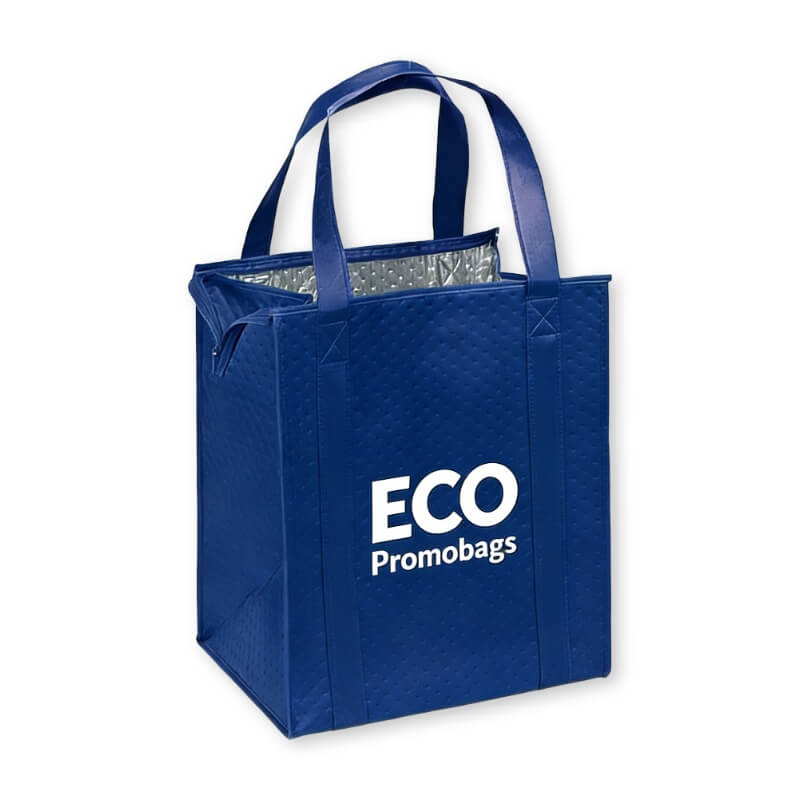
Aluminum foil is the quiet hero of many delivery bags. It reflects radiant heat, which means it bounces warmth back toward hot food and keeps cold items cool. However, not all foil linings are equal.
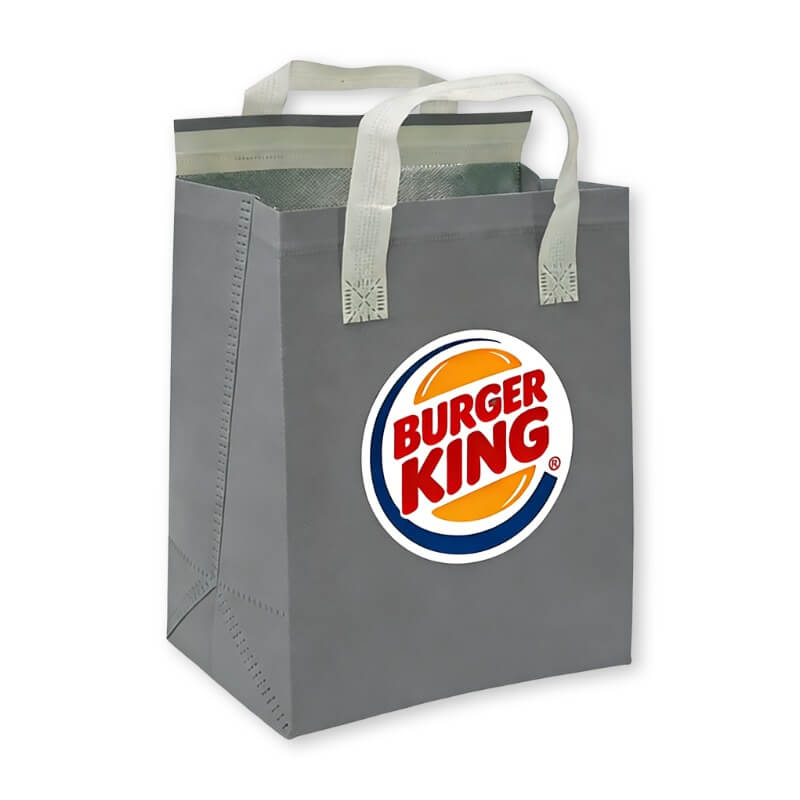
Look for foil that is laminated to a food-grade film or PE layer. This prevents the foil from flaking or tearing. Also check the adhesion. If you can peel the foil away with your fingernail, it won’t survive real-world use. A good lining should also be easy to wipe clean and resistant to grease and moisture.
Ask your supplier: “Is the foil food-safe? Does it meet FDA or EU food-contact standards?” If they hesitate, move on.
The Outer Shell: Laminated Nonwoven Fabric
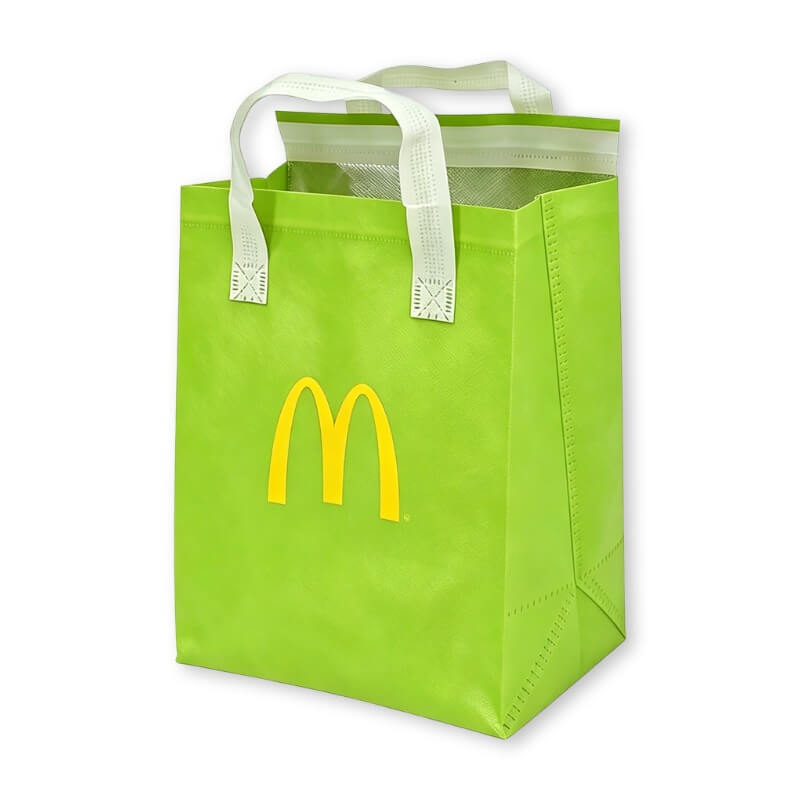
Nonwoven fabric alone is breathable. That’s fine for a shopping tote, but it’s a problem for food delivery. Lamination solves this. It adds a thin film that makes the fabric water-resistant, grease-resistant, and much easier to print on.
Laminated nonwoven fabric is also lightweight and cost-effective. For delivery bags, it offers a practical balance between durability and price. Pay attention to GSM, which stands for grams per square meter. For standard delivery use, 80–100 GSM works well. For a more premium feel and longer lifespan, choose 120 GSM or higher.
Don’t Ignore Insulation and Construction
The middle insulation layer is what keeps temperatures stable. For short deliveries under 30 minutes, a 3–5mm foam layer may be enough. For longer routes or larger orders, look for 8–10mm of closed-cell foam.
Construction details matter just as much. Reinforced handles prevent breakage when drivers carry heavy loads. Double-stitched seams reduce the risk of splitting. A gusseted bottom helps the bag stand upright and keeps containers from tipping over.
If you’re choosing disposable bags, a one-time tamper-evident seal adds safety and customer trust. If you’re choosing reusable bags, a heavy-duty zipper is essential.
Match the Bag to Your Menu
Different foods need different bag shapes. Pizza requires a wide, flat bag. Beverages need tall bags with dividers. Catering trays need large, rigid bags with strong bases. Before you order, measure your most common containers. Then add a little extra room for easy loading and unloading.
Also think about closure. A secure seal keeps heat in and prevents spills. It also signals to customers that their food has not been touched. That small detail builds loyalty.


Compliance and Branding Go Hand in Hand
Food delivery bags must be safe for indirect food contact. Ask for material certifications and food-safe inks. If you’re selling into the EU, check for PFAS restrictions and packaging compliance. If you’re selling into the US, confirm FDA-compliant materials.
Branding is important, too. Your bag is a moving billboard. Print your logo clearly and choose colors that match your brand. But don’t sacrifice function for looks. A beautiful bag that fails to insulate is a wasted investment.
Test Before You Commit
Never place a bulk order based on photos alone. Request a pre-production sample. Then test it like a customer would. Fill it with hot food containers and check the exterior temperature after 30 minutes. Load it with weight and carry it around. Wipe the lining with a damp cloth. Open and close the seal or zipper 20 times.
If the sample fails, the bulk order will fail too. A reliable manufacturer will welcome this testing because they stand behind their work.
The Bottom Line
Choosing insulated bags for food delivery comes down to materials, construction, and testing. Laminated nonwoven fabric with an aluminum foil lining offers a smart combination of cost, performance, and printability. But you still need to check GSM, insulation thickness, seals, and certifications.
At EcoPromoBags, we manufacture insulated delivery bags with laminated nonwoven fabric and aluminum foil linings. We help restaurants and catering teams choose the right specs for their routes and menus. Whether you need 500 bags or 50,000, we can provide samples and a transparent quote.
Ready to upgrade your delivery packaging? Contact us today. Your food deserves to arrive as good as it left the kitchen.