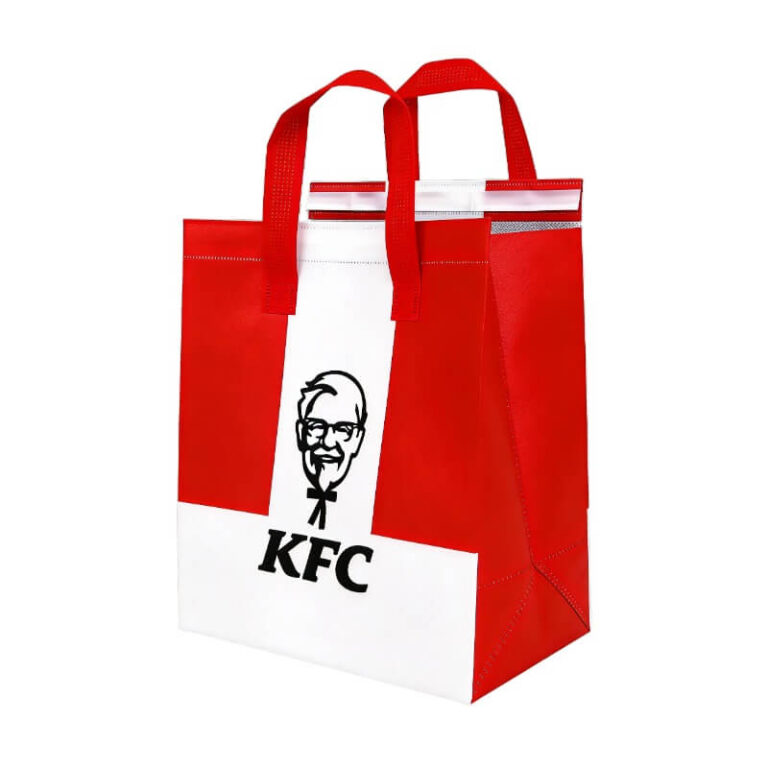
The food delivery boom isn’t slowing down. From ghost kitchens to global chains, restaurants everywhere are competing for the same thing: getting hot, fresh food to customers in perfect condition. But here’s what many brands overlook—the bag itself is a critical piece of that experience. A soggy pizza or lukewarm burger isn’t just a bad meal; it’s a lost customer.
That’s why choosing the right food delivery bag manufacturer matters more than ever. It’s not just about finding someone who can sew fabric together. It’s about partnering with a factory that understands insulation science, food safety compliance, and the daily abuse these bags take. Let me walk you through what separates a great manufacturer from a mediocre one.
Why Your Delivery Bag Is a Brand Asset
Think about it: your delivery bag is the last physical touchpoint a customer has with your brand before they eat. If it’s flimsy, leaks, or fails to keep food hot, that negative impression sticks. If it’s sturdy, well-insulated, and looks professional, it reinforces trust.
Commercial delivery bags aren’t the same as a cheap lunch tote from a discount store. They need to withstand constant folding, loading into scooters or cars, exposure to grease and moisture, and hours of use per day. That’s a tall order for any food delivery bag manufacturer—and not all of them can deliver.
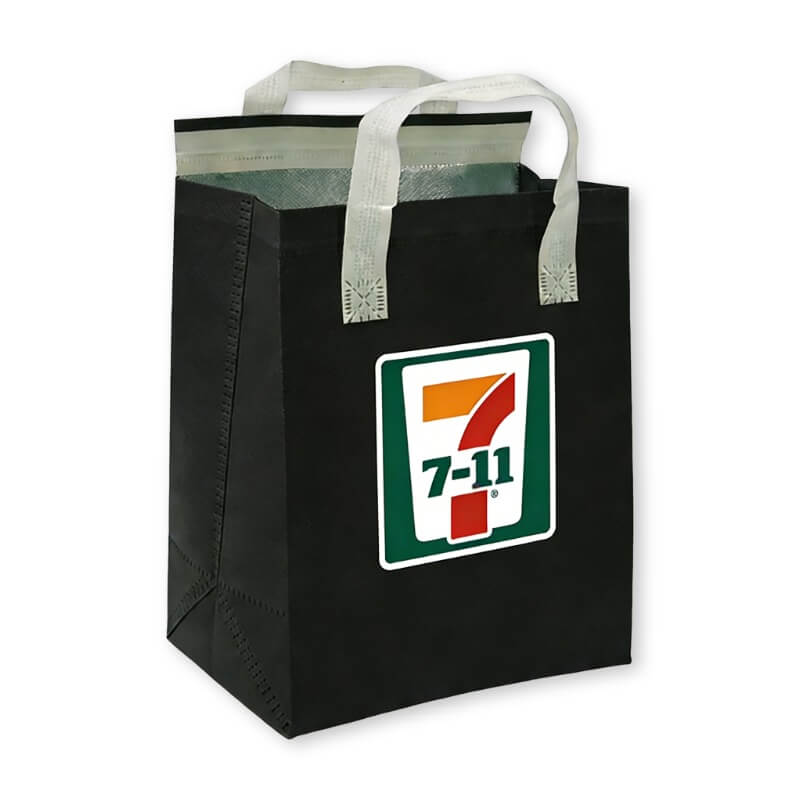
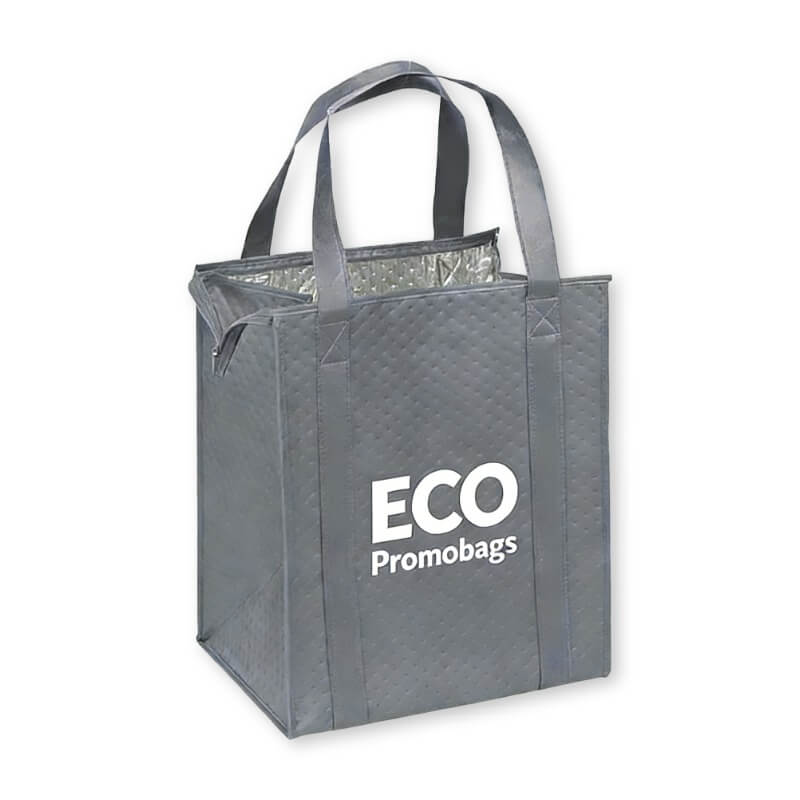
Key Factors When Evaluating Food Delivery Bag Manufacturers
Before you request quotes, know what you’re actually evaluating. Here are the non-negotiables.
1. Material Quality and Insulation Performance
The best delivery bags use a combination of layers: a durable outer shell (typically 600D or 1680D Oxford fabric), a thick insulation core (PE foam or EPE foam), and a food-grade inner lining (PEVA, aluminum foil, or TPU). Each layer serves a purpose. A manufacturer who cuts corners on any of them is not worth your time.
Ask for specific details: What’s the GSM of the outer fabric? How thick is the foam? Is the lining leak-proof and easy to wipe clean? A professional food delivery bag manufacturer will have answers ready.
2. Customization Capabilities
Your bag should carry your logo, your colors, and your brand personality. But customization goes beyond printing. Can the manufacturer adjust dimensions for different container sizes? Can they add compartments, cup holders, or reinforced handles? And can they produce small trial batches before you commit to thousands? Flexibility here is a sign of a true factory, not a middleman.
3. Compliance and Certifications
Food-contact materials must meet safety standards. Depending on your market, you may need FDA-approved linings, REACH compliance, or OEKO-TEX certification. If a manufacturer shrugs when you ask about these, move on. Serious food delivery bag manufacturers keep documentation on hand and understand global regulations.
4. Production Capacity and MOQ
A factory that handles 500 bags a month may not be ready for your 10,000-unit order. Ask about monthly output, number of sewing lines, and typical lead times. Also, be clear about your Minimum Order Quantity (MOQ). Some factories are flexible for first orders; others aren’t. Knowing this upfront saves weeks of wasted negotiation.
5. Quality Control Process
This is where cheap bags fail. Ask how they inspect incoming materials, monitor stitching during production, and check finished goods before shipment. A factory with a documented QC process—and the willingness to share inspection reports—is worth its weight in gold. If they dodge the question, walk away.
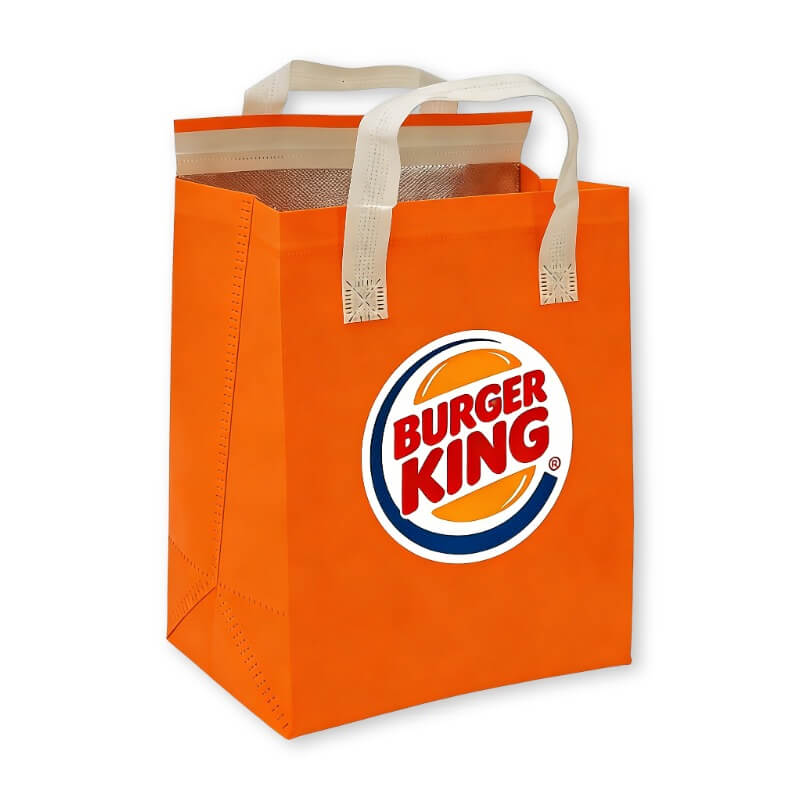
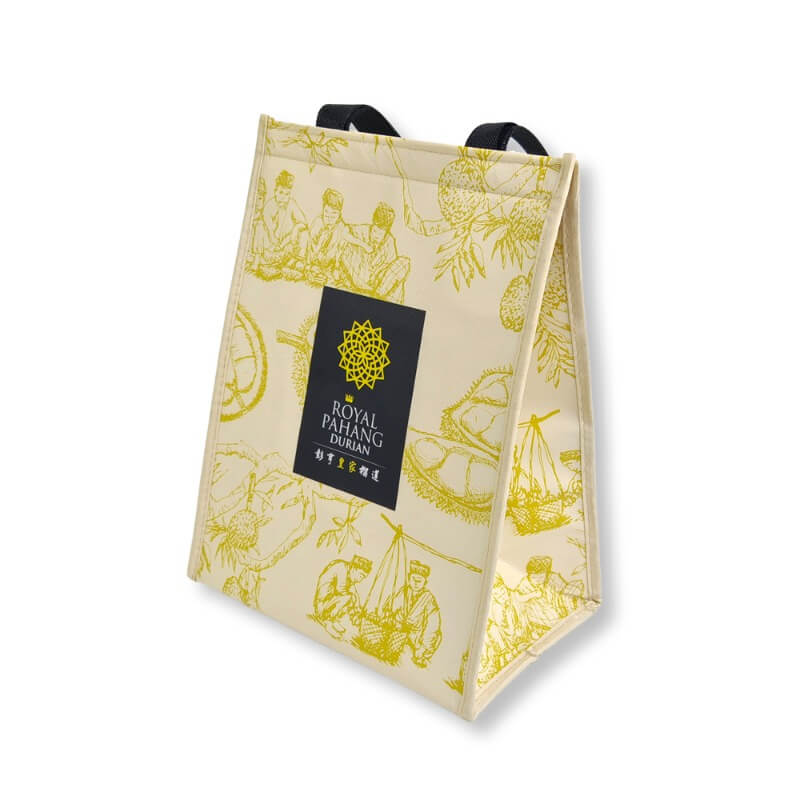

Direct Factory vs. Trading Company: Why It Matters
You’ll find plenty of “suppliers” online who claim to be food delivery bag manufacturers. Many are actually trading companies that outsource production. There’s nothing wrong with traders in some industries, but for delivery bags, the difference is significant.
Direct factories control their own production. That means better pricing, faster problem-solving, and accountability when something goes wrong. Traders add a layer of cost and communication delay. They may not even know the technical details of how your bag is made.
How to tell the difference? Ask for a video tour of the production floor. Request photos of their sewing lines, cutting tables, and warehouse. A real factory will happily show you. A trader will make excuses.
What to Look for in a Sample
Never place a bulk order based on photos alone. Always request a pre-production sample. When it arrives, test it like a customer would:
- Fill it with hot food containers and check the exterior temperature after 30 minutes.
- Load it with weight and carry it around—do the handles dig in?
- Open and close the zipper 20 times. Does it snag?
- Wipe the interior with a damp cloth. Does the lining stain or peel?
If the sample disappoints, the bulk order will too. A good food delivery bag manufacturer will welcome this scrutiny because they stand behind their work.
The Bottom Line
Your delivery bag is more than packaging—it’s a brand ambassador, a temperature guardian, and a customer satisfaction tool. Choosing the right food delivery bag manufacturer isn’t about finding the lowest price. It’s about finding a partner who understands materials, compliance, and the realities of daily commercial use.
At EcoPromoBags, we’ve spent years producing thermal delivery bags for restaurants, ghost kitchens, and catering companies. We control every stage of production, from fabric sourcing to final inspection. If you’re tired of flimsy bags and unreliable suppliers, let’s talk.
Contact us today for samples, a factory tour, and a transparent quote. Your food deserves a bag that performs as well as your kitchen does.