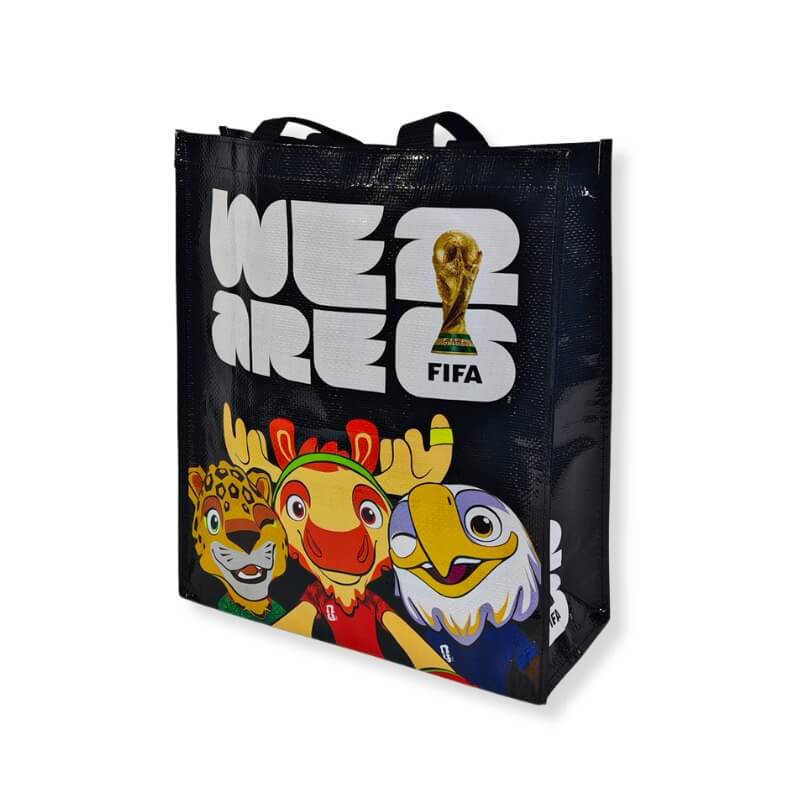
For decades, promotional merchandise followed a simple formula: put your logo on something useful, hand it out, and hope people remember you. A branded pen. A logo’d water bottle. A tote bag with your company name across the front. The assumption was that visibility equals impact.
But something has shifted. Walk through any trade show, conference, or brand activation today, and the most successful giveaways aren’t just logo carriers. They’re experiences. They invite touch, interaction, and even co-creation. This is the era of experiential promotional merchandise—and it’s changing how procurement managers and brand teams think about their swag budgets.
I’ve watched this transition firsthand. The clients who see the best results from their promotional spend are no longer asking “What’s the cheapest item we can put our logo on?” They’re asking “How can this item make someone feel something?” That’s a profound shift, and it matters.
What Makes Merchandise “Experiential”?
Experiential merchandise goes beyond passive branding. It engages the senses, encourages participation, or creates a moment of discovery. Instead of being a static object, it becomes part of an interaction.
Think about the difference between handing someone a branded sticker and inviting them to customize their own canvas tote with iron-on patches at your booth. Or the difference between a standard logo’d notebook and a seed-paper journal that users can plant after they’ve filled its pages. One sits in a drawer. The other creates a memory.
The key ingredients of experiential merchandise are:
- Sensory engagement. Textures, scents, sounds, or tastes that make the item memorable.
- Interactivity. Something the recipient does—assemble, customize, solve, or play.
- Storytelling. The item connects to a narrative or purpose beyond the brand itself.
- Shareability. It’s photogenic or conversation-worthy, encouraging organic social sharing.
Why B2B Buyers Are Paying Attention
The shift toward experiential merch isn’t just a creative whim. It’s driven by measurable business outcomes.
First, retention rates for experiential items are significantly higher than for standard giveaways. When someone participates in creating or customizing an item, they form an emotional attachment. That attachment translates into longer ownership and more frequent use—which means more brand impressions over time.
Second, experiential merch generates better quality leads. At a trade show, a booth that offers a hands-on activity draws a crowd. That crowd creates energy, which attracts more visitors. And the people who stop to engage are more likely to remember your brand and recall the conversation they had with your team.
Third, it aligns with the values of younger B2B buyers. Millennial and Gen Z decision-makers are less impressed by cheap trinkets and more drawn to brands that offer authentic, memorable experiences. They want to feel something, not just receive something.
Practical Examples of Experiential Merchandise
Let’s move from theory to practice. Here are a few ideas that work well in a B2B context, especially when they’re built around bags and carry items.
1. Customization Stations
Set up a small station at your event where attendees can personalize a bag. Offer a plain canvas tote or drawstring backpack and a selection of iron-on patches, fabric markers, or embroidery options. The bag becomes theirs—not just yours. They’ll keep it because they made it.
2. “Build Your Own” Kits
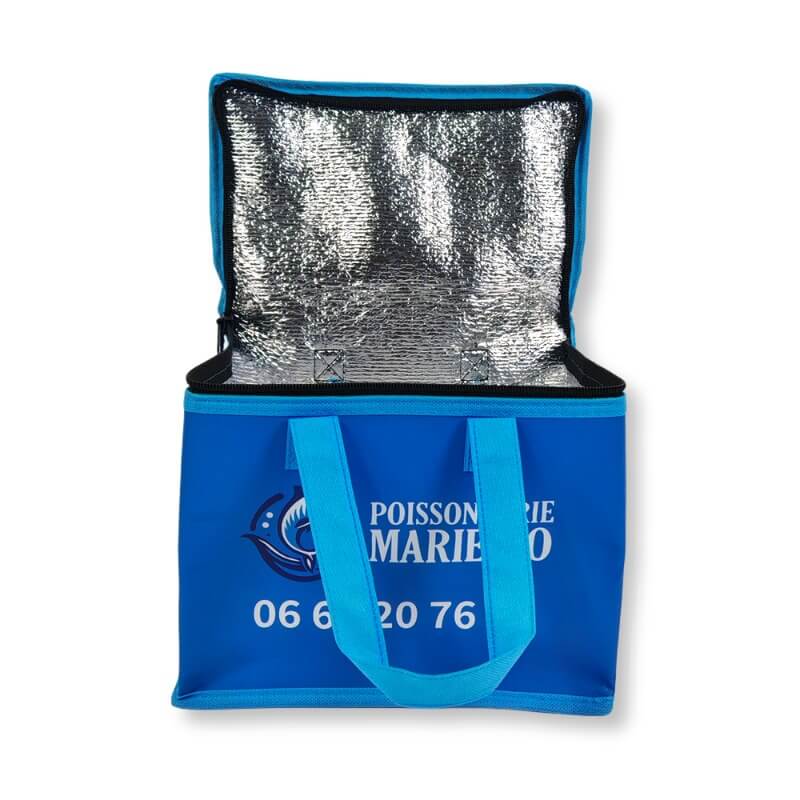
For virtual events or remote teams, send a kit that recipients assemble themselves. A branded cooler bag packed with gourmet snacks and a recipe card, or a tote bag containing a small DIY project. The unboxing becomes an experience, and the bag remains as a practical reminder.
3. Sensory Elements
Incorporate a scent, texture, or sound into the packaging or the product. A canvas tote that carries a subtle, pleasant fragrance, or a branded box that opens with a satisfying magnetic snap. These small sensory details create a lasting impression.
4. Utility Plus Discovery
Create items with hidden features or multi-purpose functions. A tote bag that converts into a backpack, a cooler bag with a built-in bottle opener, or a drawstring bag that folds into its own pocket. These “aha” moments turn a functional item into a conversation starter.
5. Cause-Driven Merchandise
Connect the item to a cause or purpose. For example, a tote bag made from recycled ocean plastic, with a tag explaining the journey of that plastic from beach to bag. The item becomes a statement of shared values, not just a piece of swag.


How to Source Experiential Merchandise
Not every factory can execute this kind of merchandise. You need a partner who understands the difference between printing a logo and creating an experience.
Here’s what to look for:
Flexibility in customization. Can they accommodate small-batch runs, mixed materials, or custom shapes? Experiential merch often requires deviation from standard specs.
Willingness to collaborate. A good manufacturer will offer suggestions on how to make the item more engaging. They’ll ask about the end-user, the context in which the item will be distributed, and the desired emotional outcome.
Attention to detail. Experiential items live or die on details—the feel of a zipper, the weight of the fabric, the quality of a patch. Sloppy construction undermines the entire concept.
Reliable sampling. Always test the experiential element with a physical sample. Does the patch adhere properly? Does the customization station actually work in practice? And does the unboxing feel satisfying, or frustrating?
The Bottom Line
Experiential promotional merchandise isn’t a fad. It’s a fundamental shift in how brands connect with people in a cluttered, attention-scarce world. For B2B procurement managers, the opportunity is clear: move beyond the logo, and create items that spark engagement, build emotional connections, and generate measurable results.
At EcoPromoBags, we help brands create bags that go beyond simple branding. From customizable canvas totes to multi-functional cooler bags and interactive packaging, we work with you to turn a bag into an experience. Whether you’re planning a trade show, a corporate gift campaign, or a brand activation, we can help you design something people will actually remember.
Ready to move beyond the logo? Contact us today for samples, design consultation, and a quote. Let’s create promotional merchandise that does more than sit in a drawer.