Non-Woven Bags: The Workhorse of Promotional Products | EcoPromoBags
Let’s be honest: non-woven bags don’t get the respect they deserve. They’re not as glamorous as a sleek canvas tote or as trendy as a jute market bag. But if you’re a procurement manager or marketer looking for a reliable, cost-effective, and highly customizable promotional product, the humble non-woven bag is your secret weapon. It’s the workhorse of the promotional bag industry, and it’s time we gave it its due.
I’ve been in this business long enough to see trends come and go. Yet, year after year, non-woven bags remain one of the most ordered, most used, and most effective promotional items on the market. Why? Because they deliver on the basics without breaking the bank. Let’s explore what makes them such a powerhouse and how you can unleash their full potential for your brand.
What Exactly Is a Non-Woven Bag?
First, a quick definition. Non-woven fabric isn’t woven like traditional textiles. Instead, it’s made by bonding polypropylene (PP) fibers together using heat, pressure, or chemicals. The result is a strong, lightweight, and breathable material that’s incredibly versatile. Unlike canvas or cotton, non-woven is water-resistant, holds its shape well, and provides an excellent surface for high-quality printing.
Reason 1: Unbeatable Cost-Effectiveness
Let’s start with the obvious: price. Non-woven bags are significantly cheaper than canvas, cotton, or jute alternatives. For large-scale events, trade shows, or retail promotions where you need to distribute thousands of units without blowing your budget, they’re the clear winner.
But here’s the nuance: cheap doesn’t have to mean cheap-looking. The key is selecting the right GSM (grams per square meter). A 100 GSM non-woven bag feels substantial and looks professional. A flimsy 60 GSM bag screams “disposable.” Spend a few extra cents on higher GSM, and your bag will look and feel like a product people actually want to keep.


Reason 2: A Giant Canvas for Your Brand
One of the biggest advantages of non-woven bags is the printing surface. The smooth, flat panels take screen printing beautifully, allowing for bold, vibrant logos that pop. Unlike textured fabrics (like jute or hemp) that absorb ink and lose detail, non-woven holds sharp lines and solid colors perfectly.
You can print on one side, both sides, or even the handles. and you can use one color or multiple colors. You can go for a massive, in-your-face logo or a subtle, minimalist design. The flexibility is unmatched. For brands that want maximum visibility, non-woven delivers.
Reason 3: Durability That Surprises People
Here’s a common misconception: non-woven bags are flimsy. That’s only true for the cheapest versions. A well-made non-woven bag with proper reinforcement at the handle attachment points can carry 10-15 kg (22-33 lbs) without tearing. For everyday use – groceries, library books, gym gear – they’re more than adequate.
And let’s not forget: they’re water-resistant. A canvas bag soaked in the rain becomes a soggy mess. A non-woven bag shrugs it off. That small feature makes them more practical for daily use than many natural fiber alternatives.
Reason 4: Sustainability – The Nuanced Story
This is where non-woven bags get controversial. Yes, they are made from polypropylene, a plastic. But they are also reusable. A single non-woven bag used 50 times displaces 50 single-use plastic bags. That’s a significant reduction in waste. Additionally, many manufacturers (including us) now offer options made from recycled polypropylene (rPP) or bags that are themselves recyclable.
The key is to design for longevity. A high-quality non-woven bag that lasts for years is more sustainable than a cheap tote that falls apart after five uses. So choose wisely. And when your bags do reach the end of their life, check if your local recycling program accepts PP plastics. Many do.

Reason 5: Versatility Across Industries
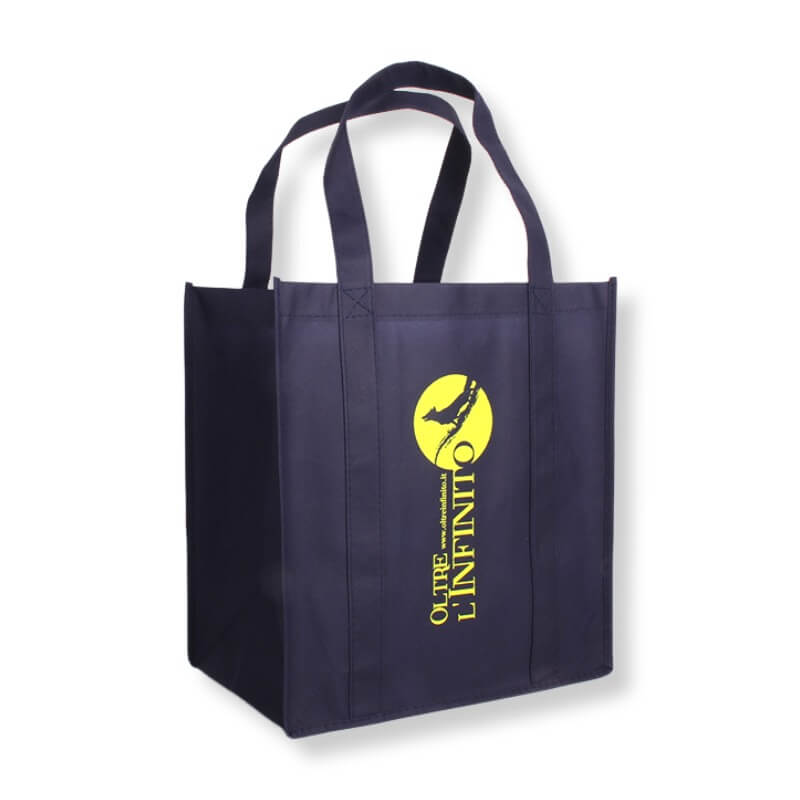
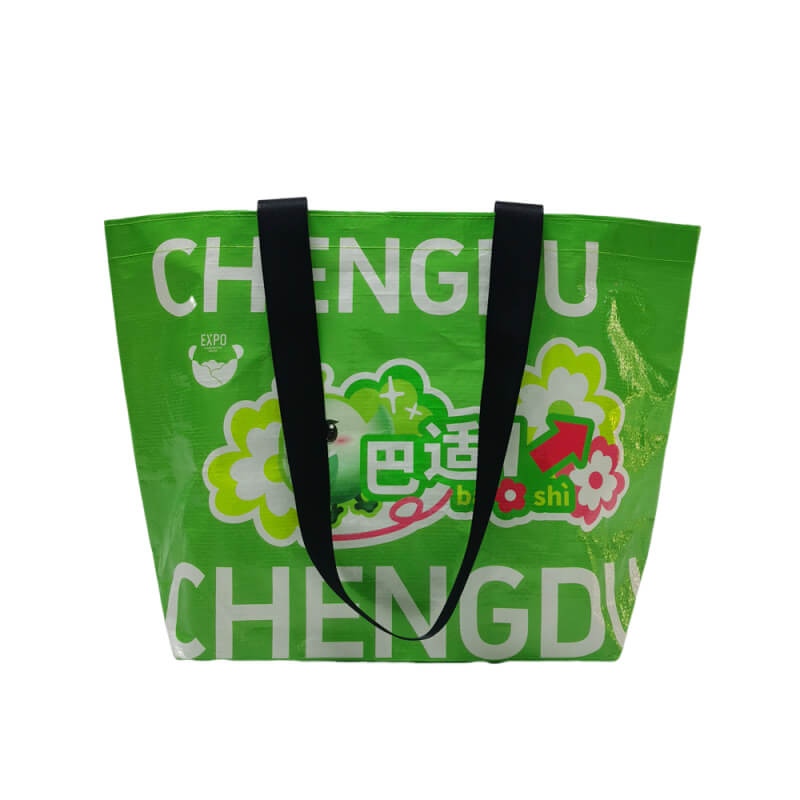
Non-woven bags aren’t just for grocery stores. They work everywhere:
- Retail & Shopping: Standard tote bags for department stores, boutiques, and supermarkets.
- Conferences & Events: Lightweight giveaways that attendees can stuff with brochures and samples.
- Pharmaceuticals: Die-cut handle bags for medicine deliveries.
- Promotional Kits: A cheap but effective way to distribute product samples or informational packets.
- Tourism & Hospitality: Souvenir bags for hotels, tourist attractions, or travel agencies.
How to Choose the Right Non-Woven Bag for Your Campaign
To get the most out of this workhorse, follow these three rules:
- Spec the right GSM: 80-100 GSM for standard use. 120+ GSM for a premium feel.
- Reinforce the handles: Ask for bar-tacked or heat-sealed handle attachments. This is where most failures happen.
- Invest in good printing: Use vector artwork and Pantone-matched colors for professional results.
The Bottom Line
Non-woven bags are the unsung heroes of the promotional products world. They’re affordable, customizable, durable, and versatile enough to work for almost any application. When specified correctly, they don’t look cheap – they look smart. And for budget-conscious marketers, that’s a winning combination.
At EcoPromoBags, we’ve manufactured millions of non-woven bags for clients across the globe. We know what works, what doesn’t, and how to get the best value for your budget. Whether you need 500 bags for a boutique hotel or 50,000 for a national campaign, we have the expertise and capacity to deliver.
Ready to unleash the potential of non-woven bags for your brand? Contact us today for samples and a customized quote. Let’s build a workhorse that works as hard as you do.