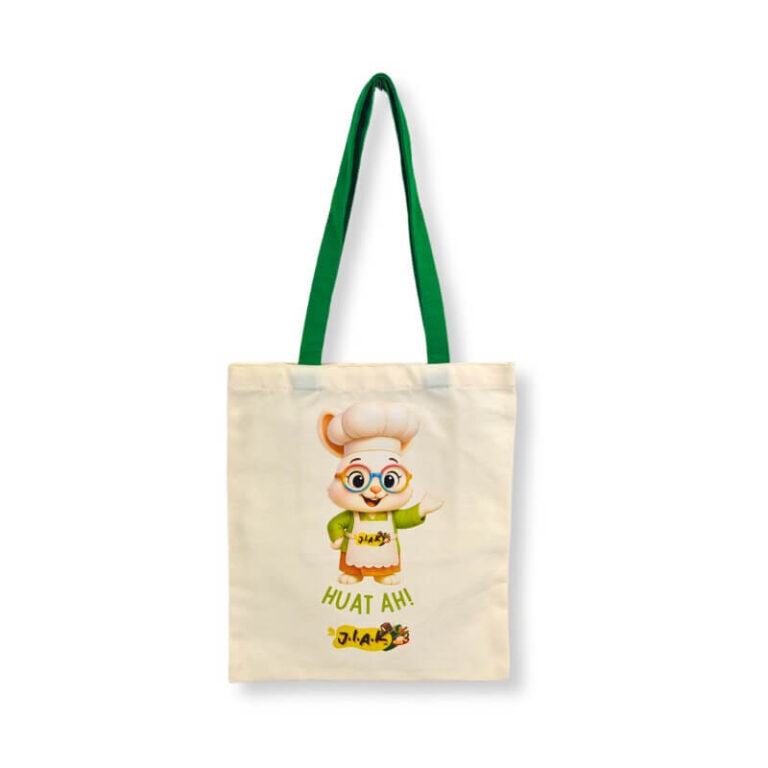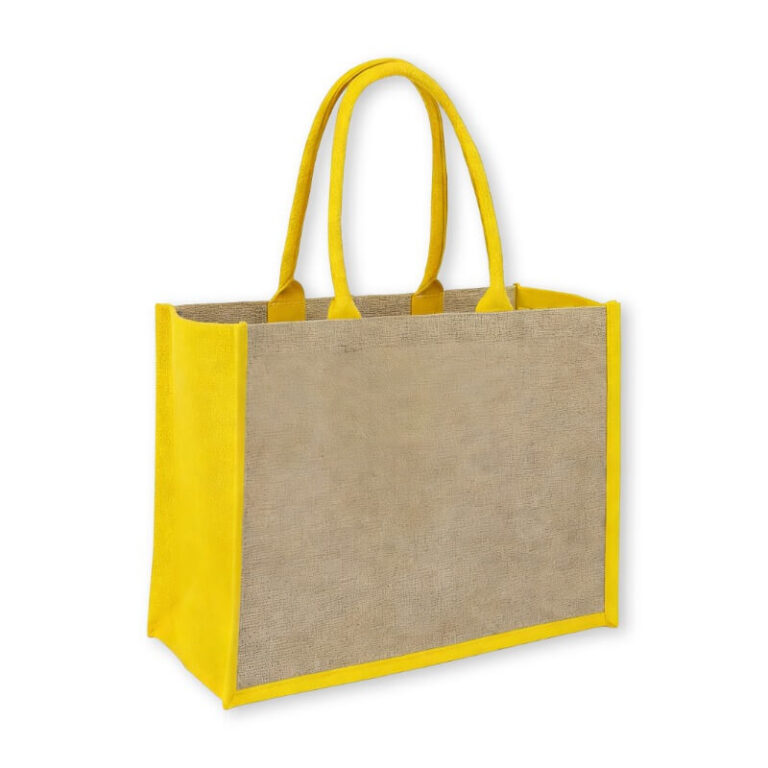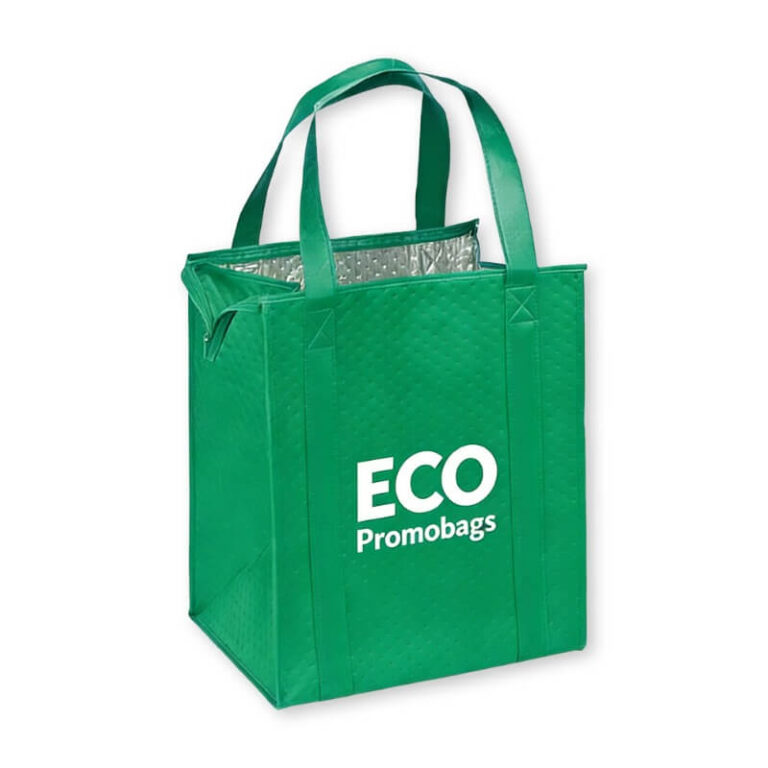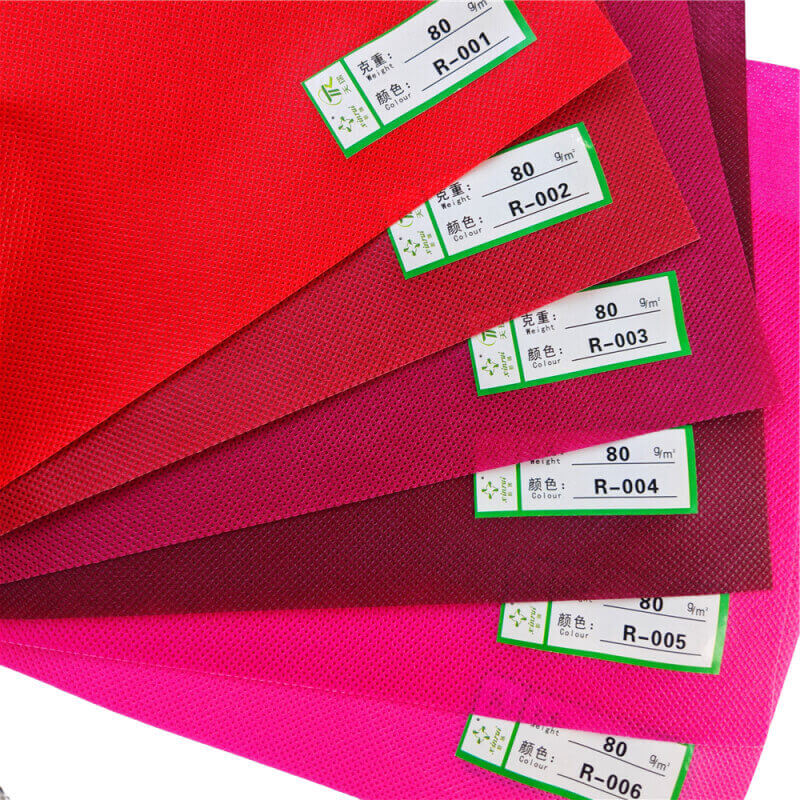
If you’ve ever sourced reusable shopping bags or promotional totes, you’ve definitely come across non-woven polypropylene (NWPP). It’s the go-to material for a reason: it’s affordable, durable, and fantastic for printing. But if you’ve ever felt confused by terms like “80 GSM” or “120 GSM” thrown around by suppliers, you’re not alone. That number isn’t just jargon—it’s the single most important factor determining your bag’s quality, feel, and cost. Let’s break it down so you can specify and order with total confidence.
GSM: The Simple Metric That Tells You Everything
First things first, GSM stands for Grams per Square Meter. It’s a universal measurement for fabric weight and density. Think of it like paper: copy paper is lightweight, while cardstock is heavy and stiff. It’s the same with non-woven fabric.
- A higher GSM means a heavier, thicker, more durable, and more rigid fabric.
- A lower GSM means a lighter, thinner, more flexible, and less durable fabric.
Knowing the GSM is your first defense against receiving flimsy bags that don’t match your quality expectations.
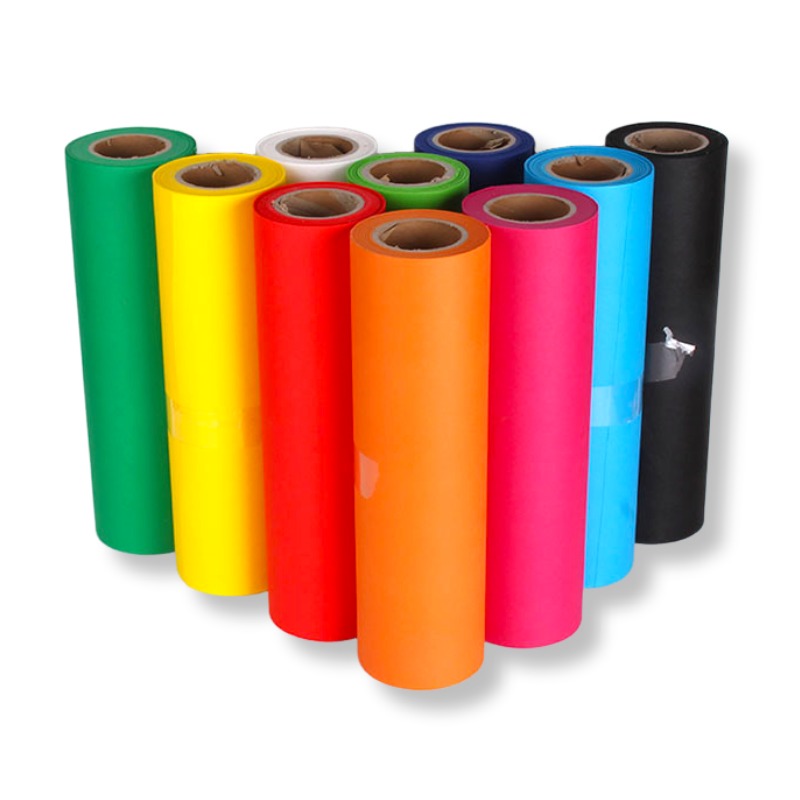

A Quick Guide to Common GSM Weights & Their Feel
Here’s a practical rundown of what to expect from different GSM ranges:
- 70-80 GSM: The budget basic. This is a lightweight, sometimes slightly see-through fabric. It’s suitable for short-term, single-use events where cost is the primary driver. Don’t expect it to hold heavy items or last for years. You’ll often find this in giveaway bags at conferences.
- 90-100 GSM: The sweet spot for standard promotion. This mid-range weight offers a good balance of durability, a quality “hand-feel,” and value. It’s sturdy enough for grocery runs, holds its shape well when printed, and provides a solid perceived value. This is our most requested weight for general custom promotional bags.
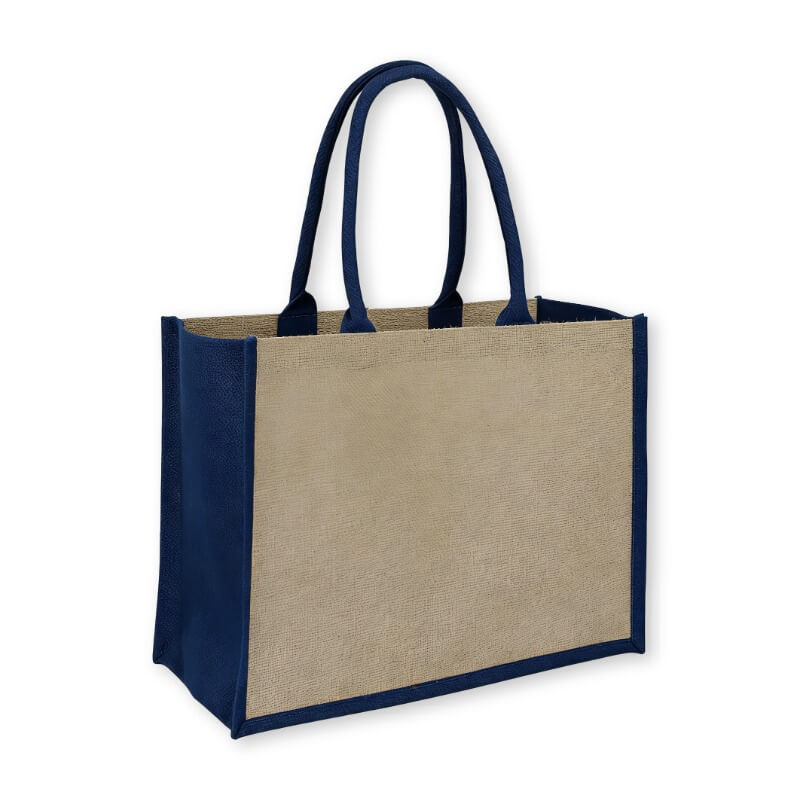
- 120-140 GSM: The premium heavyweight. This fabric feels substantial and luxurious. It’s highly durable, stands upright on its own, and can handle heavier items without strain. Bags made from this material are designed for long-term reuse and make a strong statement about your brand’s commitment to quality. Ideal for high-end retail or corporate gifts.
Beyond GSM: Other Factors That Influence Quality
While GSM is king, a few other things impact the final product:
- Material Composition: Virgin polypropylene pellets typically produce a brighter white and stronger fabric than recycled/reprocessed material, which can have a slightly off-white tint and may be slightly less strong at the same GSM.
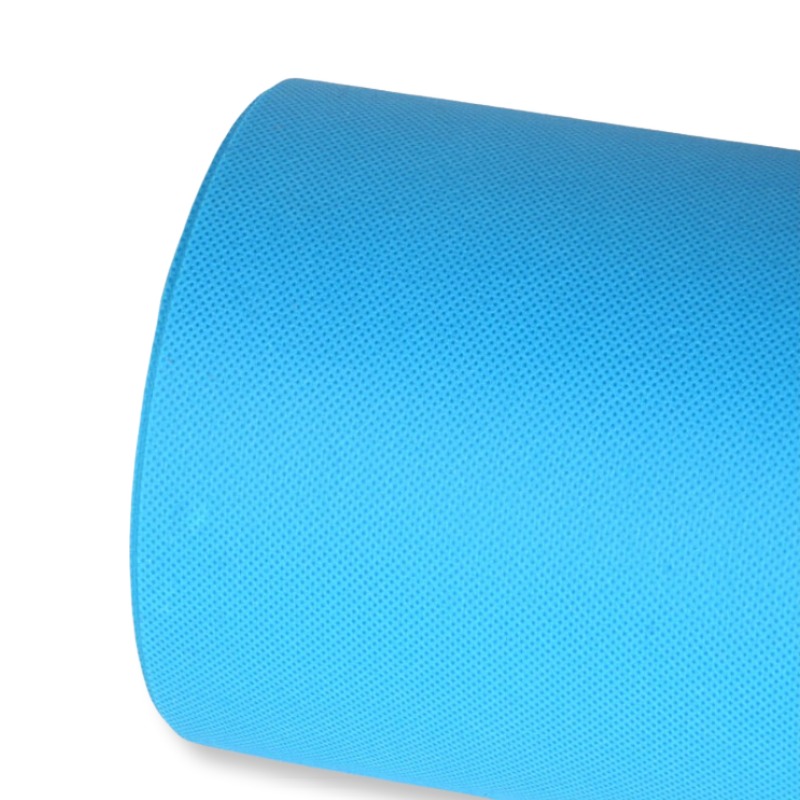
- Manufacturing Process: The way the fibers are bonded (e.g., spunbond) affects the texture and strength. A consistent, smooth laminate coating on the surface is crucial for vibrant, high-definition printing.
- Reinforcements: Stress points like the bag bottom and handle attachments often need reinforcement patches (often in a higher GSM) for longevity, especially on heavier-duty bags.

Matching GSM to Your Project’s Purpose
Choosing the right weight isn’t about picking the highest number; it’s about strategic alignment.
- Choose 80 GSM for: High-volume, low-cost giveaways, event swag bags meant for short-term use, or interior packaging.
- Choose 100 GSM for: Reliable retail shopping bags, standard corporate promotions, trade show giveaways where you want a bag to be used multiple times, and most custom logo bag projects.
- Choose 120+ GSM for: Premium corporate gifts, boutique retail packaging, bags intended for heavy-duty use (like library or beach bags), or any project where making a top-tier impression is critical.
Why This Matters When You Source Directly
As a factory, we see the direct correlation between material specification and client satisfaction. Understanding GSM empowers you to:
- Communicate Clearly: You can specify exactly what you need, preventing misunderstandings.
- Compare Quotes Accurately: A quote for 80 GSM bags shouldn’t be compared to one for 120 GSM. Now you’ll know why prices differ.
- Control Value: You decide where to save and where to invest in quality, optimizing your budget for the intended use.
Need Expert Guidance on Your Material Choice?
Don’t get lost in the specs. We help our clients select the perfect non-woven polypropylene fabric—balancing weight, quality, and cost—for every unique project. Request free material swatches to feel the difference for yourself, or contact our team to discuss the optimal GSM for your upcoming custom bag order. Let’s build a bag that feels as good as it looks.