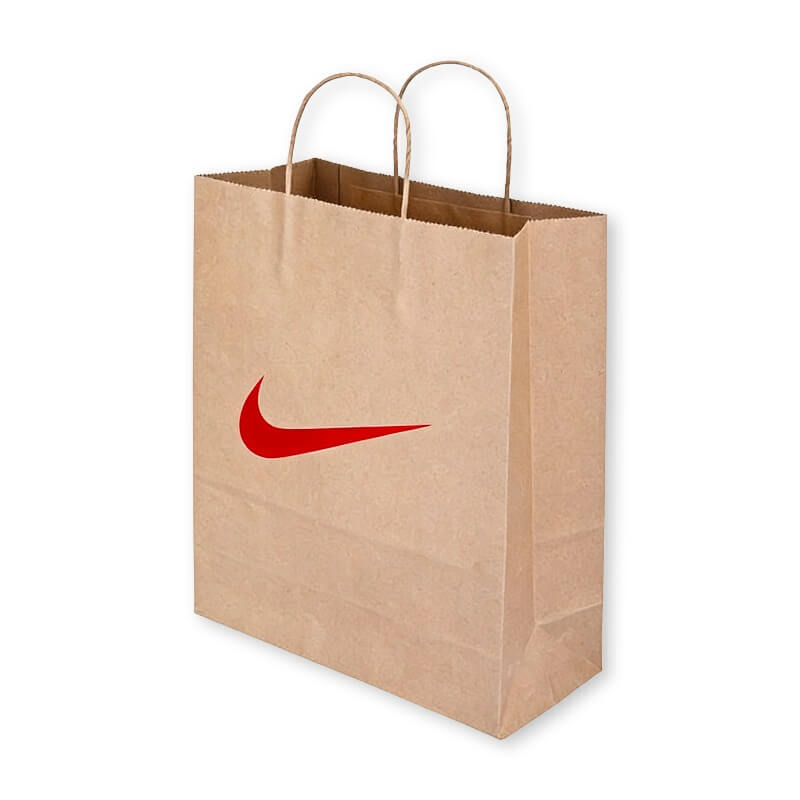
Kraft paper bags are everywhere. From your local bakery to high‑end retail stores, they’ve become the poster child for eco‑friendly packaging. But if you’re a buyer sourcing these for your business, you’ve probably run into confusing terms: What does “GSM” mean? Is a coated bag still recyclable? Why do some kraft bags feel waxy and others like cardboard(popularization of science-kraft paper bags recyclability weight coatings)?
As a manufacturer who produces thousands of kraft paper bags every month, I’ll walk you through the three most important things you need to understand: recyclability, weight, and coatings. By the end, you’ll know exactly what to ask for (and what to avoid) when ordering your next batch.
1. Recyclability: The Good, The Bad, and The Confusing
First, the good news: kraft paper itself is highly recyclable. It’s made from wood pulp, and most recycling facilities accept it along with other paper products. However – and this is a big “however” – recyclability depends entirely on what you add to the paper.
- Uncoated kraft paper bags: Fully recyclable and compostable. No plastic, no wax, no glue. These are the gold standard for sustainability.
- Water‑based coated bags: Some coatings are designed to break down in the paper recycling stream. Look for terms like “repulpable” or “water‑soluble.”
- Plastic‑lined or laminated bags: Here’s the problem. Many kraft bags meant for wet or greasy food (think burger wrappers or frozen food bags) have a thin plastic layer inside. That layer makes the bag non‑recyclable through standard paper recycling. The plastic contaminates the paper pulp.
Pro tip for buyers: If recyclability is a priority, ask your supplier: “Is this bag 100% paper, or does it contain any plastic or wax coating?” Get it in writing. And look for certifications like FSC (responsible forestry) and recycling symbols.
2. Weight (GSM): Why It Matters More Than You Think
GSM stands for grams per square meter. It tells you how thick and sturdy the paper is. Choose the wrong GSM, and your bag will either fall apart under a light load or cost too much for what you need.
Here’s a simple breakdown:
| GSM Range | Feel & Strength | Best Uses |
|---|---|---|
| 40–60 GSM | Thin, lightweight, almost like newspaper | Very light items: a single pastry, a small gift, or as a secondary bag inside another bag |
| 70–100 GSM | Standard shopping bag weight – holds a few pounds without tearing | Retail, takeout, small product packaging, event giveaways |
| 110–150 GSM | Thick, sturdy, premium feel – holds heavy items like bottles or books | High‑end retail, wine bags, grocery stores, hardware items |
| 150+ GSM | Heavy‑duty, almost like thin cardboard | Industrial packaging, bulk goods, luxury gifts |
If you’re ordering for a typical coffee shop or clothing boutique, 80–100 GSM is the sweet spot. It’s affordable, durable enough for daily use, and feels quality without being overkill.
3. Coatings: Friend or Foe?
Coatings serve a purpose: they make kraft paper resistant to grease, water, and moisture. But they come with trade‑offs. Here are the most common types you’ll encounter:
- No coating (natural kraft): Best for dry goods like bread, dry cleaning, or paper products. Fully recyclable. Not suitable for anything wet or greasy.
- Wax coating: Old‑school. Provides decent moisture resistance but is difficult to recycle. Most recyclers reject waxed paper because the wax clogs equipment. Not recommended if sustainability is your goal.
- PE (polyethylene) coating: A thin plastic layer inside the bag. Excellent for hot, greasy, or wet food (think french fries or frozen vegetables). However, these bags cannot go into standard paper recycling. Some specialised facilities exist, but they’re rare.
- Water‑based/acrylic coating: A newer alternative. These coatings create a barrier without plastic, and many are “repulpable” – meaning they can be recycled with normal paper. They cost a bit more, but for brands serious about circularity, they’re the best option.
What about the brown “kraft” color? That’s natural, unbleached paper. It requires less chemical processing than white paper, making it the more eco‑friendly choice. If you absolutely need white for branding, look for “chlorine‑free bleaching” to minimize environmental harm.

How to Choose the Right Kraft Paper Bag for Your Business
Start by answering three questions:
- What are you putting inside? Dry, lightweight items can use lower GSM and no coating. Wet or heavy items need higher GSM and possibly a water‑resistant coating.
- What are your sustainability claims? If you market your packaging as “eco‑friendly,” avoid PE coatings. Use uncoated or water‑based coated options, and be transparent about recycling instructions.
- What’s your budget? Higher GSM and specialty coatings increase cost. Sometimes a well‑designed, uncoated 80 GSM bag with a reinforced bottom is all you need.
Real‑World Tip: Test Before You Order
Always request a physical sample and put it through a simple test. Fill the sample bag with the actual items you plan to carry. Walk around with it for 10 minutes. Does the bottom hold? Does grease seep through? Is the handle comfortable? A $5 sample can save you thousands on a bad batch.
The Bottom Line
Kraft paper bags are a fantastic packaging choice when you understand their limits. For dry, lightweight products, go with uncoated, 80‑100 GSM natural kraft – it’s cheap, green, and works great. For wet or heavy items, consider a water‑based coating or accept that you may lose some recyclability. And always, always know your GSM.
Need expert advice on your next kraft paper bag order? At EcoPromoBags, we stock a range of weights and coatings, and we can help you match the perfect bag to your product. Contact us today for samples, quotes, and honest recommendations – no greenwashing, just practical solutions.