If you’re new to sourcing custom bags, the jargon can feel overwhelming. GSM, die-cut, gusset, RPET, Pantone – it’s like learning a foreign language. But don’t worry. I’ve been in this industry for years, and I’ve seen countless buyers get tripped up by terminology. Understanding the language isn’t just about sounding smart; it’s about getting exactly what you need and avoiding costly mistakes.
Consider this your custom bags glossary – a plain-English guide to the most common materials, printing methods, and industry terms. Bookmark it, share it with your team, and refer to it whenever you’re reviewing quotes or samples.
Materials: What Are Bags Made Of?
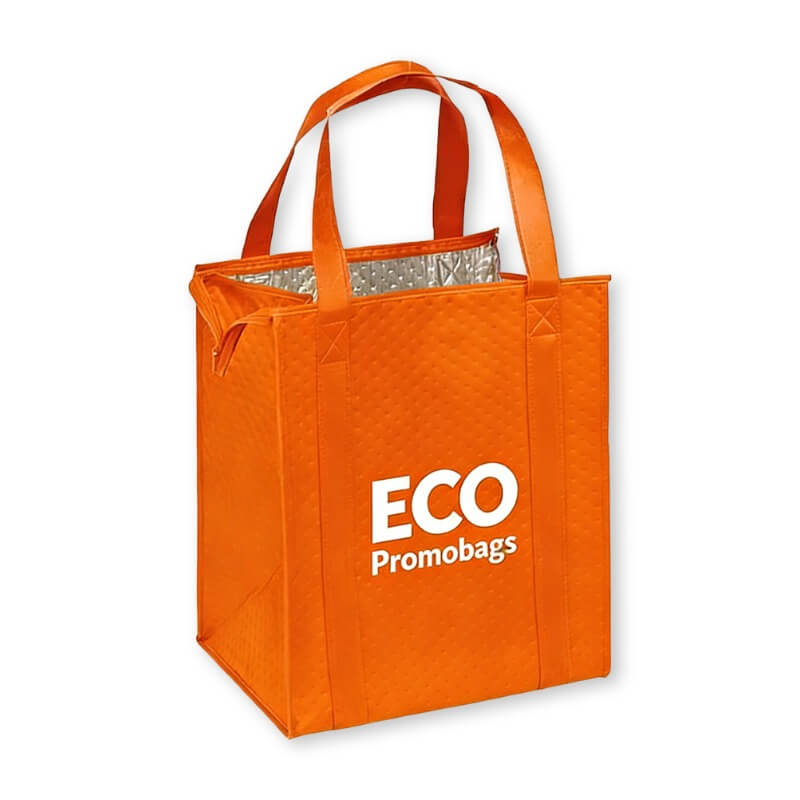
Non-Woven Polypropylene (PP)
The most common material for promotional bags. Made by bonding polypropylene fibers together using heat or pressure. Lightweight, water-resistant, and takes printing well. Available in different weights (GSM). Cost-effective for bulk orders.
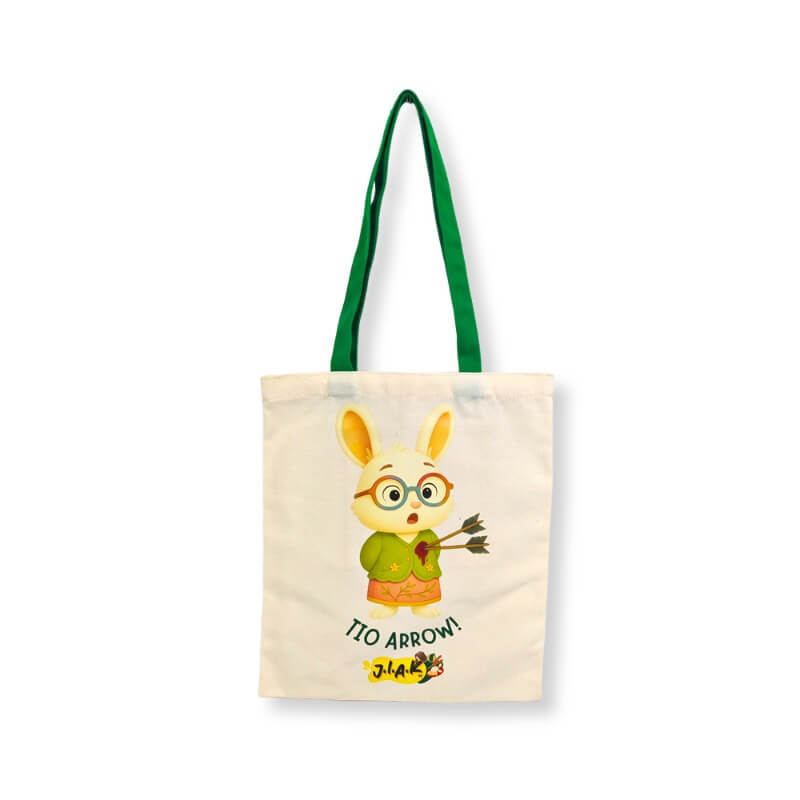
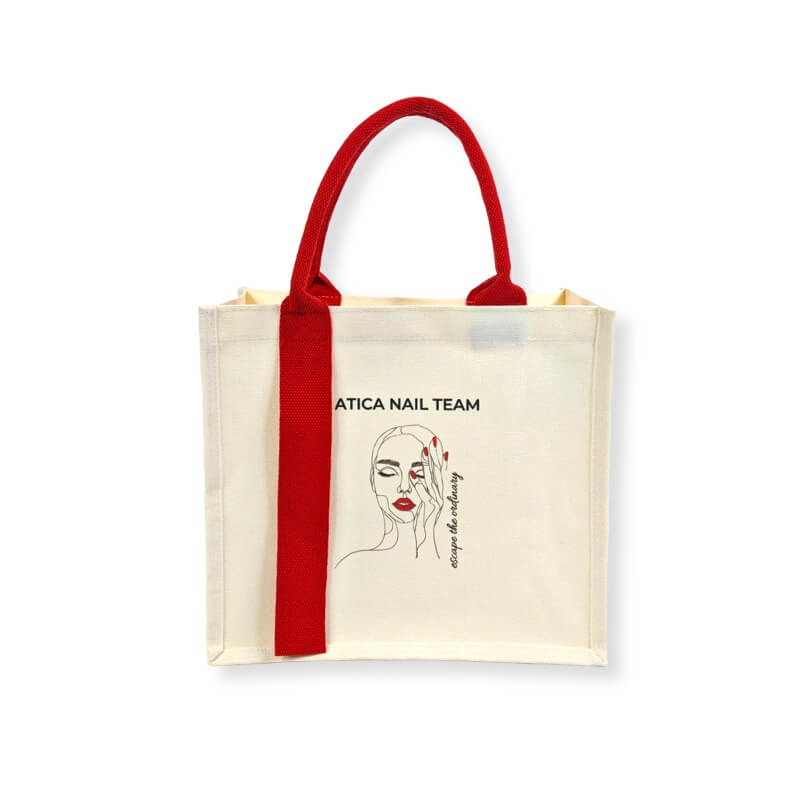
Canvas
A heavy, durable woven fabric – usually cotton or cotton-polyester blend. Thicker and stronger than non-woven. Has a premium, natural feel. Takes screen printing and embroidery beautifully. Good for high-end retail or corporate gifts.
Cotton
Natural, breathable, and soft. Usually lighter and less rigid than canvas. Popular for grocery totes and casual giveaways. Can be organic or conventional. Machine washable but wrinkles easily.
Jute
A coarse, natural fiber from the jute plant. Has a rough, rustic texture. Highly sustainable – grows quickly with minimal water and no pesticides. Best for brands wanting an earthy, artisanal look. Not ideal for fine detail printing.
Hemp
Similar to jute but stronger and more durable. Made from the Cannabis sativa plant. Extremely sustainable – grows fast, needs little water, no pesticides. Has a natural, slightly textured appearance. Excellent for long-lasting, eco-friendly branding.
RPET (Recycled Polyethylene Terephthalate)
Made from recycled plastic bottles. Essentially recycled polyester. Used to make fabric for bags. Looks and feels similar to virgin polyester but with a much lower environmental footprint. Look for GRS certification to verify recycled content.
Kraft Paper
Unbleached paper made from wood pulp. Natural brown color (or bleached white). Comes in different weights (GSM). Usually coated or uncoated. Recyclable and compostable when uncoated. Popular for retail and food packaging.
Oxford Fabric
A type of woven nylon or polyester fabric with a basket-weave texture. Often used for cooler bags and backpacks. Durable, water-resistant, and takes printing well. Common deniers: 210D, 420D, 600D, 1680D (higher = thicker).
Printing Methods: How Logos Go on Bags
Screen Printing
The most common method for promotional bags. A stencil (screen) is created for each color, and ink is pushed through onto the fabric. Best for simple, bold designs with limited colors. Cost-effective for large quantities. Durable and vibrant.
Digital Printing
Like a giant inkjet printer. Applies ink directly from a digital file. Ideal for complex, full-color designs, gradients, or photographs. No setup fees, making it good for small orders. Lower per-unit cost for small quantities; higher cost than screen printing for large runs.
Heat Transfer
A design is printed onto transfer paper, then applied to the fabric using heat and pressure. Works well on polyester and many synthetic fabrics. Good for detailed, multi-color designs. Soft hand-feel (the print becomes part of the fabric).
Embroidery
Stitching a design directly into the fabric using thread. Best for premium bags like canvas or cotton totes. Creates a textured, high-end look. More expensive than printing and limited in color complexity. Lasts forever.
Debossing/Embossing
Debossing presses a design into the fabric, creating an indentation. Embossing raises the design above the surface. No ink or thread. Gives a subtle, sophisticated, luxury feel. Often used on leather or heavy paper/cardboard.
Foil Stamping
Heat and pressure apply a metallic or pigmented foil to the bag. Creates a shiny, eye-catching effect (gold, silver, or custom colors). Often used on paper bags or premium canvas. Adds a luxury feel.


Key Industry Terms You Need to Know
GSM (Grams per Square Meter)
Measures fabric weight. Higher GSM = thicker, sturdier, more premium fabric. Lower GSM = thinner, lighter, cheaper. For non-woven: 80 GSM is standard, 100 GSM is good, 120+ GSM is premium. For paper: 80-100 GSM is light, 120-150 GSM is heavy.
Gusset
The expandable side or bottom panel of a bag that gives it depth. A bag with a gusset can hold more and stand up on its own. Common sizes: 2″ to 6″ gusset. A “flat” bag has no gusset.
Die-Cut
A bag shape cut using a metal die (a specialized cutting tool). Allows for custom shapes, not just standard rectangles. Common for paper bags and some non-woven totes. Incurs a tooling fee.
MOQ (Minimum Order Quantity)
The smallest number of units a factory will produce for you. Varies by factory and product. Non-woven bags often have MOQs of 1,000-5,000 units. Higher MOQ usually means lower per-unit cost.
Pantone Matching System (PMS)
A standardized color system used in printing. Each color has a unique code (e.g., “Pantone 2945C”). Specifying PMS ensures consistent color reproduction across different materials and factories.
Bleed
When a print design extends beyond the cut edge of the bag. Prevents white borders. Essential for full-cover prints. Add a few millimeters of bleed to your artwork.
BSCI (Business Social Compliance Initiative)
An ethical auditing standard. Factories with BSCI certification meet labor rights, safety, and environmental standards. Important for brands selling in Europe or with strong CSR policies.
GRS (Global Recycled Standard)
Certification verifying recycled content in a product. Tracks the entire supply chain from raw material to finished goods. Requires at least 20% recycled material for certification (higher tiers for more).
FSC (Forest Stewardship Council)
Certification for paper products from responsibly managed forests. Ensures sustainable forestry practices. Look for FSC on kraft paper bags and cardboard packaging.
Incoterms (International Commercial Terms)
Shipping rules defining who pays for what. Common terms:
- FOB (Free On Board): Supplier covers cost to the origin port; buyer covers freight, insurance, and import duties.
- EXW (Ex Works): Buyer handles everything from the factory door.
- DDP (Delivered Duty Paid): Supplier covers all costs including delivery to buyer’s door (highest cost).
Pre-Production Sample (PPS)
A physical sample made to your exact specs before mass production. Essential for approval. Costs $50-$150. Always order one before committing to bulk.
Pre-Shipment Inspection (PSI)
A quality check performed on finished goods before shipping. Often done by an independent third party. Checks dimensions, printing, stitching, and packaging.
The Bottom Line
Ordering custom bags doesn’t have to be confusing. Once you understand the basic vocabulary, you can communicate clearly with suppliers, compare quotes fairly, and get exactly what you need – no surprises, no misunderstandings.
At EcoPromoBags, we believe in transparency. We take the time to explain every term, every option, and every cost. No jargon, no pressure.
Still have questions? Contact us today. We’re here to help you navigate your first order – or your hundredth – with confidence.