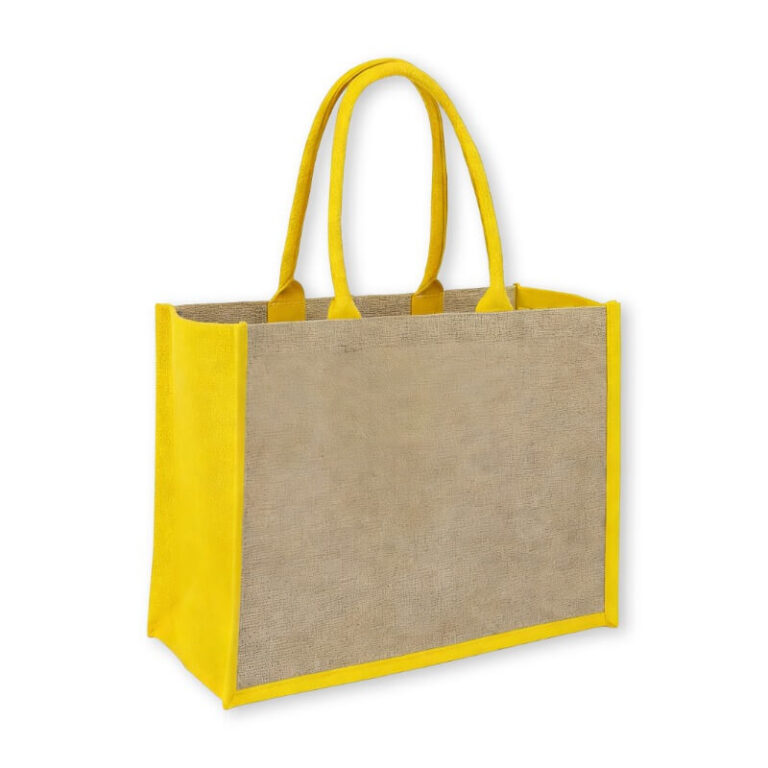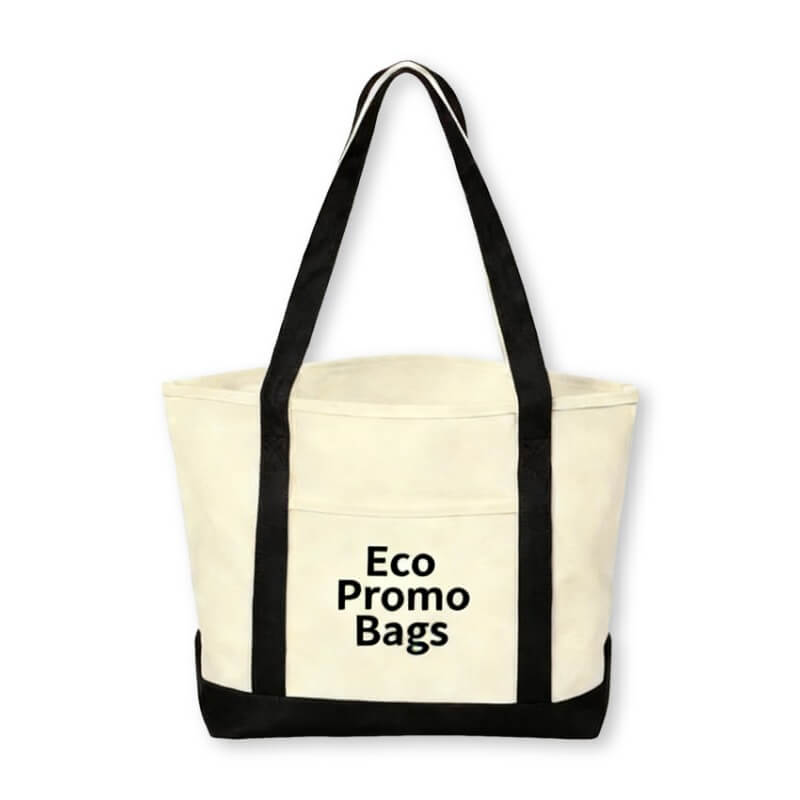
So you’ve nailed down your bag design—colors are picked, logo is sharp, everything is ready. Then comes the crucial, and often confusing, production question: how should we actually print this? For most custom bags, the debate boils down to two heavyweight contenders: traditional screen printing and modern digital printing.
Choosing the wrong method can mean blowing your budget, compromising your design, or ending up with a product that doesn’t meet your quality expectations. As a factory that runs both processes daily, let’s cut through the noise and break down the real-world pros, cons, and best uses of each. This isn’t about which is objectively better, but which is better for your specific project.
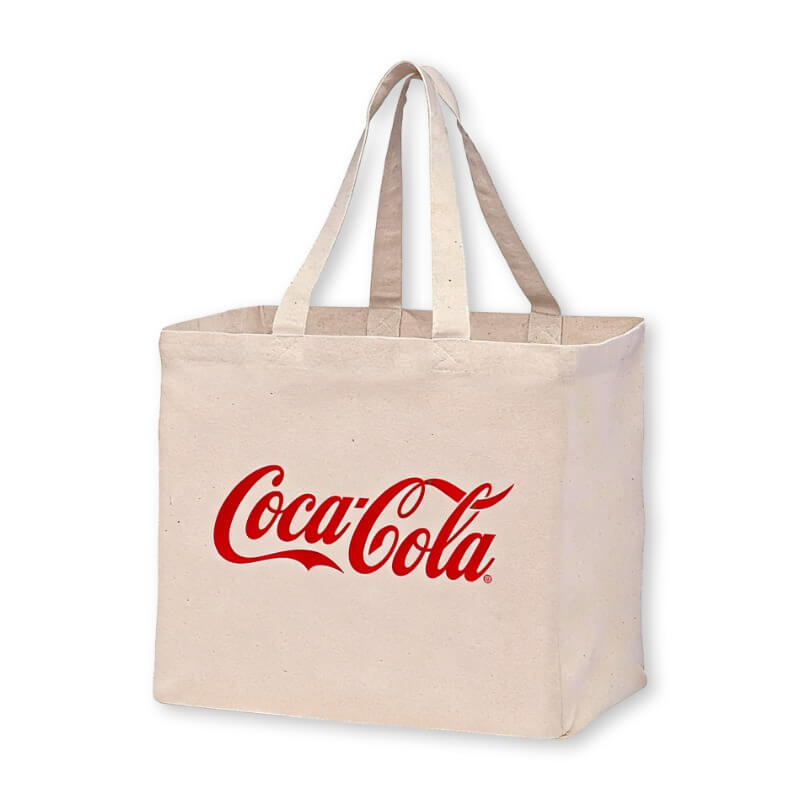
Round 1: Screen Printing – The Time-Tested Workhorse
How it works: Think of it like a sophisticated stencil. A separate mesh screen is created for each color in your design. Ink is pushed through these screens onto the fabric, one color at a time, building up the final image.
The Good Stuff:
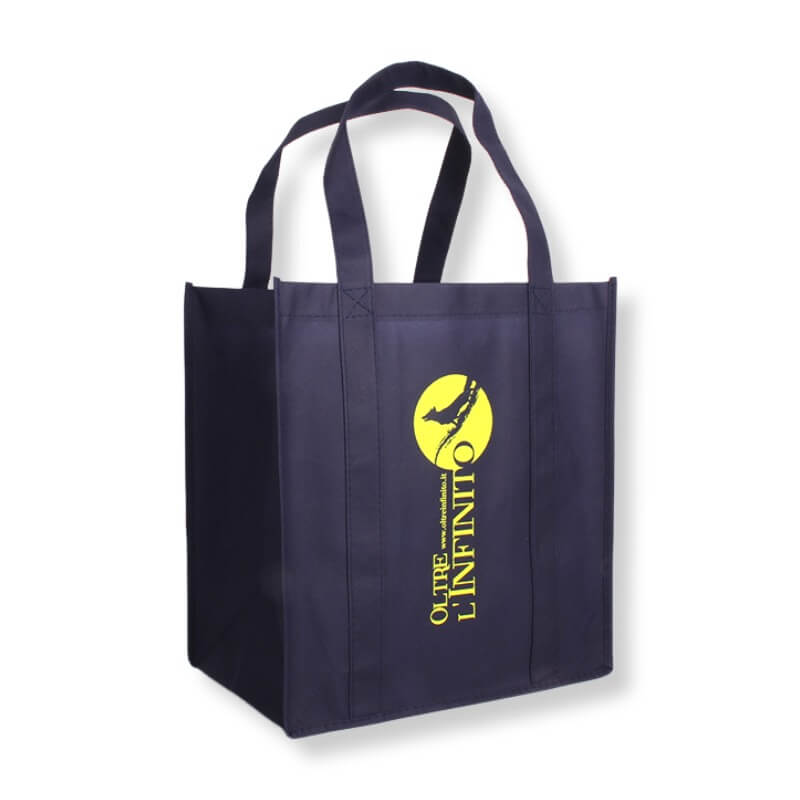
- Unbeatable Durability: The ink sits on top of the fabric in a thick, opaque layer. This creates a print that can handle serious wear, tear, and washing, especially on materials like canvas and non-woven.
- Vibrant, Bold Colors: It uses plastisol or water-based inks that deliver rich, saturated color, especially on darker fabrics. Want a bright white logo on a black canvas tote? Screen printing is your champion.
- Cost-Effective at Scale: The per-bag price drops significantly with higher quantities. Once the screens are made (a fixed upfront cost), running thousands of bags is very efficient.
The Trade-offs:
- Higher Upfront Cost: Creating screens for each color adds initial setup costs and time.
- Not for Complex Art: Designs with gradients, photographs, or a rainbow of colors are impractical and prohibitively expensive, as each shade needs its own screen.
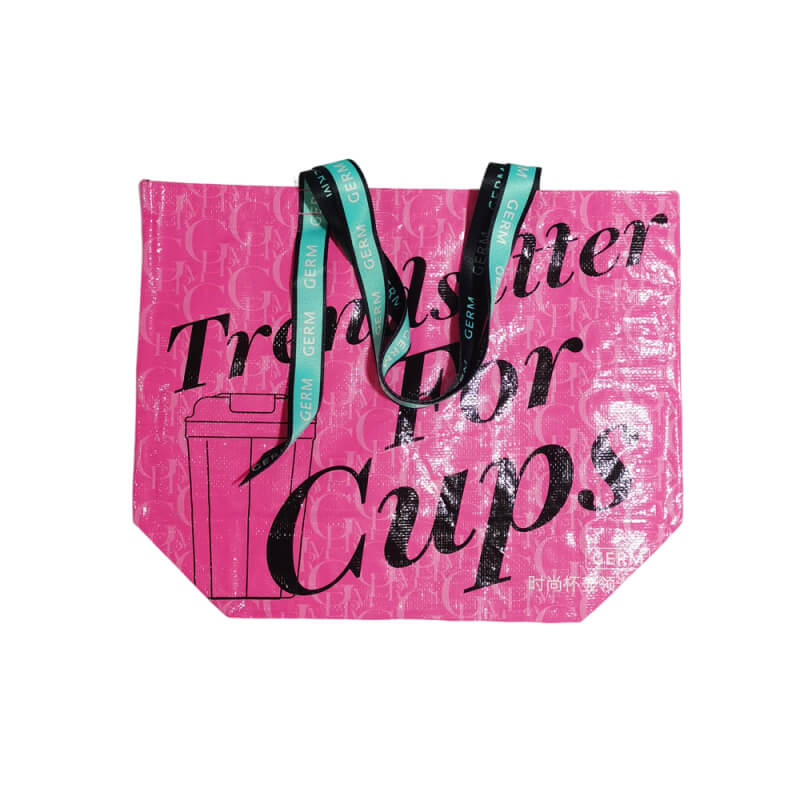
Round 2: Digital Printing – The Flexible Modern Artist
How it works: Imagine a giant, high-precision inkjet printer. It applies ink directly onto the bag’s surface from a digital file, allowing for full-color printing in a single pass.
The Good Stuff:
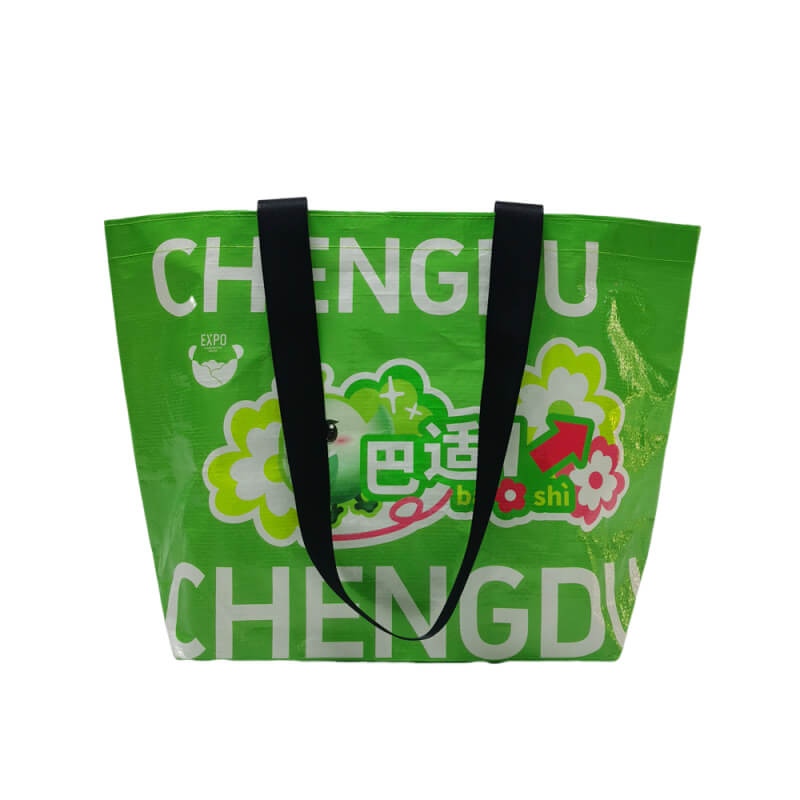
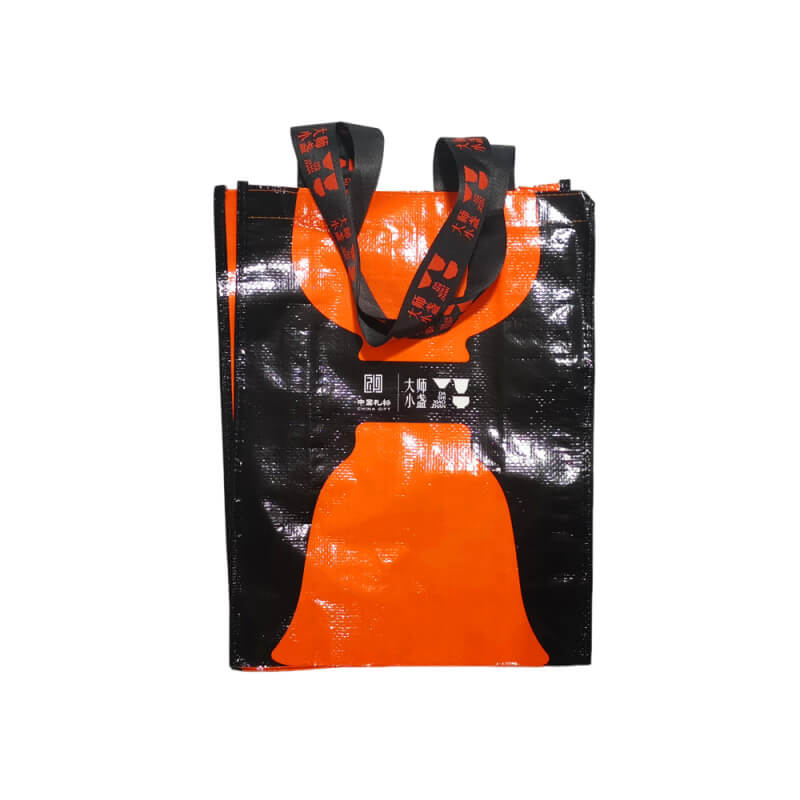
- No Limits on Complexity: This is its superpower. Photographs, intricate illustrations, gradients, and unlimited colors are all reproduced with stunning detail. It’s perfect for transferring a digital design exactly as you see it on screen.
- Low Minimums, Zero Setup: No screens mean no setup fees. This makes it ideal for small-batch orders, prototypes, and samples. You can order 50 bags as easily as 5,000.
- Softer Hand-Feel: The ink tends to soak into the fabric more, resulting in a print that feels more like part of the material rather than a layer on top.
The Trade-offs:
- Higher Per-Unit Cost on Large Runs: While setup is cheap, the cost per bag doesn’t decrease as dramatically as with screen printing. For a 10,000-piece order of a simple 2-color design, screen printing will almost always be cheaper.
- Material Limitations: It works brilliantly on cotton, polyester, and treated non-wovens, but can be trickier on very textured or highly waterproof materials.
- Durability Can Vary: While technology has improved massively, very heavy abrasion over time can sometimes affect digitally printed areas differently than screen printed ones.
The Decision Matrix: Which Method Wins for You?
Stop thinking about “better” and start asking these questions:
- What’s my design like?
- Simple & Bold (1-4 spot colors): Go Screen Printing.
- Complex & Full-Color (photos, gradients): Go Digital Printing.
- How many bags am I ordering?
- Large Quantity (5,000+): Lean Screen Printing for cost efficiency.
- Small/Medium Batch (50 – 3,000): Digital Printing is likely your best bet.
- What’s the bag’s material and purpose?
- Heavy-Duty Canvas/Cordura for daily use: Screen Printing for rugged durability.
- Event Tote or Fashion Bag with detailed art: Digital Printing for visual impact.
- Sample/Prototype for approval: Digital Printing, no question.
The Hybrid Solution (Our Secret Weapon)
Sometimes, the best answer is both. We often execute hybrid jobs: using screen printing for large, bold background elements and digital printing to overlay intricate detail or photographic elements. This combines durability with creative freedom.
Still Unsure? Talk to Your Printer Early.
The single best piece of advice? Involve your manufacturer in the design conversation before your artwork is final. A good factory (like ours) can advise you on how to adapt a design to be more screen-print friendly to save costs, or confirm that your vision is perfect for digital.
Ready to Print with Confidence?
We’re here to be your guide, not just your supplier. Send us your design and project details, and we’ll provide a transparent recommendation on the optimal printing method for your custom bags, along with a precise quote. Let’s get your brand looking its absolute best.