
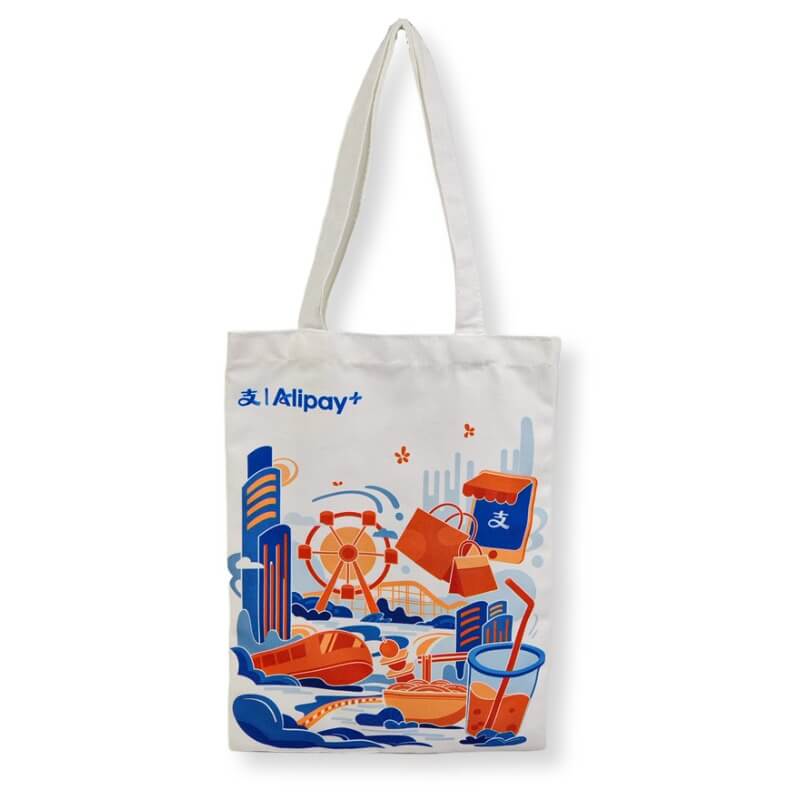
You ordered 5,000 custom totes for last year’s trade show, and 2,000 are still sitting in your warehouse. Or maybe your branding has updated, and your old bag stock now feels outdated. Whatever the reason, you’re stuck with a pile of usable bags that don’t fit your current campaign. Throwing them away feels wasteful—and expensive. But what if you could turn that old inventory into a fresh marketing opportunity?
The good news: you absolutely can. With a little creativity and some strategic thinking, you can repurpose promotional bags for a new campaign, saving your budget and reducing waste at the same time. Let me walk you through practical, proven strategies to give your old bags a second life.
Why Repurpose? The Business Case
First, let’s talk numbers. If you have 2,000 unused bags that cost $2 each, you’re sitting on $4,000 of tied-up capital. Simply discarding them means losing that investment. Even donating them (while generous) doesn’t generate any marketing return. Repurposing, however, can turn that sunk cost into a new campaign asset. You save on ordering new bags, reduce storage space, and generate fresh brand impressions. And there’s a sustainability story here too—customers appreciate brands that avoid waste.
Strategy 1: Add a New Print or Overlay
This is the most straightforward approach. If your old bags are blank or have a simple print, you can add a new layer of branding.
- Screen Print Over Existing Design: If the old print is small or placed on one side, you can add a new campaign slogan, event date, or QR code on the other side or on the handle. Just make sure the new ink doesn’t clash or overwhelm the old design.
- Heat Transfer Patches: Order custom woven or embroidered patches with your new campaign message. Iron or sew them over the old logo or on a blank area. Patches look intentional and add a premium, collector’s feel.
- Direct-to-Garment (DTG) or Digital Overprint: For a small quantity with complex new designs, some digital printers can print directly over existing fabric, provided the old print isn’t too raised or glossy.

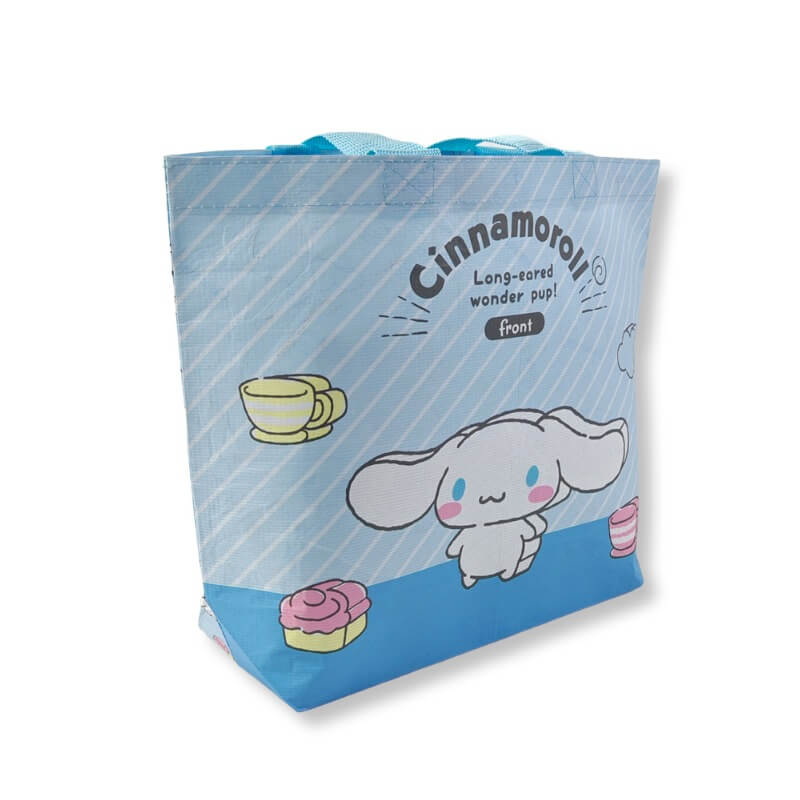
Strategy 2: Rebrand with Hang Tags, Stickers, or Labels
If adding new ink isn’t feasible, attach your new branding externally.
- Hang Tags: A well-designed hang tag tied to the handle with a string or a branded elastic band can carry your new campaign message, a QR code, and even a “why we upcycled” story. This works beautifully for retail bags.
- Stickers or Labels: Apply a high-quality, die-cut sticker with your new logo over the old one. Vinyl stickers look professional and last long. You can even create a series of “limited edition” labels to make the repurposing seem intentional.
- Woven Labels: Sew a new woven label over the old brand mark. This costs a bit more but feels permanent and premium.
Strategy 3: Change the Bag’s Purpose (Reimagine the Use)
Sometimes the best way to repurpose is to change what the bag is for.
- From Shopping Tote to Event Gift Bag: If the old print is generic, use the bag as a gift bag for a new event or employee appreciation package. Fill it with small branded goodies and present it as a “special edition” kit.
- From Bulk Giveaway to Retail Merchandise: If the bag quality is good, sell it at a discount in your store or at events as a “vintage” or “archival” item. Limited runs and retro designs are surprisingly popular.
- From Consumer Bag to Employee/Internal Use: Rebrand the bags as internal staff gifts, uniform items, or packaging for internal mail and supplies. This builds internal brand pride without needing customer-facing perfection.
Strategy 4: Partner with Other Brands
If your bag stock features your logo prominently, a direct rebrand might not be possible. But you can still create value through collaboration.
- Co‑branding: Approach a non‑competing brand (e.g., a local coffee roaster if you’re a bookstore) and propose a co‑branded campaign where you both put your stickers on the bags. Each bag then advertises both brands.
- Charity Bundles: Partner with a local food bank or shelter. Fill the bags with basic necessities (soap, snacks, hand sanitizer) and donate them. Your brand gets goodwill publicity, and the charity gets sturdy carriers. This works especially well if your old bags are high quality.
Strategy 5: Host a “Bring Your Own Bag” Contest
Engage your audience directly. Announce a contest: “Bring your old [Your Brand] bag to our store/event and get a special gift/discount.” Collect the bags, and then donate them (after re‑cleaning) to community organizations. You get foot traffic, the bags get a second purpose, and you control the narrative.

What About Quality? Know When to Retire
Not every bag is worth repurposing. If the handles are fraying, the print is peeling, or the fabric is stained or sun‑damaged, recycling or upcycling into cleaning rags or insulation material might be the smarter, greener choice. Assess each batch honestly.
Practical Checklist Before Starting
- Quantity & Condition: How many bags do you have, and what’s their current state?
- What’s the Old Branding? Large vs. small, dark vs. light, screen print vs. digital.
- New Campaign Goal: Awareness? Sales? Event traffic? This determines the best strategy.
- Budget: Adding new prints costs money. Compare the cost against ordering new bags.
- Storytelling: Can you turn the repurposing into a compelling “sustainability” narrative for your audience?
The Bottom Line
Old promotional stock isn’t a liability—it’s an opportunity. With creative repurposing, you can save money, reduce waste, and even build a stronger brand story. The key is planning: know your inventory, choose a strategy that fits your goals, and execute with care so the final product looks intentional, not leftover.
At EcoPromoBags, we can help you assess your old inventory and recommend practical, cost‑effective ways to give it a fresh start. Contact us today for a consultation. Your old bags might just become your next campaign’s unsung hero.


