Walk into a retail store anywhere in Europe today, and you’ll notice a shift. The thin plastic bag that once hung by the register is gone. In its place: a sturdier carrier, often made of non woven fabric, canvas, or paper. Some stores give them away. Others charge a small fee. But behind that simple change lies a much larger transformation in how retailers think about sustainable retail packaging.
The question is no longer “should we offer reusable bags?” It’s “how do we choose the right one, and how do we make it work for our brand and our customers?” That’s a conversation worth having, because reusable shopping bags are not just a compliance checkbox. When done well, they become a genuine asset for retail brands—cutting waste, building loyalty, and even generating revenue.
Let me walk you through what makes a reusable bag actually sustainable, what materials work best, and how to avoid the trap of greenwashing.
Why Reusable Shopping Bags Are More Than a Trend
The regulatory push is real. Across the EU, single-use plastic bags are restricted. The Packaging and Packaging Waste Regulation (PPWR) entered into force in 2025 and applies fully from August 2026. It sets binding targets for recyclability, recycled content, and packaging reduction. Very lightweight plastic bags are being eliminated from most retail settings. For retailers, reusable carrier bags are no longer optional—they are the new default.
But consumer expectations are shifting too. Shoppers are tired of disposable packaging. They want brands to take responsibility. A well-made reusable bag signals that your store cares about waste, even if the bag itself is just one small part of the picture. And here’s the commercial angle: a bag that customers keep and reuse becomes a mobile advertisement. Every trip to the market, every library visit, every gym session—your brand goes with them.
What Makes a Reusable Bag Genuinely Sustainable?
Not every reusable bag is created equal. A flimsy non woven bag that tears after five uses is not sustainable. It’s just another disposable item with better marketing. Real sustainability comes down to three factors: durability, material choice, and end-of-life planning.
Durability is the foundation. A reusable bag must survive many trips to justify its production footprint. That means reinforced handles, strong seams, and a fabric that holds up to real weight. For reusable shopping bags, 100 GSM non woven fabric is a common baseline. For premium retail, 120 GSM or a 10 oz canvas offers a much more substantial feel and longer lifespan.
Material choice matters just as much. Non woven polypropylene (PP) is affordable and widely recyclable in theory, though infrastructure varies. Canvas and cotton are natural fibers, but conventional cotton has a heavy water and pesticide footprint. The best options are recycled cotton, organic cotton, or RPET (recycled PET bottles). For retailers with strong eco-credentials, jute offers a rustic, biodegradable alternative.
End-of-life is the third pillar. A reusable bag that ends up in a landfill after ten uses has not solved the problem. Look for bags that can be repaired, recycled, or composted. Some retailers now offer take-back programs, turning old bags into new products. That circular approach is where the industry is heading.
Matching Materials to Your Retail Brand
Different retail settings call for different bag materials. A luxury boutique has different needs than a grocery chain. Here’s a practical breakdown.
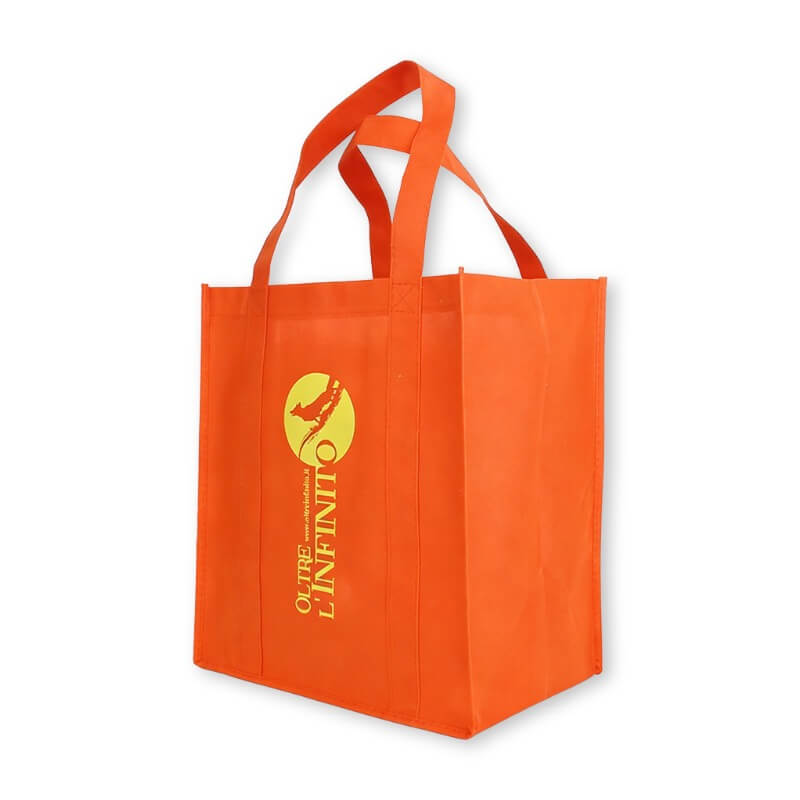
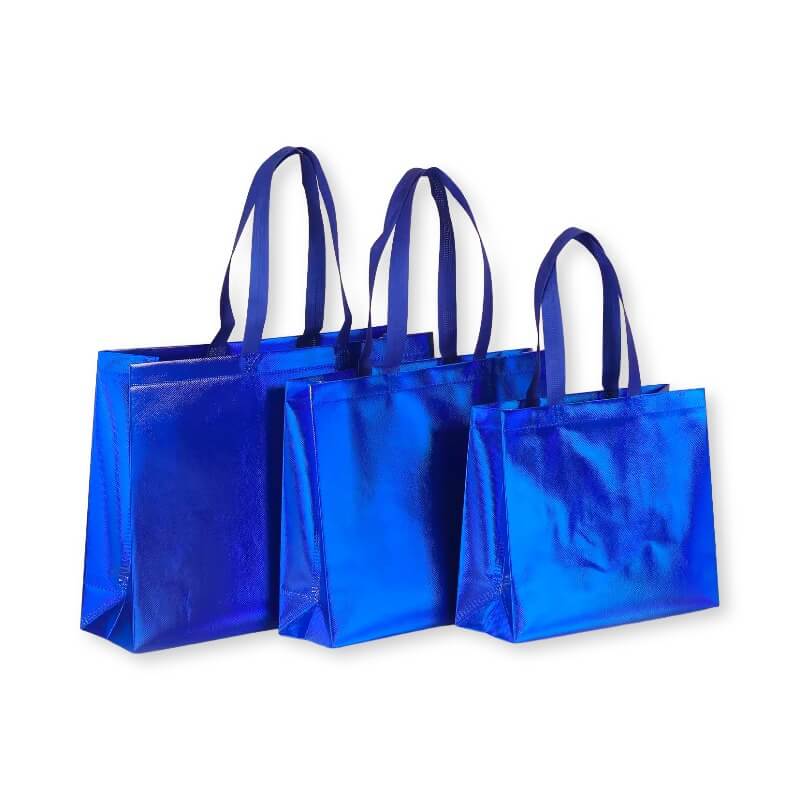
Non woven PP bags are the workhorse of promotional and retail giveaways. They’re lightweight, water-resistant, and take screen printing beautifully. For a supermarket or a discount retailer needing high volumes at low cost, they’re a sensible choice. Just spec a higher GSM to avoid the “flimsy” problem.
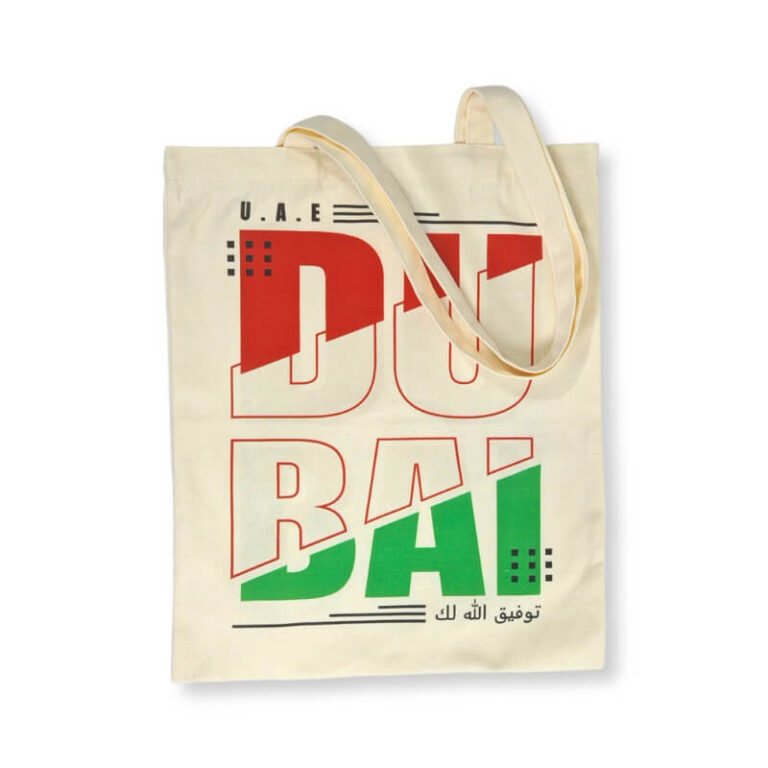
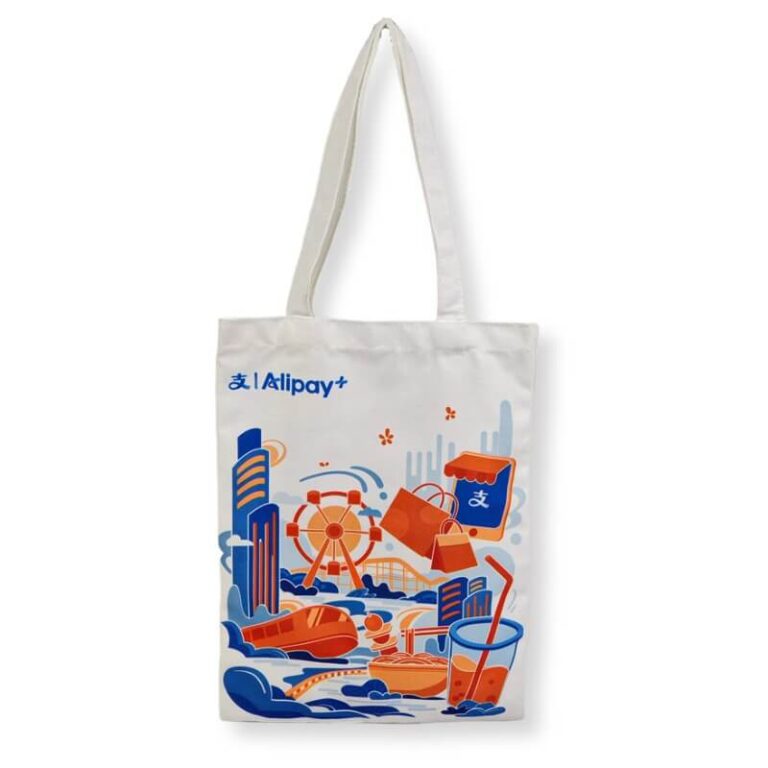
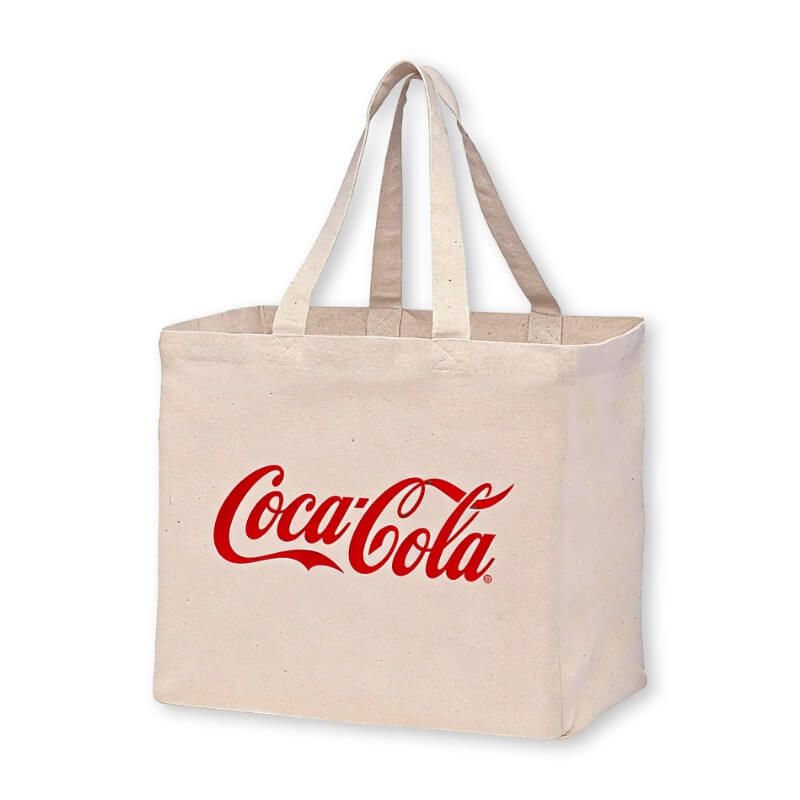
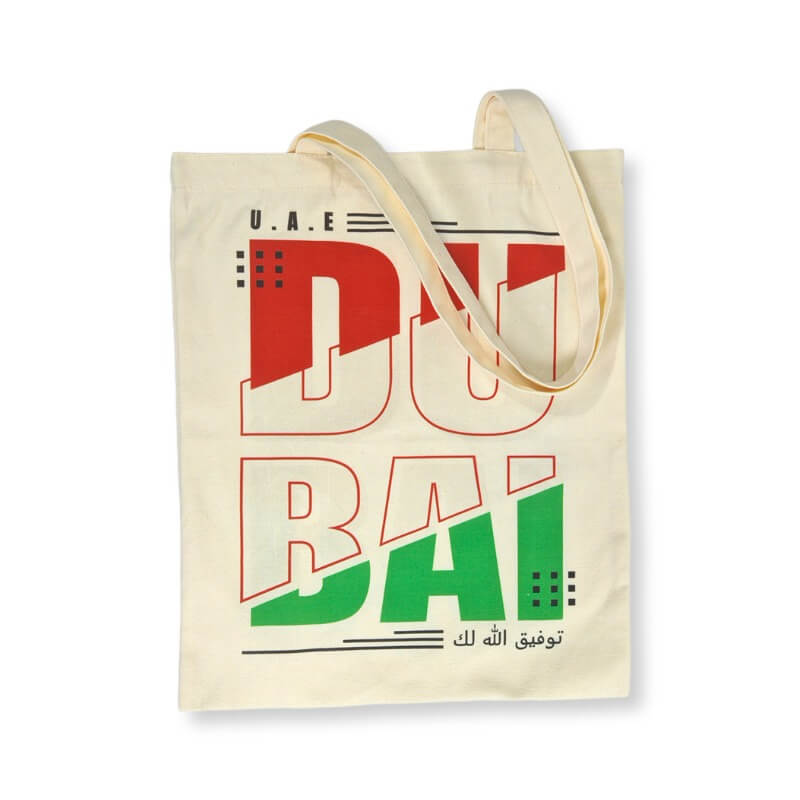
Cotton and canvas bags feel more premium. They’re soft, washable, and age well. For fashion retail, bookshops, or organic food stores, they align well with a brand identity built on natural, honest values. Choose organic or recycled cotton if sustainability claims matter.
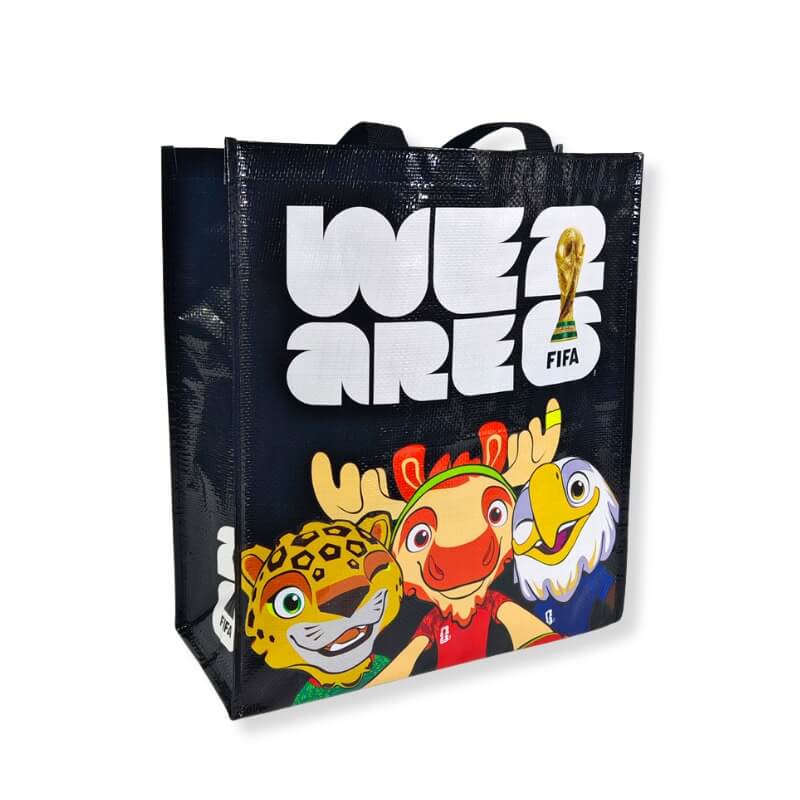
Laminated PP woven bags offer exceptional strength. They’re not the right fit for a fashion boutique, but for hardware stores, garden centers, or bulk retailers, they handle heavy loads and last for years.
Paper bags remain relevant for quick purchases and food takeaway, especially where compostability is valued. But they’re typically single-use, so they complement rather than replace a reusable strategy.
Avoiding Greenwashing: Be Specific, Not Vague
Many retailers claim their bags are “eco-friendly” without backing it up. Consumers—and regulators—are getting wise to this. The EU’s Green Claims Directive, though still developing, signals that vague environmental marketing will face scrutiny.
Instead of slapping a green leaf on the bag, be specific. If the bag is made from 100% recycled cotton, say so.And If the print uses water-based inks, mention it. If the bag is recyclable through a specific program, explain how.
A small insert or interior label can tell the story without cluttering the design. For example: “This bag is made from 12 recycled plastic bottles. When you’re done with it, return it to any of our stores and we’ll recycle it again.” That’s not just marketing—it’s a promise.

The Business Case for Reusable Bags
Retailers often worry that reusable bags cost more than disposable ones. And they do—per unit. But the economics change when you factor in the broader picture. A bag that lasts for years generates thousands of brand impressions. It reduces the need to constantly reorder disposable packaging. And in many regions, charging a small fee for reusable bags turns a cost center into a modest revenue stream.
More importantly, reusable shopping bags build habit. When a customer remembers to bring their bag, they’re signaling loyalty. Every time they use it, your store is top of mind. That’s not something a disposable plastic bag can claim.
Sourcing Responsibly: What to Look For
If you’re sourcing reusable shopping bags for your retail store, start with a clear specification. Decide on material, GSM, size, handle type, and printing method. Then ask potential suppliers these questions:
- What certifications can you provide? (GRS for recycled content, BSCI for social compliance, OEKO-TEX for fabric safety.)
- Can you supply a pre-production sample made to our exact specs?
- What’s your recommended GSM for our intended use?
- How long will the bags last under normal retail conditions?
- What is your production lead time and MOQ?
A good supplier will answer these clearly. A great one will help you refine your spec and avoid costly mistakes.
The Bottom Line
Sustainable retail packaging is not about finding the cheapest bag or the trendiest material. It’s about choosing a bag that people will use, reuse, and remember. Reusable shopping bags offer a practical path forward—one that reduces waste, reinforces your brand values, and meets evolving regulations.
At EcoPromoBags, we help retailers source reusable bags that make sense for their market. We offer non woven, cotton, canvas, and laminated PP woven options, with GRS-certified recycled materials and full customization. Whether you need 5,000 bags for a supermarket chain or 500 for a boutique, we can help you get it right.
Ready to upgrade your retail packaging? Contact us today for samples and a quote. Let’s build a bag your customers will actually want to keep.