If you’ve ever ordered custom bags, you know the supplier makes or breaks the project. A good carrier bag supplier delivers on time, matches your specs, and catches small issues before they become expensive problems. A bad one sends flimsy bags, misses deadlines, and disappears when you ask for a fix. I’ve been on both sides of that equation, and the difference almost always comes down to how carefully you vet your supplier before you commit.
So let’s talk about sourcing carrier bags the smart way. Whether you need canvas totes, non woven bags, cotton bags, jute bags, or a mix of materials, here’s what actually matters.
Why Material Choice Should Drive Your Supplier Search
Not every carrier bag supplier specializes in every material. Some factories excel at non woven polypropylene. Others are set up for cotton and canvas. A few can handle jute, which requires different sewing machines and finishing techniques. Before you send a single inquiry, decide which materials fit your brand and use case.
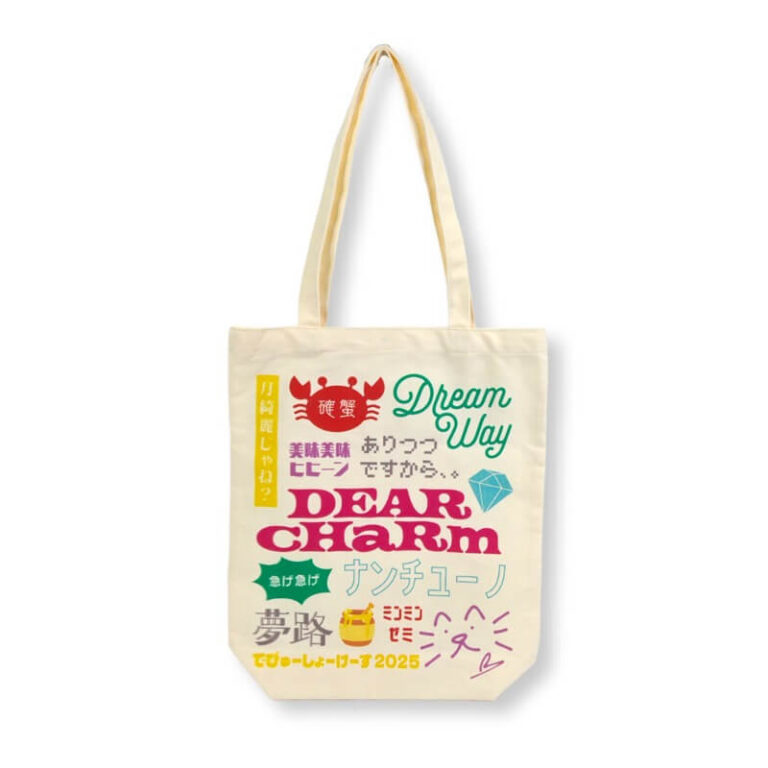
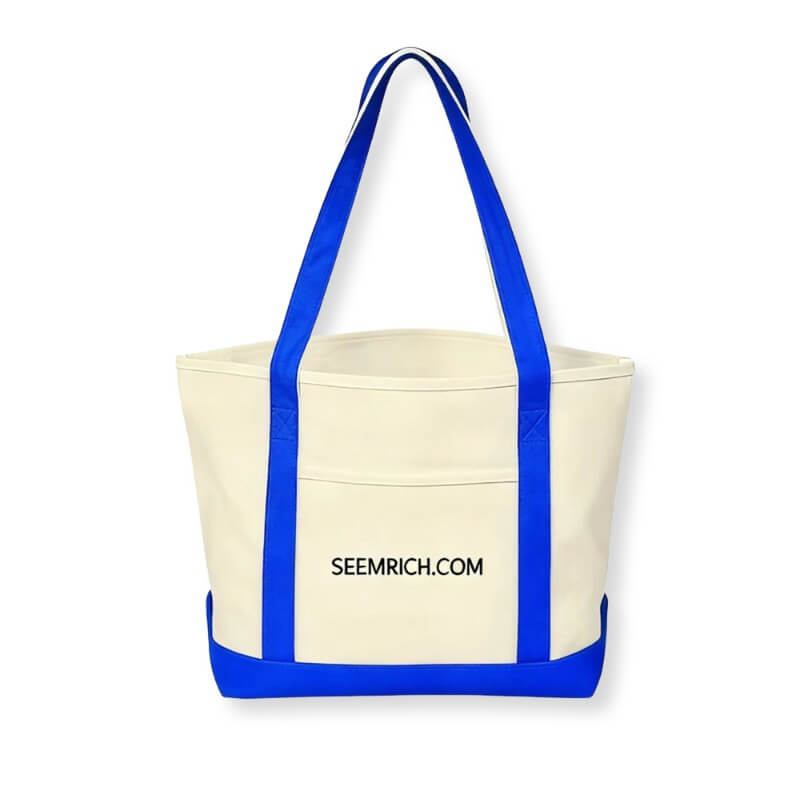
- Canvas tote bags are the premium workhorses. They’re durable, washable, and take screen printing or embroidery beautifully. Best for retail, corporate gifts, and long-term reuse.
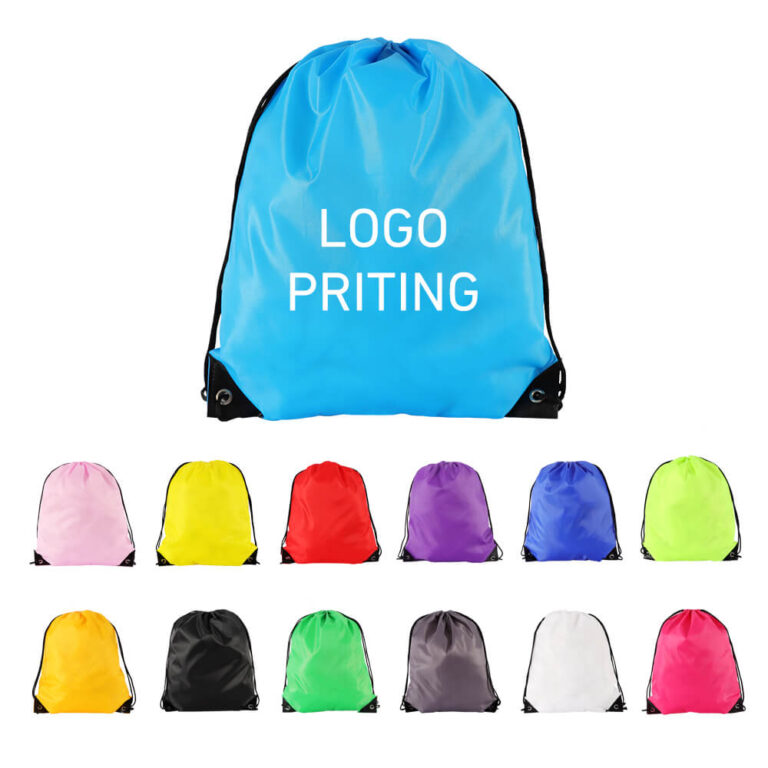
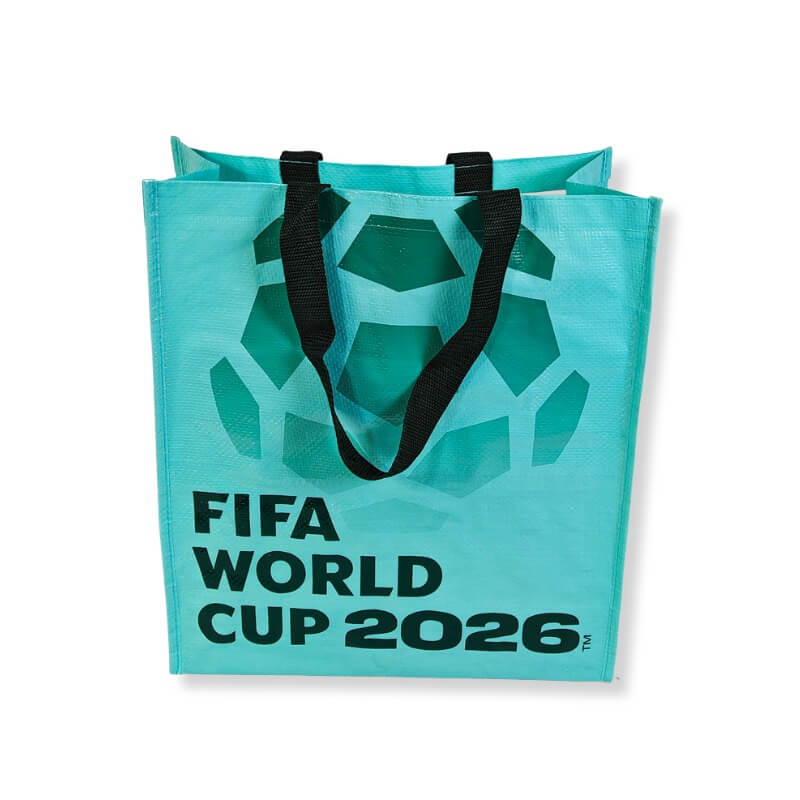
- Non woven bags are the cost-effective champions. They’re lightweight, water-resistant, and perfect for high-volume giveaways, trade shows, and grocery promotions.
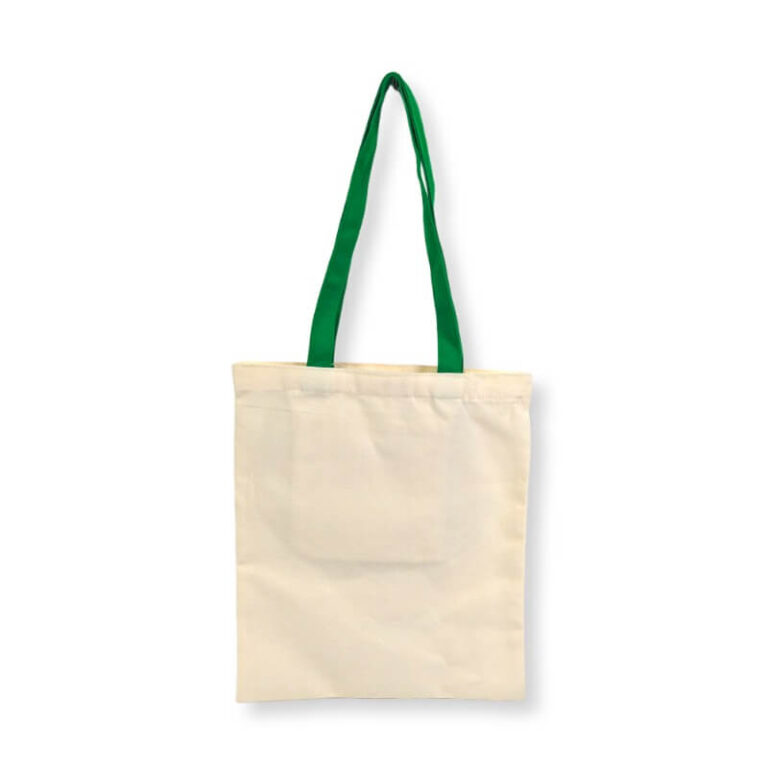
- Cotton bags feel soft and natural. They’re popular for boutique retail, farmers’ markets, and brands that want a gentle, organic touch.
- Jute bags offer a rustic, eco-conscious look. They’re strong and sustainable, ideal for agricultural products, artisan brands, and zero-waste campaigns.
Once you know your material mix, you can filter suppliers who actually have the right equipment and experience.


What to Ask Carrier Bag Suppliers Before You Order
A professional carrier bag supplier welcomes questions. A middleman gets defensive. Here are the questions I always recommend.
1. Are you a direct factory or a trading company?
This matters more than most buyers realize. Direct factories control production, quality, and pricing. Trading companies add a layer of cost and often can’t answer technical questions. Ask for a video tour of the production floor. Look for weaving looms, cutting tables, sewing lines, and printing stations.
2. What GSM do you recommend for my use case?
GSM stands for grams per square meter. It determines how thick and sturdy the bag feels. For non woven bags, 80–100 GSM is standard; 120+ GSM feels premium. For canvas, 10–12 oz is common, while 16 oz is heavy-duty. A good supplier will explain the trade-offs rather than just quoting the cheapest option.
3. Can you provide a pre-production sample?
Never skip this step. A sample lets you check stitching, handle strength, print quality, and material feel. Expect to pay a small fee—usually $50 to $150—plus shipping. It’s the cheapest insurance you’ll ever buy.
4. What certifications do you hold?
Depending on your market, you may need BSCI, GRS, OEKO-TEX, or FSC. If your brand markets itself as sustainable, ask for documentation. Vague answers here are a red flag.
5. What’s your MOQ and lead time?
Minimum order quantities vary widely. Some factories require 5,000 units; others are flexible for first orders. Get clear timelines for sampling, production, and shipping. A supplier who communicates proactively is worth more than one who simply quotes the lowest price.
Factory vs. Trading Company: Why It Matters
I’ve seen buyers waste months bouncing between trading companies, only to end up with inconsistent quality. When you work directly with a carrier bag supplier that owns its production, you get better pricing, faster problem-solving, and real accountability. If something goes wrong, you talk to the people who can fix it—not a salesperson who has to relay messages to an unknown factory.
That said, some trading companies are excellent. They can manage multiple materials and simplify logistics. Just know who you’re dealing with. Ask for proof. A real factory will proudly show you their floor. A trader will make excuses.

Red Flags to Avoid
Not every supplier deserves your business. Watch out for:
- Prices that seem too low. They usually mean thinner fabric, skipped quality checks, or hidden fees later.
- Vague answers about materials, capacity, or certifications.
- Pressure to skip samples. That’s a hard no.
- Slow or inconsistent communication during the inquiry stage. If they’re hard to reach before you pay, imagine after.
Trust your gut. If something feels off, it probably is.
Why We Built EcoPromoBags as a Supplier You Can Rely On
We started EcoPromoBags because we saw too many buyers getting burned by inconsistent carrier bag suppliers. Today, we manufacture canvas totes, non woven bags, cotton bags, and jute bags under one roof. We control weaving, lamination, printing, and sewing. That means consistent quality, transparent pricing, and full customization—whether you need 500 bags or 500,000.
We also help clients navigate sustainability claims, certifications, and market regulations. If you’re sourcing for the EU, North America, or Australia, we can recommend materials and printing methods that meet your compliance needs.
Final Thoughts
Finding the right carrier bag supplier doesn’t have to be a gamble. Focus on factories that specialize in your chosen materials, ask the tough questions, and always test samples before committing. When you find the right partner, you’ll get durable, affordable, and highly customizable bags that keep your brand in your customers’ hands for months.
Ready to source carrier bags from a factory you can trust? Contact us today for samples and a quote. Let’s build a bag that works as hard as you do.