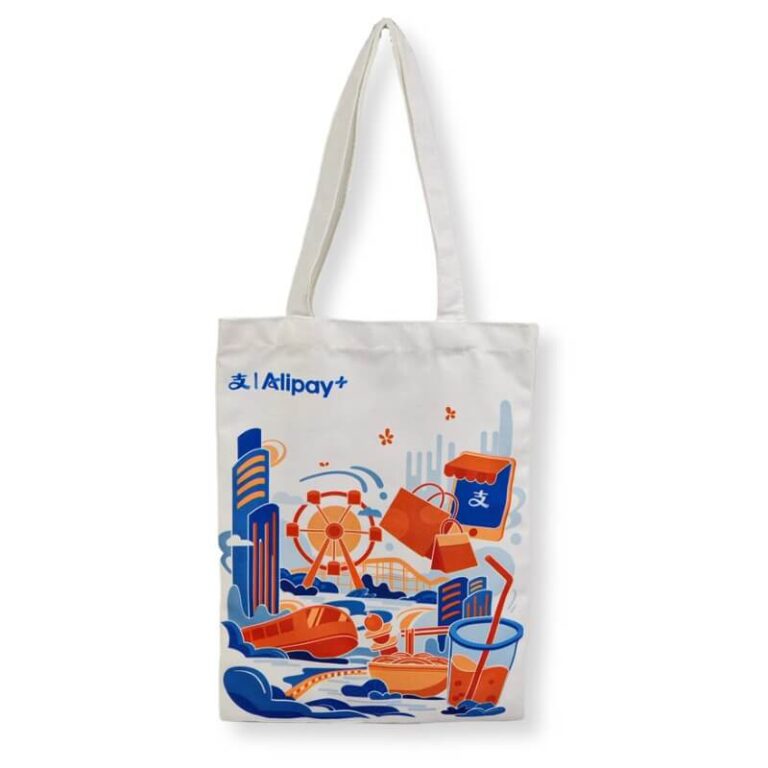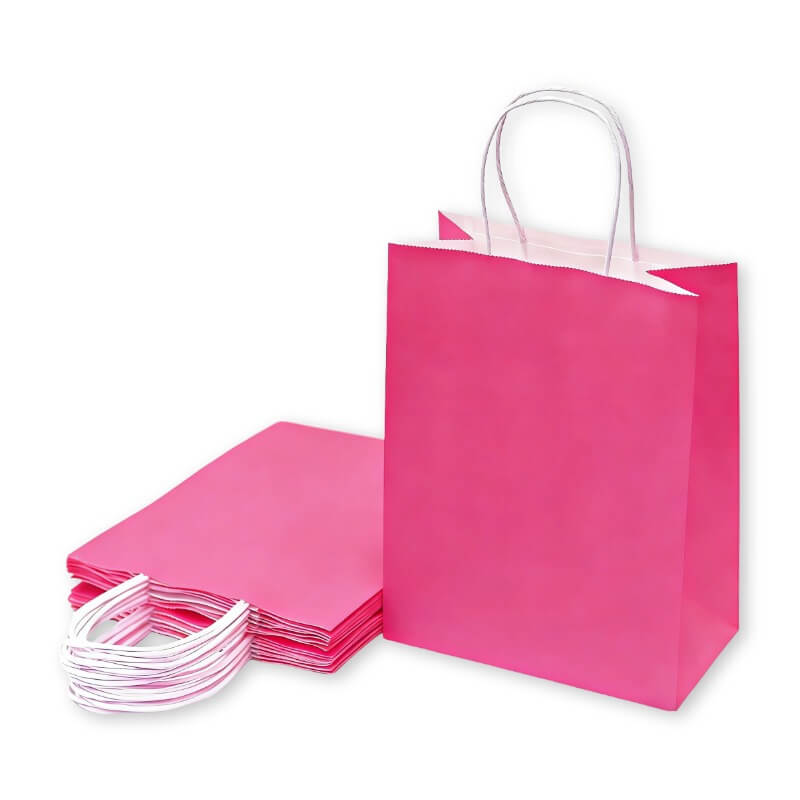
The question seems simple: which is better for the planet, a paper bag or a reusable tote? If you listen to the public debate, you might get a simplistic answer. But for procurement professionals making bulk sourcing decisions, the reality is far more nuanced. Declaring one the universal “winner” ignores the critical science of Life Cycle Assessment (LCA).
An LCA examines the total environmental impact of a product from cradle to grave—from raw material extraction and manufacturing to transportation, use, and end-of-life. It’s the only way to move beyond gut feelings to data-driven decisions. So, let’s break down the life cycle analysis of a standard recyclable paper bag versus a conventional reusable tote made from non-woven polypropylene (PP).
Stage 1: Raw Material & Production (The “Cradle”)
This is where the two products diverge dramatically.
- Recyclable Paper Bag: Starts with wood pulp, often from managed forests. The pulping, bleaching, and paper-making process is energy and water-intensive. It also involves chemicals. However, it uses a renewable resource (trees) and modern mills often employ efficient, closed-loop water systems.
- Reusable PP Tote: Begins with fossil fuels (oil or natural gas), which are cracked to produce propylene and then polymerized. This is an energy-intensive process emitting greenhouse gases. The non-woven fabric is then extruded and spunbonded. While durable, its genesis is firmly in the petrochemical industry.

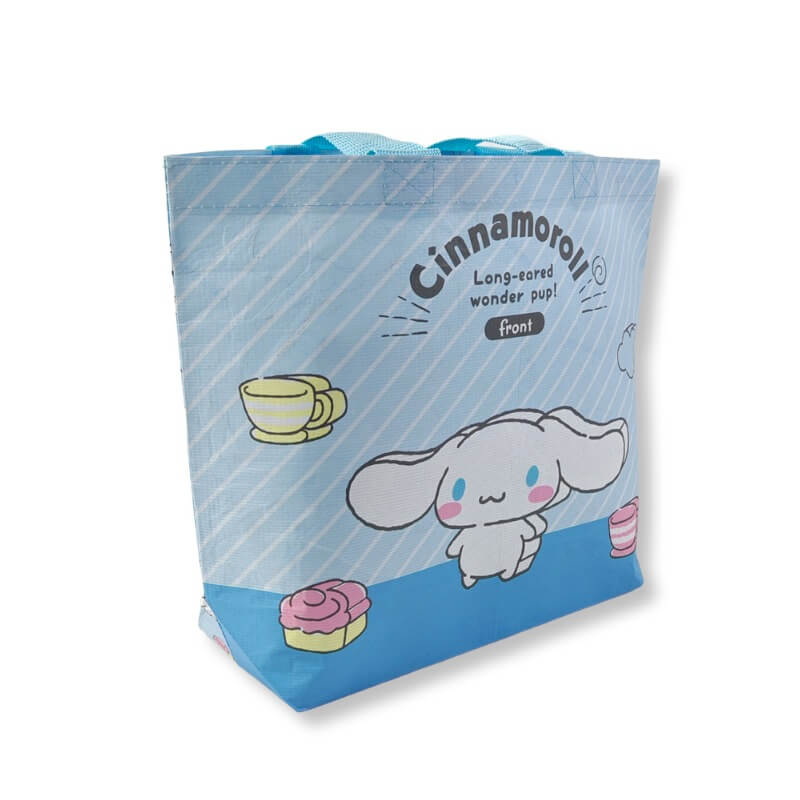
Stage 2: Manufacturing & Transportation
- Paper Bag: Converting paper into a bag is relatively low-energy. Paper bags are also lightweight and can be shipped flat, reducing transportation emissions per unit.
- PP Tote: The bag-forming and printing process requires significant energy. Crucially, a single PP tote uses far more raw material by weight than a paper bag. Its bulkier nature can also mean higher transportation emissions per unit compared to flat-packed paper.
Stage 3: The Use Phase (Where the Math Flips)
This is the most critical and variable phase. The environmental advantage of the reusable tote is entirely contingent on how many times it is used.
- A paper bag is typically used once, maybe twice if you’re frugal, then recycled or discarded.
- A PP tote must be reused many times to offset the higher environmental burden of its production. Studies suggest a PP tote needs to be used between 10 to 50 times to break even with a single-use paper bag on metrics like climate change impact. For cotton totes, that number can soar to over 100 uses.
Stage 4: End-of-Life (The “Grave”)
- Paper Bag: In ideal conditions, it is recycled into new paper products or composted, returning to the earth relatively quickly if untreated. In a landfill, it decomposes anaerobically, producing methane, a potent greenhouse gas.
- PP Tote: While technically recyclable in some systems, the infrastructure for recycling non-woven PP is limited and inefficient. Most end up in landfills, where they will persist for decades, slowly fragmenting.
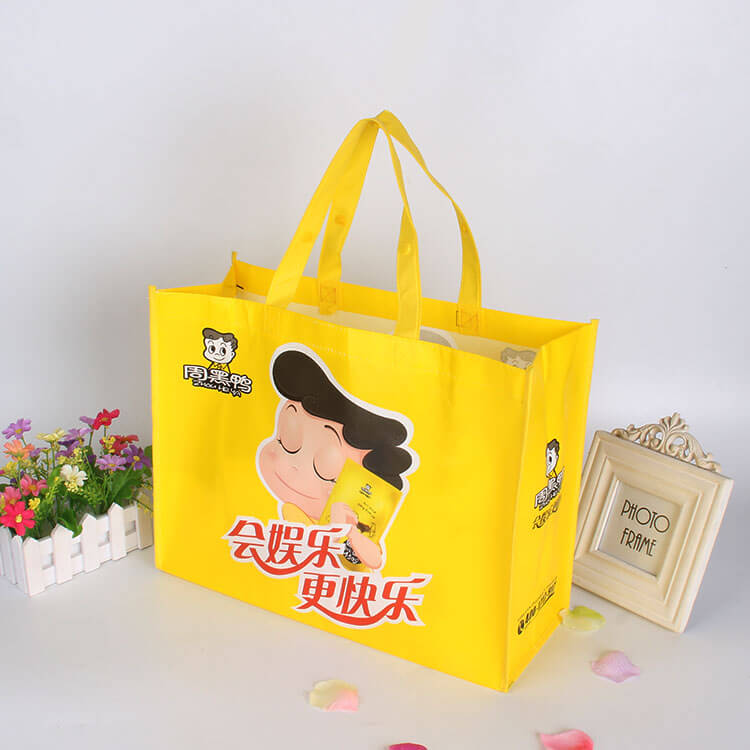

The Verdict: It’s All About Reuse, Not Material
The life cycle analysis reveals there is no inherently “good” or “bad” material—only better or worse systems.
- The recyclable paper bag has a lower per-use impact if it is used sparingly (1-2 times) and properly recycled.
- The reusable tote is the superior environmental choice only if it replaces dozens, if not hundreds, of single-use bags. If it’s acquired as a novelty item and used only a few times, its heavier production footprint makes it the worse option.
Strategic Guidance for Sustainable Sourcing
- Know Your Audience’s Behavior: Are you giving bags at a one-time conference (where reuse is unlikely), or to loyal retail customers (who might use them weekly)?
- Design for Maximum Reuse: If choosing totes, invest in high-quality, desirable design and durable construction that encourages repeated use. Educate recipients on its lifespan.
- Consider the Full System: Opt for paper bags with high recycled content and FSC-certified pulp. For totes, explore options made from recycled materials (e.g., rPET) which improve the LCA.
- Ask the Right Question: Don’t ask “which bag is greener?” Ask “which system—infrequent use of a lightweight single-use or frequent use of a durable multi-use—best fits our specific application?”
By applying life cycle analysis thinking, you move from greenwashing to genuine stewardship. It empowers you to make the most sustainable choice for your specific context and communicate that decision with credible authority.
Need help sourcing bags that align with your genuine sustainability goals? We provide transparent material data and can help you model the best choice for your campaign’s intended use. Contact us for a consultation based on real impact, not just marketing claims.