If you’re sourcing heavy-duty bags for bulk materials, agriculture, or large-scale retail, you’ve likely come across PP woven bags. Polypropylene woven fabric is renowned for its incredible strength, tear resistance, and affordability. But then you hit a common fork in the road: should you choose laminated or non-laminated PP woven bags?
This isn’t just a minor specification—it’s a fundamental choice that affects the bag’s functionality, appearance, and cost. Choosing wrong can mean damaged goods, poor brand presentation, or unnecessary expense. Let’s demystify these two types so you can specify with confidence.
The Core Difference: A Barrier vs. Breatheability
Think of the lamination as a raincoat for the bag.
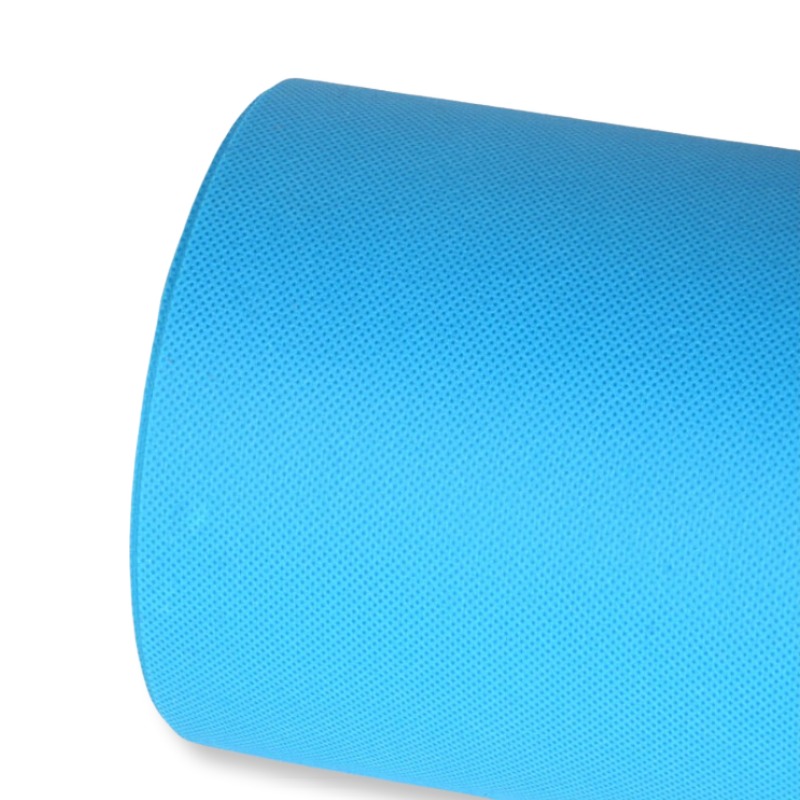
- Non-Laminated Bags are the base fabric—tough, woven polypropylene threads that create a strong, but porous, material. They are breathable.
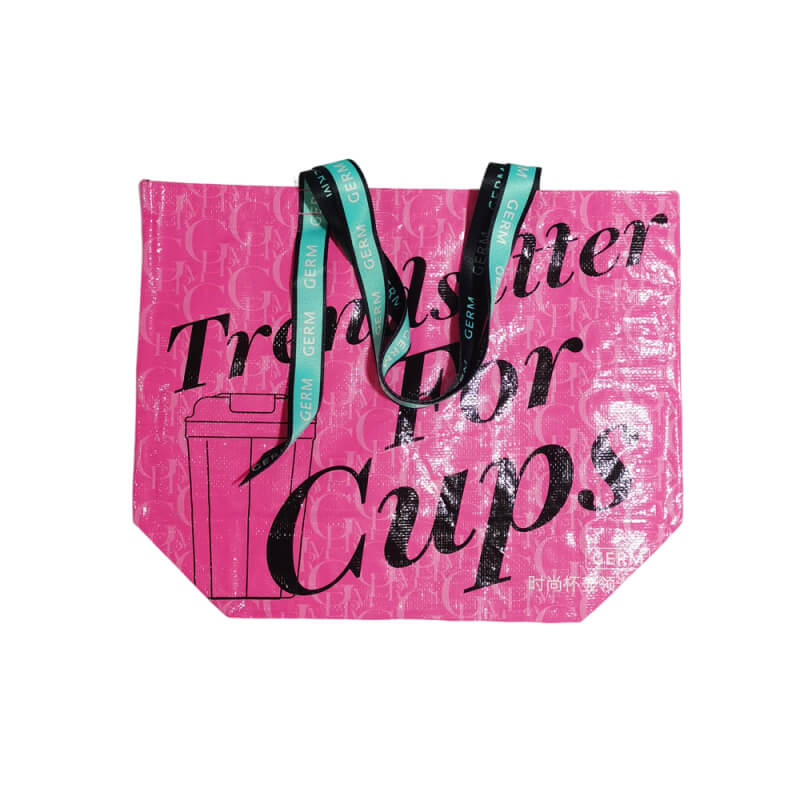
- Laminated Bags have a thin, continuous layer of plastic film (usually BOPP or LDPE) melted onto one or both sides of this woven fabric. This creates a waterproof, moisture-proof, and dust-proof barrier.
Here’s a quick comparison to visualize the key differences:
| Feature | Non-Laminated PP Woven Bags | Laminated PP Woven Bags |
|---|---|---|
| Surface | Textured, porous, fabric-like feel | Smooth, glossy, plastic-like feel |
| Protection | Allows air/moisture to pass through | Waterproof & moisture-proof barrier |
| Print Quality | Good, but can appear faded on rough texture | Excellent; vibrant, high-definition graphics |
| Primary Use | Dry, stable goods (e.g., grains, sand, fertilizer) | Moisture-sensitive goods (e.g., flour, chemicals, food) |
| Cost | Lower (simpler manufacturing process) | Higher (added material and processing) |
When to Choose Non-Laminated (The Workhorse)
Go for non-laminated bags when your priority is strength and breathability at the lowest cost.
- Perfect for: Agricultural products like animal feed, rice, or potatoes that need airflow to prevent mold. Construction materials like sand or cement. Any dry, non-hygroscopic product where moisture ingress isn’t a concern.
- Considerations: While you can print on them, the ink sits directly on the textured weave, which can absorb slightly and limit color vibrancy. They are not suitable for any product that could be compromised by moisture, dust, or sifting.
When to Choose Laminated (The Protector)
Invest in laminated bags when product integrity and premium presentation are critical.
- Perfect for: Food-grade products (flour, sugar, salt), chemical fertilizers, pigments, or any powder-like material that must stay completely dry. Retail packaging where a glossy, high-quality print finish is needed to elevate brand perception on shelves.
- Key Advantages: The laminated layer:
- Seals the bag: Prevents fine contents from sifting out through the weave.
- Protects from elements: Acts as a shield against rain and humidity during storage or transport.
- Provides a premium canvas: The smooth surface allows for offset or flexographic printing with photorealistic detail and deep, glossy colors.
Beyond the Basics: The Lamination Factor in Branding
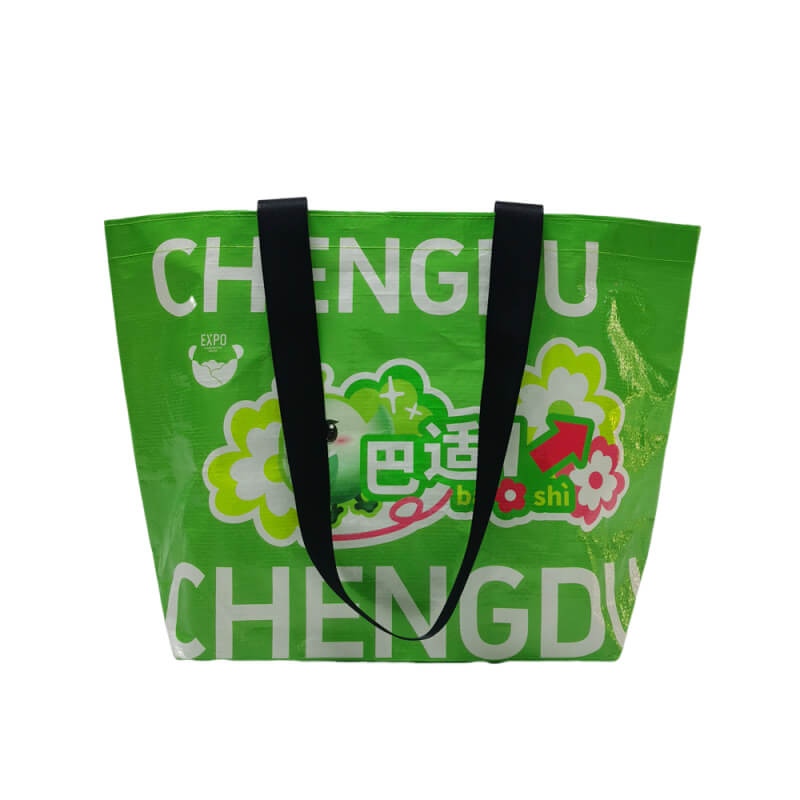
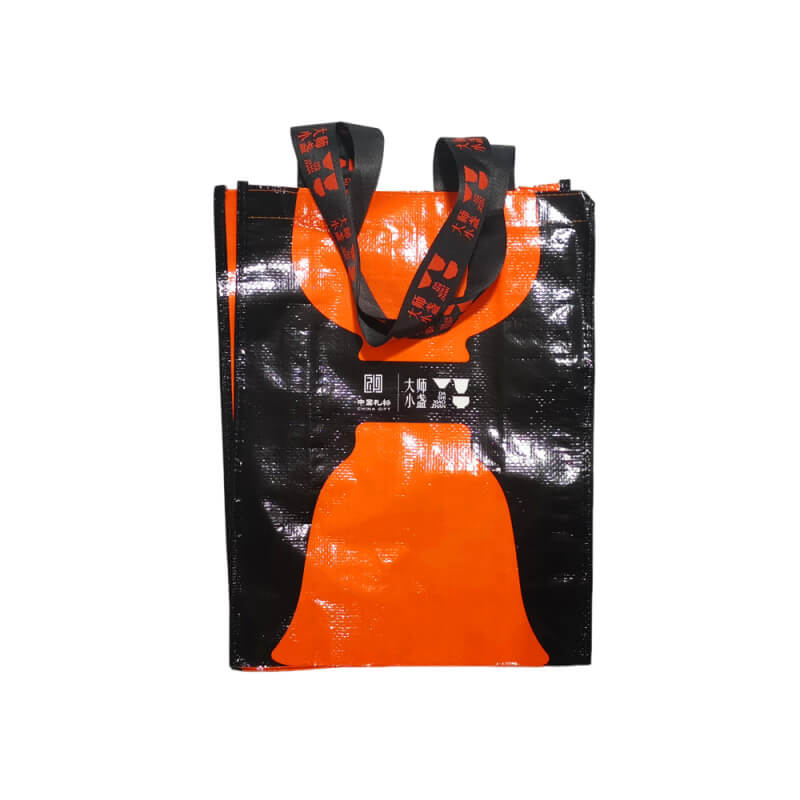
This is crucial for promotional or retail use. A laminated PP woven bag is often the superior choice for branding. The glossy finish not only makes colors pop but also adds a layer of scuff resistance to the print, ensuring your logo looks better for longer. For a tradeshow tote or a retail shopping bag that needs to look professional, lamination is typically worth the added cost.
Making the Right Choice for Your Project
Ask yourself these questions:
- What is the physical state of the product? (Dry granules vs. fine powder vs. moisture-sensitive material)
- What are the storage/transport conditions? (Humid warehouse vs. dry indoor storage)
- How important is visual appeal? (Basic shipping sack vs. customer-facing retail bag)
- What is the budget constraint?
There’s no universally “better” option—only the right one for your specific application. A non-laminated bag is a robust, economical solution for many industrial jobs. A laminated bag is a necessary upgrade for protection and premium branding.
Still Unsure Which Type You Need?
We help businesses navigate these technical decisions every day. As a factory, we can produce both laminated and non-laminated PP woven bags to your exact specifications for strength, size, and print. Contact us with your product details, and our team will recommend the most effective and cost-efficient solution for your project.