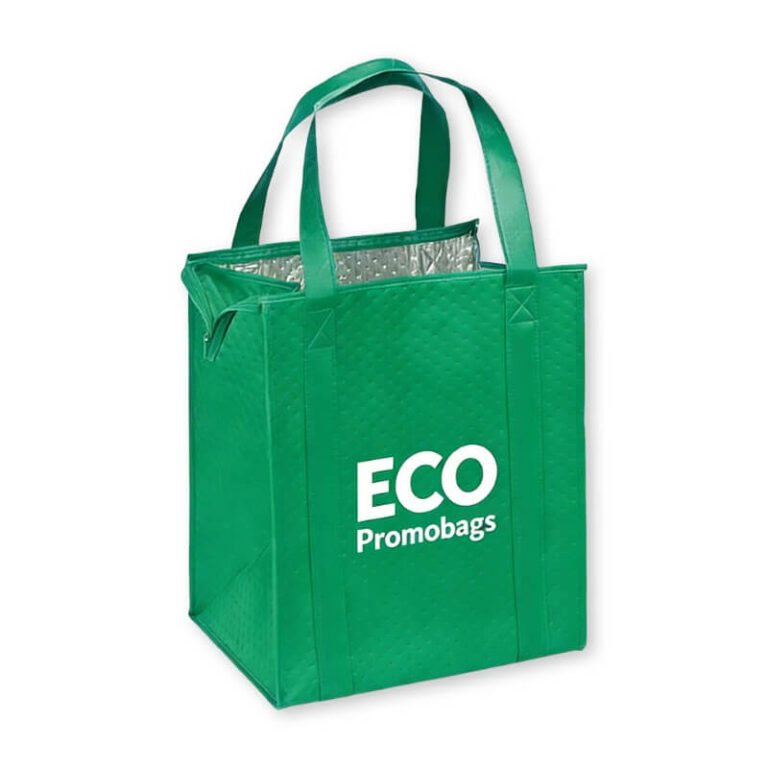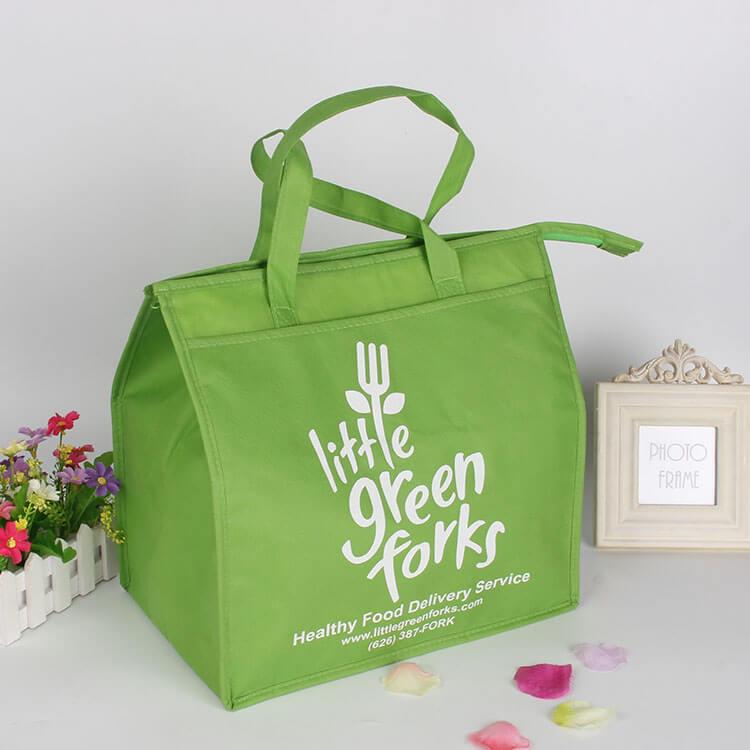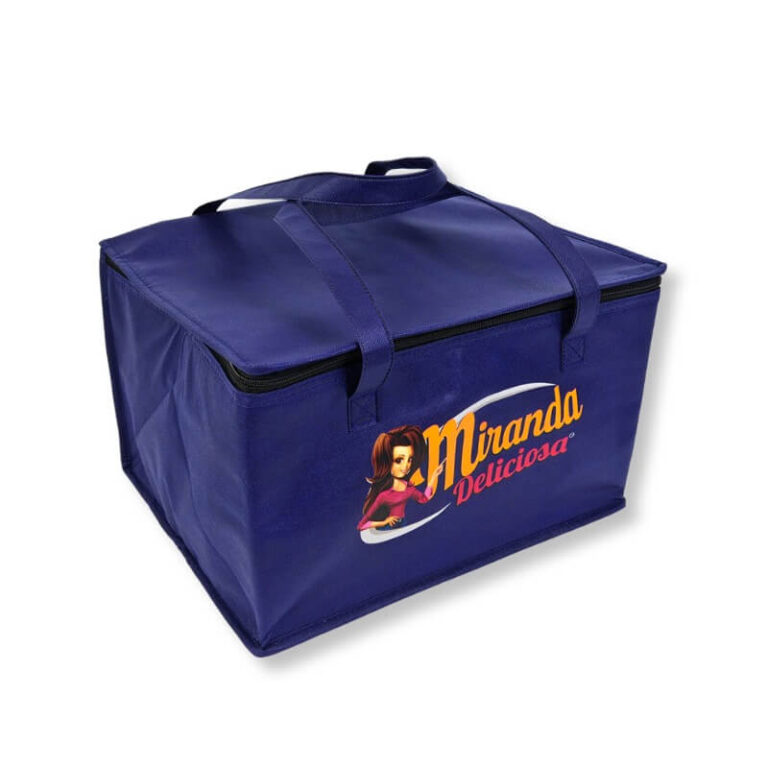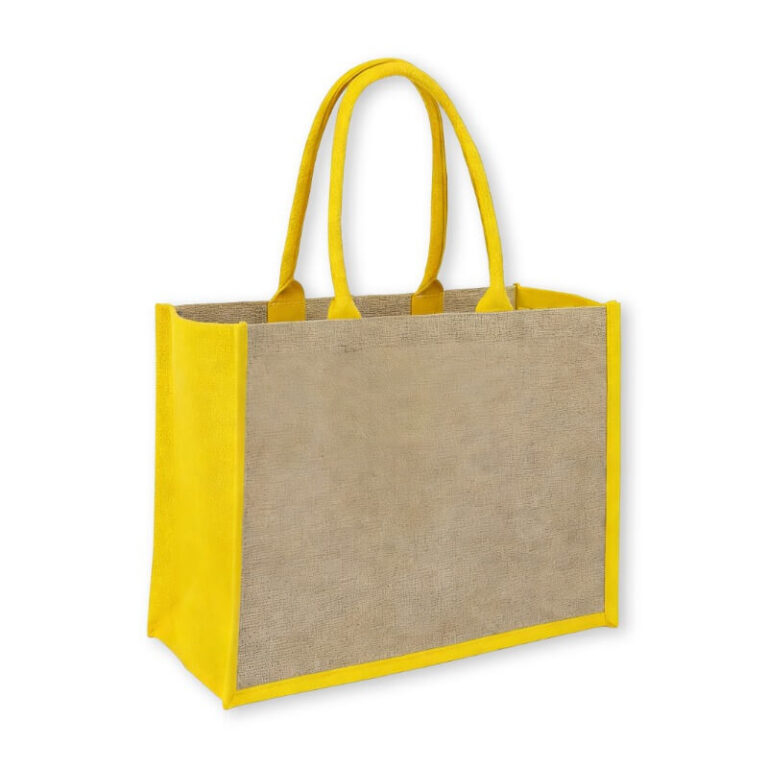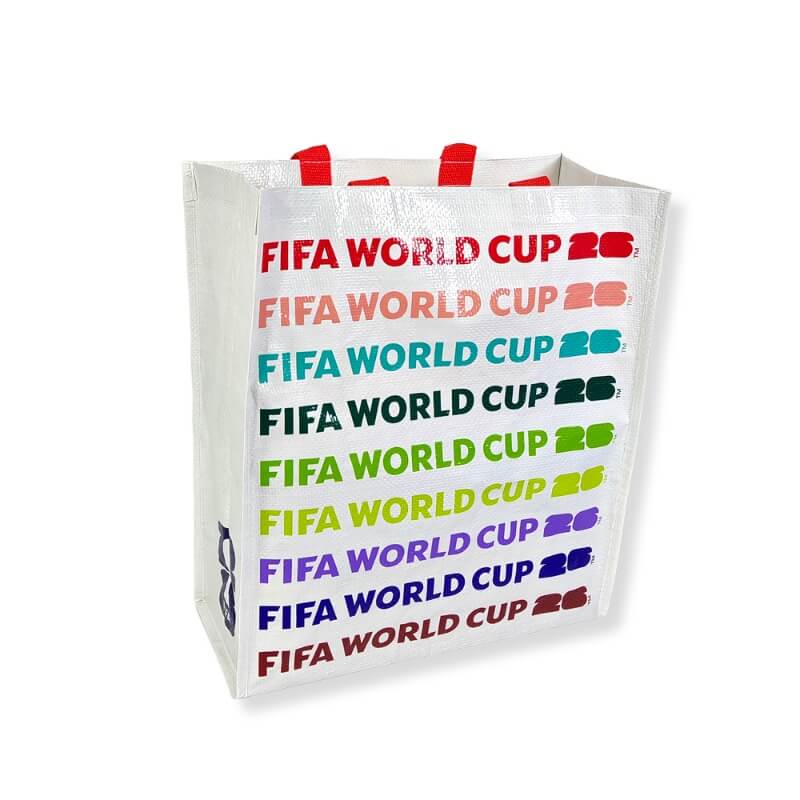
Walk into any trade show or retail chain, and you’ll see the same thing: rows of soft, non-woven tote bags with a logo stamped on the front. They look fine. They feel fine. And for a lightweight giveaway, they are fine. But ask them to carry 20 kilograms of rice, sand, or construction material through a warehouse and a distribution truck, and the story changes quickly.
That’s where laminated PP woven bags enter the picture. They rarely get the spotlight. They’re not soft. They’re not fashion-forward. But in applications where failure is not an option, they quietly do the job that other bags simply cannot sustain. After years of producing both woven and non-woven bags, I can tell you this: if your project involves real weight, repeated handling, or outdoor exposure, the “underdog” woven bag is not an underdog at all. It’s the sensible choice.
Here’s why.
It Starts with Structure, Not Marketing
Most buyers compare bags by GSM (grams per square meter) and assume that a heavier non-woven bag must be as strong as a lighter woven one. That assumption is wrong. GSM does not translate directly across constructions.-22
Woven PP bags are made by interlacing flat polypropylene tapes at right angles on a loom. During manufacturing, those tapes are stretched under heat. That drawing process aligns the polymer chains along the length of each tape, which significantly raises tensile strength. The result is a grid-like structure that distributes load continuously along both the warp and weft directions.-22
Non-woven PP, by contrast, is made by bonding continuous fibers together with heat and pressure. It produces a softer, felt-like fabric. That softness is an advantage for print feel and retail presentation, but it comes at the cost of load-bearing capacity. Non-woven bags “are not as durable as woven PP bags, with a lower overall tensile strength meaning they can accommodate comparatively lightweight loads”.
In practical terms: a well-made non-woven tote is built for light retail and promotional loads. A woven PP sack is built to carry 25 kg to 50 kg through the supply chain, and to do it repeatedly.-22


Lamination Turns a Strong Bag into a Durable One
Woven fabric alone is already tough. But the laminated version adds a layer that makes the bag far more resilient in real-world conditions.
Lamination—typically a BOPP film bonded to the woven surface—does three things. First, it seals the weave. Unlaminated woven fabric is breathable, which is useful for some agricultural products, but it also allows moisture and fine powders to sift through. The laminated film creates a moisture and leakage barrier. Second, it protects against contaminants and provides a smooth surface for high-quality printing. Third, it improves abrasion resistance, so the bag survives friction against pallets, truck beds, and warehouse shelving.-6
Many laminated woven bags also incorporate UV stabilizers. That matters more than most buyers realize. Polypropylene is sensitive to sunlight, and prolonged UV exposure can degrade tensile strength over time. A UV-stabilized bag retains its performance far longer in outdoor storage or transport conditions.
The Numbers Behind the “Secret Weapon” Reputation
Durability claims mean little without data. Here’s what the specifications look like for laminated PP woven bags.
Tensile strength. Industrial specifications for laminated woven bags commonly require breaking strength in the range of 91.8 kgf (kilogram-force) along the length and width, with the lamination joint matching the fabric’s own strength. For an 80 GSM woven fabric, the body can handle roughly 100 kgf of tensile force across its width. That is not a promotional tote. That is a load-bearing structure.
Reuse cycles. Reinforced seams and handles allow quality woven bags to achieve between 50 and 100 reuse cycles in standard commercial use. Higher-spec woven bags with stronger fabric and proper care can exceed 300 lifetime uses. Compare that to the 15–30 uses typical of light non-woven promotional bags, and the per-use economics shift dramatically.-23
Load capacity. Woven PP is the standard construction for 25 kg and 50 kg sacks, as well as FIBC bulk bags. Non-woven is not engineered for that class of load, regardless of how heavy the GSM appears on a spec sheet.-22
This is why woven bags dominate agriculture, chemical packaging, construction materials, and supermarket reusable-bag programs where heavier goods are involved.-19

Where Laminated Woven Bags Actually Belong in Your Sourcing
The mistake many buyers make is treating woven and non-woven as interchangeable “polypropylene bags.” They are not. They solve different problems. Woven is the choice when the load is heavy, the handling is rough, the environment is uncontrolled, or the bag must survive dozens—or hundreds—of trips.
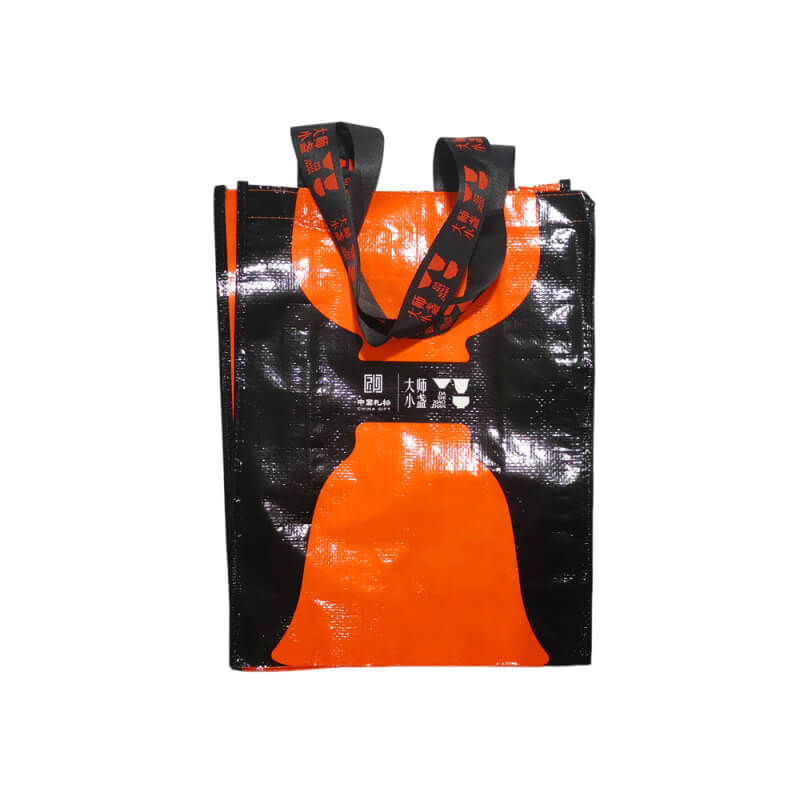
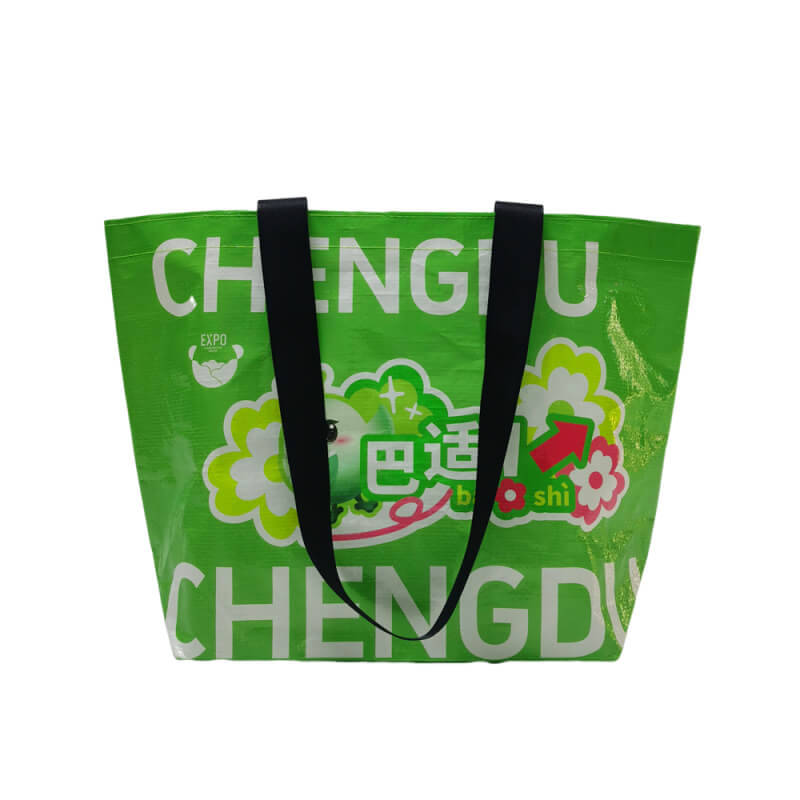
That makes laminated PP woven bags a strong fit for agricultural inputs like grain, feed, seed, and fertilizer. They suit construction materials, sand, cement, and minerals. They work for chemical packaging where moisture resistance and strength are non-negotiable. And they are increasingly used for premium reusable shopping bags where the brand wants both a structured body and detailed printed graphics.-19
If your project involves a lightweight giveaway for a one-day event, a soft non-woven bag may be the right call. But if the bag is a working tool—something that carries value, protects product, and gets reused because it holds up—the laminated woven option is the one that will still be in service months after the cheaper alternative has split a seam.
Sourcing the Right Spec, Not Just the Right Price
The durability of a laminated PP woven bag is not automatic. It depends on fabric weight, tape quality, lamination adhesion, seam construction, and UV stabilization. A cheap woven bag with thin tapes and weak lamination will fail sooner than a well-built one, even though both carry the same generic name.
At EcoPromoBags, we produce laminated PP woven bags with controlled fabric GSM, reliable BOPP lamination, reinforced seams, and optional UV stabilization. We help buyers match the specification to the actual load and use cycle, rather than guessing from a unit price.
If your next project needs a bag that carries real weight and survives real handling, let’s talk. Contact us for samples and a specification review. The underdog might just become your most dependable line item.