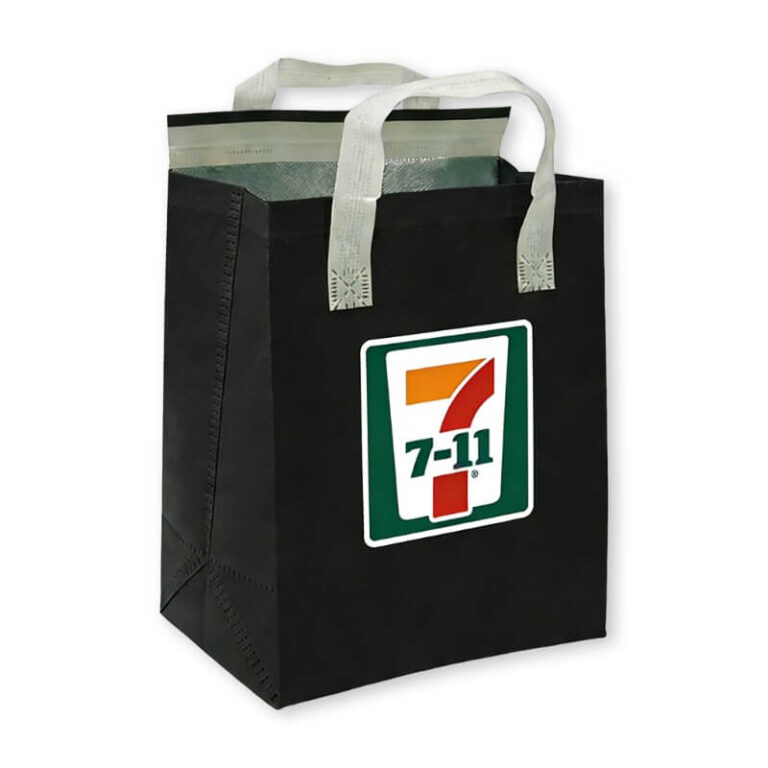
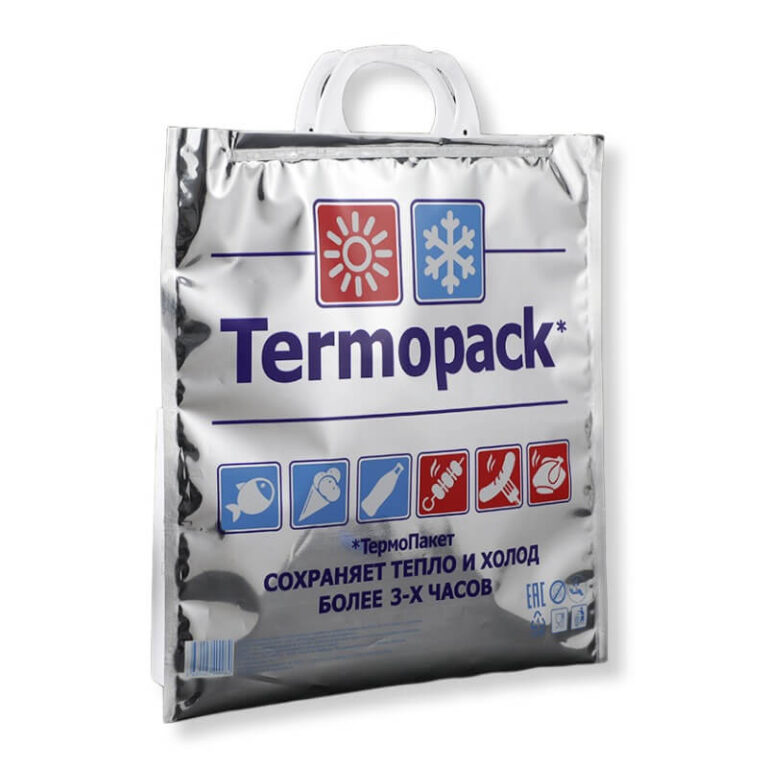
So, you’ve decided to order custom promotional bags. That’s the easy part. The real question that stumps many smart buyers is: What material should I choose? You’re likely weighing the big three: non-woven polypropylene, cotton, and canvas. Each is championed for different reasons, and choosing the wrong one can mean wasting budget on a bag that doesn’t fit its purpose.
For procurement managers, this isn’t just an aesthetic choice; it’s a strategic decision balancing cost, brand perception, functionality, and sustainability. As a factory that produces all three, we see the entire lifecycle. Let’s cut through the marketing fluff and provide a clear, honest breakdown of non woven vs cotton vs canvas to guide your next order.
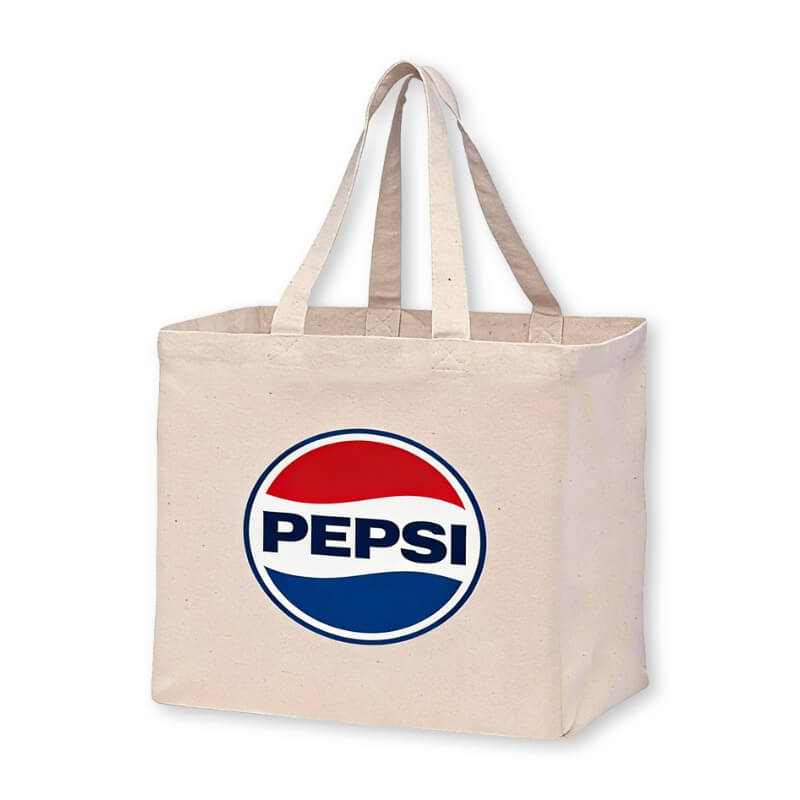
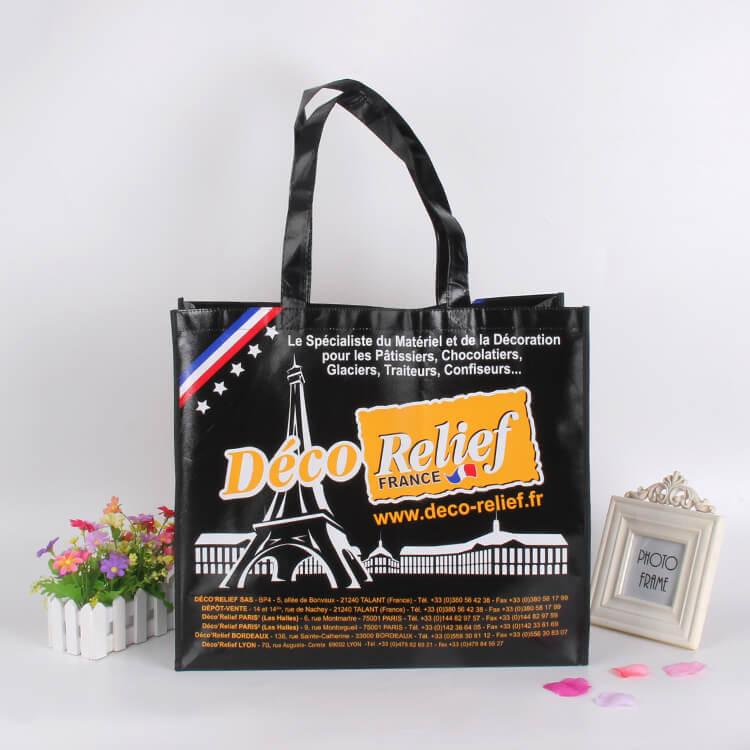
1. Non-Woven Polypropylene: The Budget-Friendly Workhorse
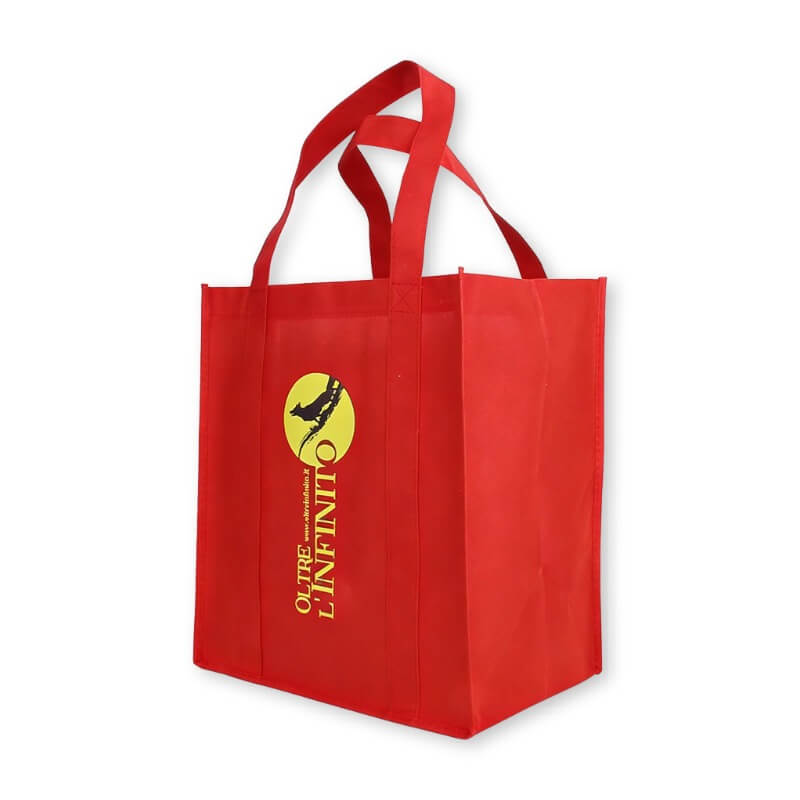
- The Cost Leader: This is the most economical option by a significant margin. If you need a high volume of bags for a large event or a low-cost giveaway, non-woven is your go-to. Its lower price point allows for a higher quantity within your budget.
- Performance & Feel: Made from bonded polypropylene fibers, it’s lightweight, water-resistant, and holds its shape well. It offers a crisp, “new” appearance perfect for vibrant, high-definition printing. However, it has a distinct synthetic feel and, while durable for its weight, isn’t designed for a lifetime of heavy hauling. Durability is closely tied to GSM (grams per square meter); 80-100 GSM is standard, while 120+ GSM feels premium.
- Best For: High-volume event swag, trade show giveaways, in-store shopping bags, and cost-effective campaigns where broad reach is the primary goal.
- Sustainability Angle: Often made from PP, a plastic derivative. Look for options made with recycled content (rPP) or those certified as recyclable. Its eco-advantage comes from reusability, displacing single-use plastic bags.
2. Cotton: The Classic, Natural All-Rounder
- The Middle Ground: Cotton bags, typically made from a lighter-weight fabric like poplin or twill, sit in the middle of the price spectrum. They are more expensive than non-woven but generally less than heavy-duty canvas.
- Performance & Feel: This is where cotton shines. It has a soft, natural, and premium feel that consumers love. It’s highly breathable, machine washable, and becomes softer with each use. It’s excellent for screen printing and embroidery, offering a classic, understated look. The trade-off is that it’s less rigid than non-woven or canvas, so it can sag under heavy loads and may show wrinkles more easily.
- Best For: Farmer’s markets, boutique retail packaging, community events, and corporate gifts where a natural, ethical, and soft-touch brand image is important.
- Sustainability Angle: A natural, biodegradable fiber. However, conventional cotton has a high water and pesticide footprint. The sustainable choice here is organic or recycled cotton, which significantly reduces environmental impact.
3. Canvas: The Durable, Premium Powerhouse
- The Investment Piece: Canvas (typically made from cotton, but heavier and more tightly woven) is the premium, costliest option of the three. You are paying for superior durability and a rugged, high-quality aesthetic.
- Performance & Feel: This material is built to last. It’s thick, sturdy, and can handle significant weight without strain. It stands up on its own, has a structured look, and develops a desirable patina over time. It’s the best choice for bags meant for daily, heavy use—think grocery shopping, library books, or beach trips. Printing and embroidery on canvas look exceptionally high-end.
- Best For: High-value corporate gifts, loyal customer rewards, retail bags intended for long-term reuse, and any application where the bag itself is meant to be a lasting symbol of brand quality.
- Sustainability Angle: Its supreme durability is its sustainability superpower. A well-made canvas tote can replace hundreds of single-use bags over its lifetime, making its higher upfront cost justified from a lifecycle perspective.


The Decision Matrix: How to Choose
Stop thinking about which material is “best,” and start matching the material to your campaign’s goal:
- Choose Non-Woven If: Your priority is maximum quantity for your budget, you need a crisp, colorful print for a one-time event, or you require a lightweight, water-resistant option.
- Choose Cotton If: You want a natural-feeling, ethical, and washable bag for everyday lightweight use, and you value a soft brand presentation over rigid structure.
- Choose Canvas If: You are making a long-term investment in a brand asset, need a bag for heavy-duty, daily tasks, and want to communicate durability, quality, and premium craftsmanship.
The Bottom Line: It’s About Value, Not Just Price
The cheapest bag per unit isn’t always the most cost-effective. A $0.50 non-woven bag used twice has a cost-per-use of $0.25. A $5.00 canvas tote used 200 times has a cost-per-use of $0.025. Consider the lifetime value of the bag to your brand.
Still Unsure? Think About Your Audience.
What will resonate with them? A conference attendee might happily use a non-woven bag for the weekend. A loyal, eco-conscious customer will appreciate and repeatedly use a sturdy organic canvas tote, seeing it as a reflection of shared values.
Let’s Find Your Perfect Material Match.
We help our clients navigate this exact decision every day. We can provide side-by-side samples and transparent pricing for non woven, cotton, and canvas bags so you can see and feel the difference firsthand.
Contact us today to request your material swatch kit and a detailed quote. Let’s build a bag that performs perfectly for your purpose, strengthens your brand, and delivers undeniable value.