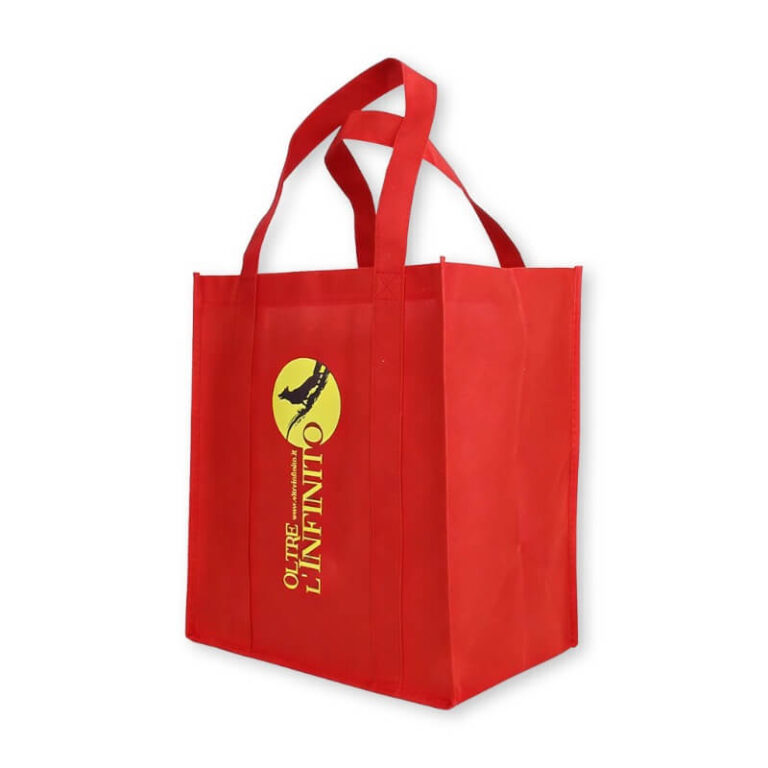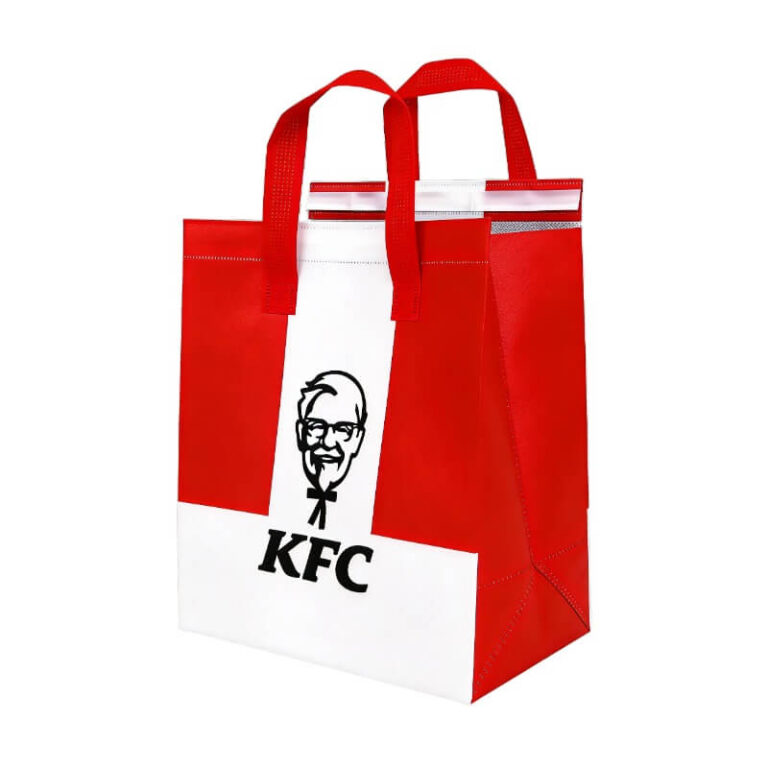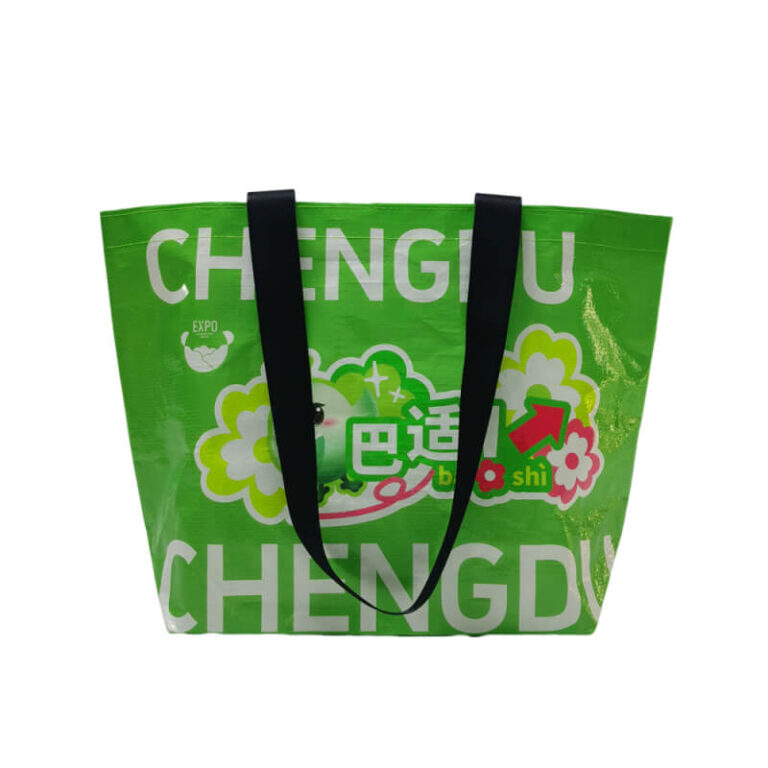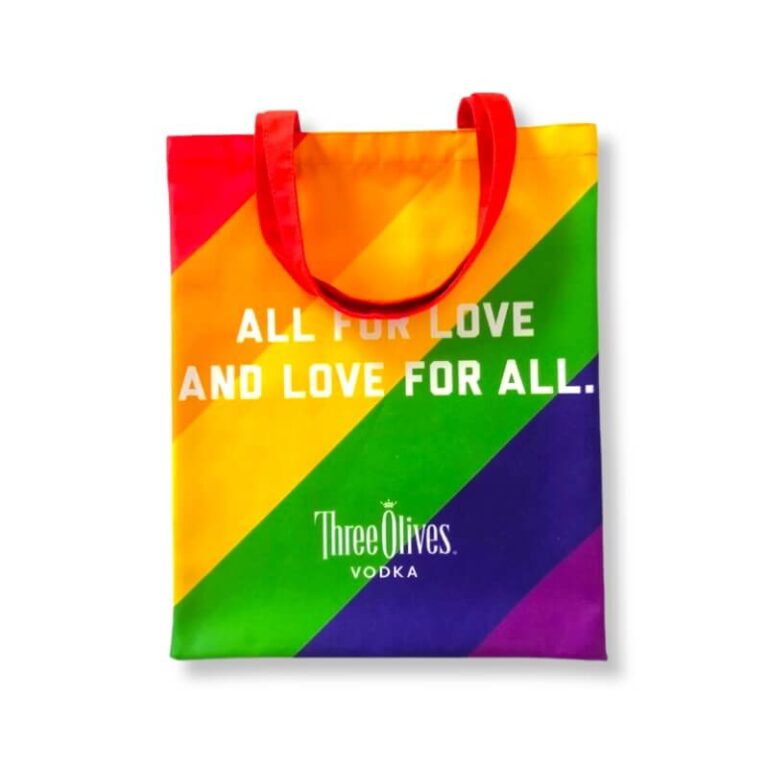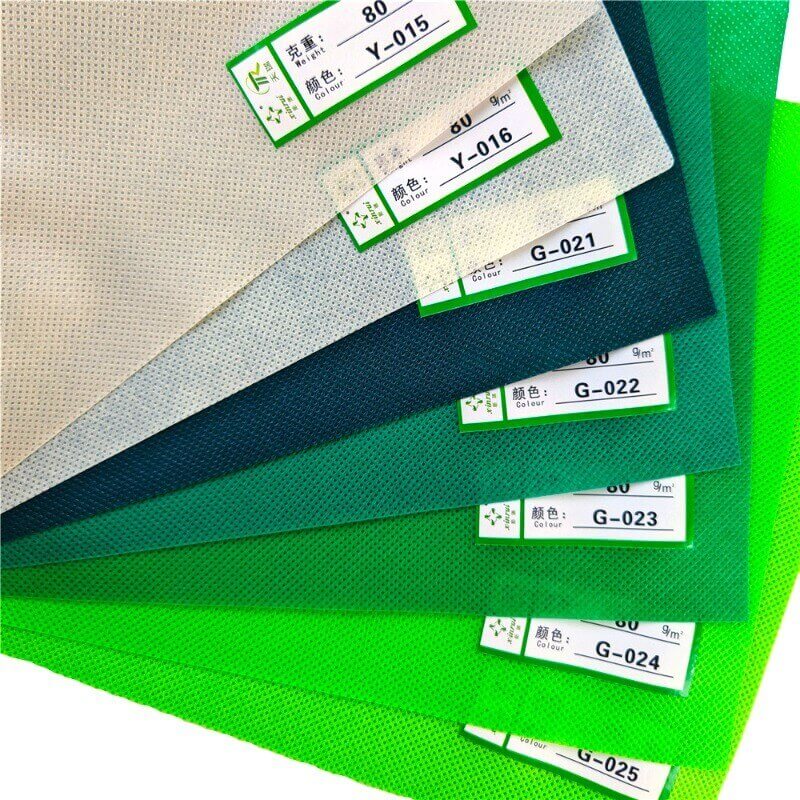
It’s the question we hear almost daily from thoughtful procurement managers and brand owners: “Is non-woven fabric eco friendly?” You see it everywhere—in reusable shopping totes, conference swag, and retail packaging—often marketed with green leaves or words like “eco” and “natural.” But the honest answer isn’t a simple yes or no. It’s a solid “it depends,” and understanding the nuances is crucial for making genuinely sustainable choices.
As a manufacturer deeply invested in material science, we believe transparency is key. The sustainability of any product, including non-woven bags, depends on its entire lifecycle: what it’s made from, how it’s used, and where it ends up. Let’s break down the facts behind this common fabric to help you navigate this complex question.
What Exactly Is Non-Woven Fabric?
First, clarity is important. “Non-woven” describes how the fabric is made, not what it’s made of. Unlike cotton or canvas, which are woven from spun yarn, non-woven fabric is created by bonding fibers together using heat, chemicals, or mechanical processes. For promotional bags, the most common material is polypropylene (PP), a type of plastic derived from fossil fuels. So, at its core, conventional non-woven fabric is a plastic product.
The Eco-Friendly Arguments (The “Pro” Side)
When compared to the worst alternatives, non-woven PP has legitimate green merits:
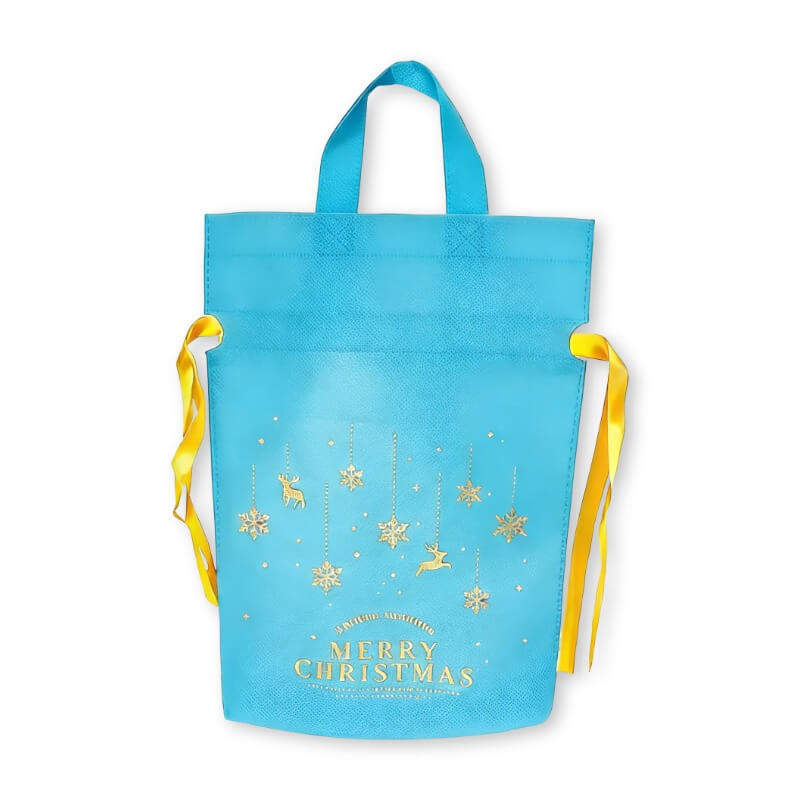
- Reusability is Its Superpower: Its primary environmental benefit comes from displacing single-use plastics. A well-made non-woven tote can be used dozens, even hundreds, of times. This repeated use drastically reduces waste compared to taking a new disposable bag every time you shop.
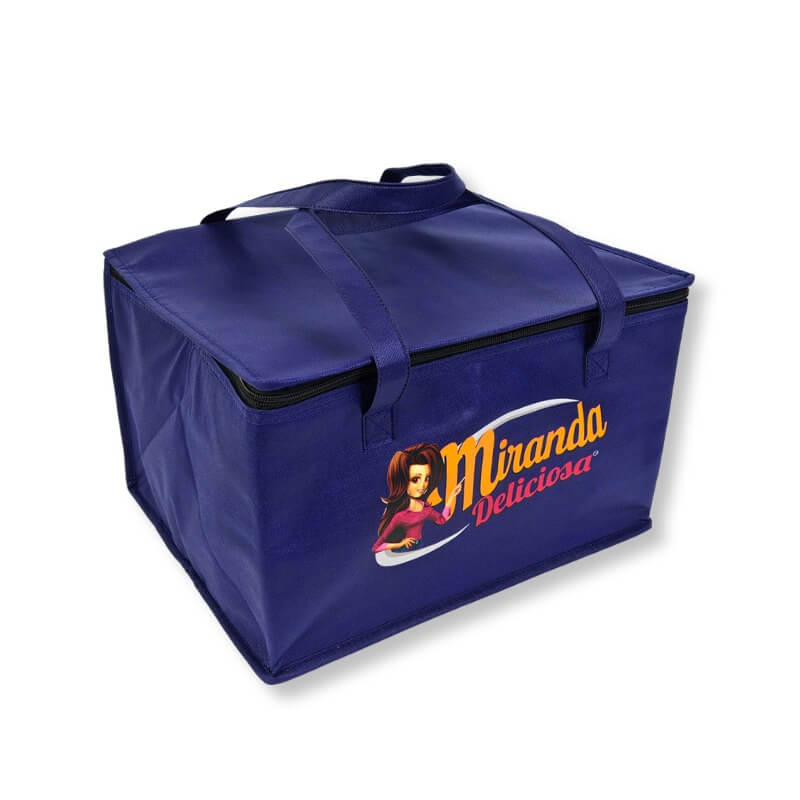
- Durability and Low Weight: It’s strong for its weight, meaning it can carry heavy loads without needing thick, resource-intensive material. Its lightweight nature also reduces carbon emissions during transportation compared to heavier alternatives.
- Resource Efficiency in Production: The spunbond manufacturing process is generally less water- and energy-intensive than processes for natural fibers like conventional cotton, which is notoriously thirsty and pesticide-heavy.
The Environmental Concerns (The “Con” Side)
However, calling it unconditionally “eco-friendly” overlooks significant issues:
- Fossil Fuel Origin: It starts as petroleum or natural gas. This means greenhouse gas emissions are embedded in its creation, and it supports the petrochemical industry.
- The Recycling Myth: This is the biggest hurdle. While polypropylene is technically recyclable (resin code #5), the reality is grim. Most municipal curbside recycling programs do not accept non-woven fabrics. The bags clog sorting machinery. Even when collected, the recycling infrastructure for this specific material is limited and inefficient. The sad truth is that the vast majority of non-woven bags end up in landfills, where they will persist for decades.
- Microplastic Potential: As these plastic-based fabrics slowly degrade in landfills or as litter, they can contribute to the growing problem of microplastic pollution.
So, Is Non-Woven Fabric Eco Friendly? The Verdict.
Compared to a single-use plastic bag, it’s a more responsible choice due to its reusability. Compared to a durable, long-lasting natural fiber bag used for years, its environmental profile is weaker due to its plastic origin and poor end-of-life prospects.
The sustainability of a non-woven bag, therefore, hinges on two critical factors:
- The Number of Reuses: It must be used many times to offset the impact of its production.
- Its Material Composition: Conventional virgin PP is the standard, but it’s not the only option.
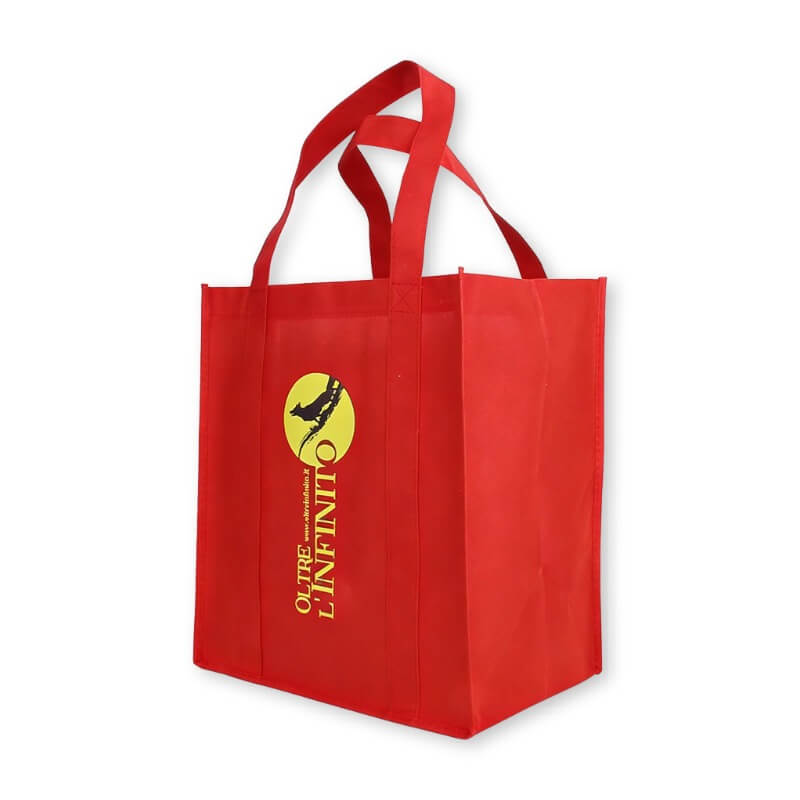

How to Source a Truly Greener Non-Woven Bag
If non-woven is the right practical choice for your project, you can make it more sustainable by specifying these options:
- Choose Recycled Content: Look for fabrics made from Post-Consumer Recycled (PCR) polypropylene, such as rPP. This gives a second life to existing plastic waste (like food containers) and reduces the need for virgin fossil fuels. Always ask your supplier for the percentage (e.g., 70% rPP).
- Demand Certifications: Trust, but verify. Credible, third-party certifications are your best guide.
- GRS (Global Recycled Standard): Certifies the chain of custody and percentage of recycled content.
- OEKO-TEX Standard 100: Ensures the fabric is tested for harmful substances.
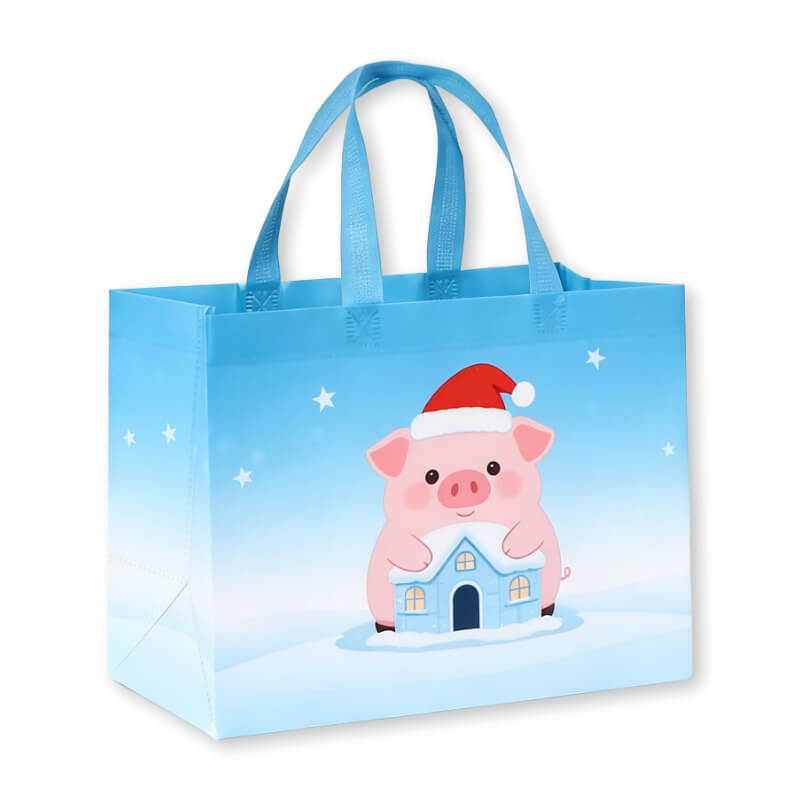
- Design for Longevity: Opt for a higher GSM (e.g., 120+) to ensure the bag doesn’t tear quickly. A durable bag that lasts for 100 uses is far greener than a flimsy one replaced after 10.
- Educate the End-User: Print a simple message on the bag: “Reuse Me! ♻️ At end of life, please check local guidelines for plastic film recycling.”
The Bottom Line: Informed Choices Matter
The question “is non woven fabric eco friendly” pushes us toward smarter sourcing. It’s not an inherently “green” material, but it can be part of a responsible strategy when chosen deliberately—prioritizing recycled content, durability, and clear communication.
As a factory committed to better practices, we offer both conventional and certified recycled non-woven fabrics. We help our clients understand these trade-offs and select the material that aligns with their true sustainability goals, not just greenwashed marketing.
Ready to explore certified recycled non-woven options for your next order? Contact us for material swatches, GRS documentation, and a quote that supports a more circular economy.